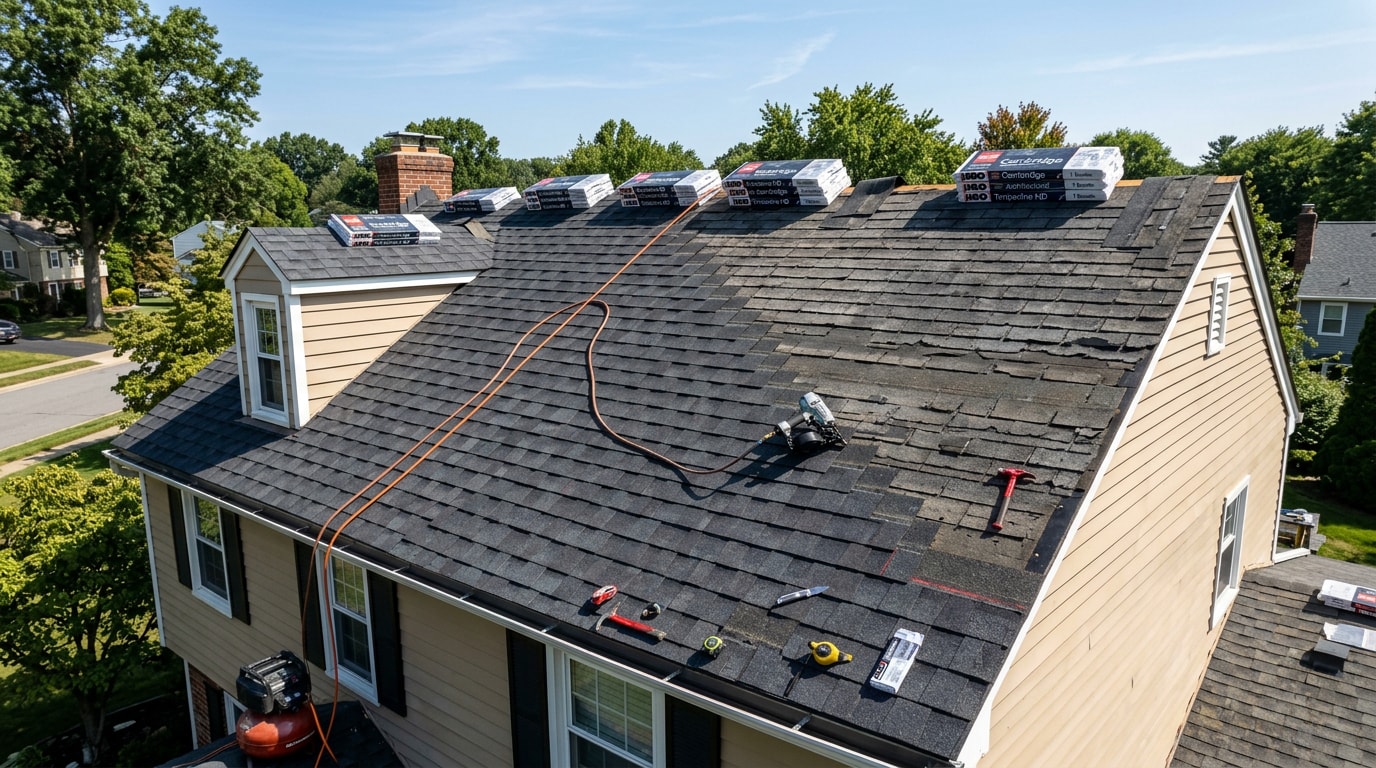
Yes, you can put shingles over shingles in some cases, but only if the roof has a single layer of asphalt shingles, the deck is sound, and local code allows it. This shortcut, known as a roof overlay, skips the tear-off step and can shave real money off a reroof. It's also the reason so many homeowners regret skipping a proper inspection first.
Visit Revitalize Roofing and Construction to see our services and request a free estimate.
Quick Answer: Can You Put Shingles Over Old Shingles?
An overlay is allowed when every one of these is true:
- The existing roof has asphalt shingles only (not wood shake, slate, clay, or metal).
- There's just one existing layer already on the deck.
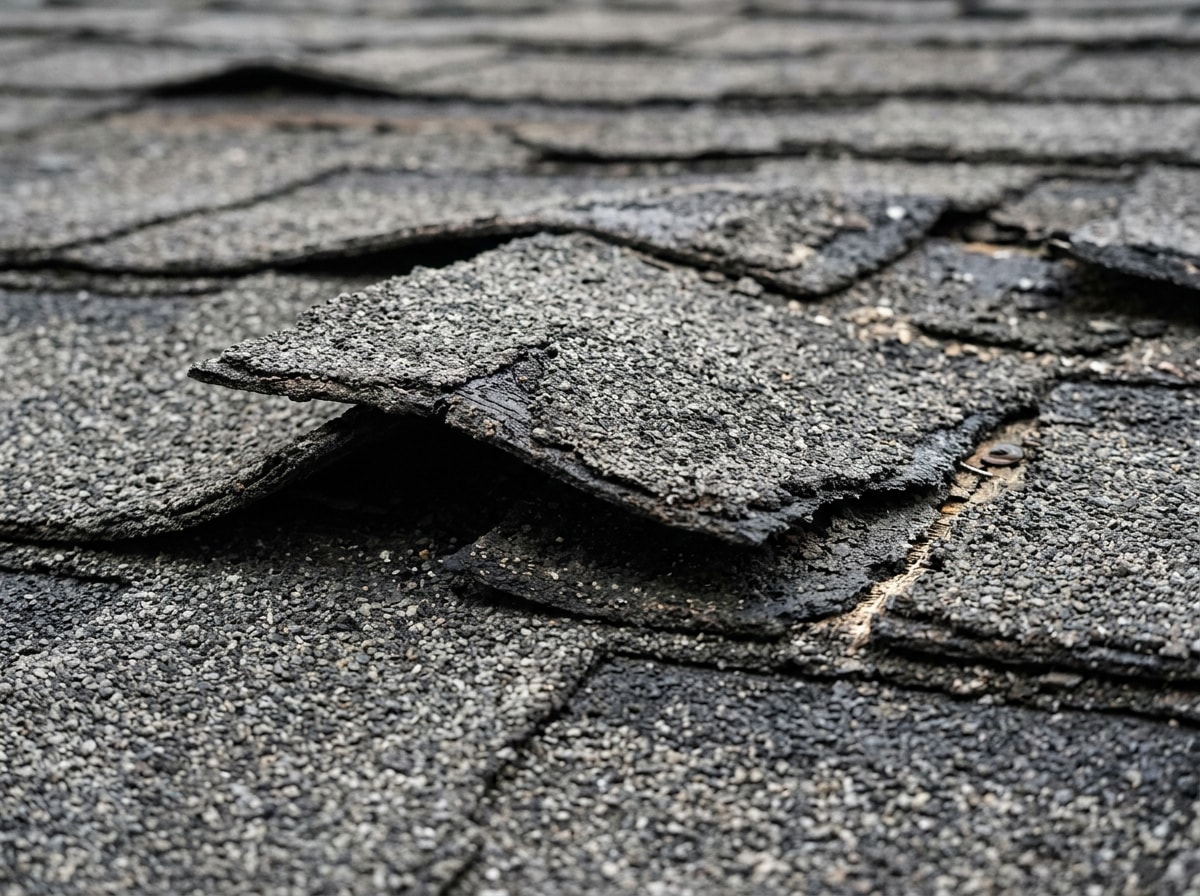
- The shingles lie flat, without major curling, cupping, or warping.
- The deck underneath shows no signs of rot, soft spots, or active leaks.
- Your local building department permits a recover under its adopted code.
Miss any one of these, and a full roof replacement is the only compliant path forward.
How Many Layers of Shingles Does Code Allow?
Most U.S. jurisdictions follow the same baseline rule: one new layer over one existing layer, never three layers total. A roof recover using asphalt shingles over an existing asphalt shingle roof is not allowed if there are two layers present already, under IRC R908.3.1.1 and IBC 1512.2.1.1. That means once a roof already carries two layers, a tear-off is mandatory before anything new goes down.
Layer count isn't the only trigger. The same code section blocks a recover outright under a few other conditions, regardless of how many layers exist. A water-soaked or deteriorated existing roof disqualifies the job immediately, and so does an existing covering like slate, clay, or asbestos-cement tile that isn't compatible with layering.
GAF's own technical guidance backs this up on the manufacturer side: there should only be one existing roof in place, since most local codes do not allow roofing over more than one roof for a total of two roofs on a residence.
Local building departments can and do adopt amendments stricter than the base IRC/IBC text, particularly in regions where added roof weight affects structural design loads. When a reroof adds dead load, code compliance reviews typically require confirming that structural components supporting the new roofing can handle the additional dead load before a permit is issued. The only way to know your jurisdiction's current rule is to call your local building department before you plan the project, not after a contractor shows up with shingles.
Is Your Roof a Good Candidate for an Overlay?
Code compliance is the first filter. Physical condition is the second, and it's the one most homeowners skip.
The existing roof should provide a smooth surface, which means removing all loose or protruding fasteners and nailing down any loose, curled, or lifted shingles before work starts. New shingles can't seal properly over a bumpy, uneven base, so curling or cupped shingles rule out an overlay even if the layer count is fine.
Deck condition matters just as much as surface condition, and it's harder to judge from the ground. NRCA does not recommend installing a re-cover roof system over a damaged or deteriorated roof deck, since a weakened deck's ability to hold fasteners and bear load is reduced. If your current roof is being replaced because of persistent leaking, an overlay buries that evidence instead of fixing it. A proper roof inspection is the only reliable way to check deck condition before committing either way.
Shingle Overlay vs. Full Tear-Off: Quick Comparison
| Factor | Shingle Overlay | Full Tear-Off |
|---|---|---|
| Deck inspection | Not possible, deck stays covered | Full visual inspection of sheathing |
| Install speed | Faster, no demolition step | Slower, requires removal and disposal |
| Added roof weight | Roughly doubles shingle dead load | No added weight from old layers |
| Manufacturer warranty | Often limited or voided | Full warranty typically available |
| Leak barrier placement | Can't be installed correctly at eaves/valleys | Properly installed at vulnerable points |
| Expected shingle lifespan | Shortened by trapped heat | Full expected lifespan |
| Resale/inspection impact | Can raise buyer or inspector concerns | No layering red flags |
Pros of Putting Shingles Over Shingles
- Lower labor cost since there's no tear-off or dumpster rental for old material.
- Faster timeline, often finishing a day or more sooner than a full tear-off.
- Less noise and debris around the property during the project.
Cons and Risks of Shingling Over Old Shingles
Warranty exposure is a real concern: many manufacturers limit or void coverage when shingles go over an existing layer instead of bare decking. That makes the upfront "savings" risky if a claim ever gets denied.
Weight is the other structural issue. Installing shingles over shingles effectively doubles the dead load pressing down on rafters and trusses. Older framing wasn't always designed with that extra margin in mind.
And once the new layer goes down, there's no going back to check what's underneath. Installing shingles over shingles eliminates the opportunity to inspect the roof deck underneath. Hidden rot or soft decking stays hidden until it fails. If you later sell the home, shingles stacked on shingles puts up a red flag to inspectors , which can slow negotiations or trigger repair requests.
Does an Overlay Shorten Shingle Lifespan?
Usually, yes. The second layer traps more heat, which can cause shingles to age faster. The U.S. Department of Energy's guidance on attic durability makes a related point about roofing systems generally: moisture is the number one enemy facing an attic, and it can enter from any direction and warp or damage the roof over time. An overlay doesn't cause that moisture risk by itself, but trapped heat between two shingle layers accelerates the granule loss and aging that shortens a shingle's useful life regardless of brand.
Does an Overlay Fix a Leaking Roof?
No. An overlay covers the visible surface, not the cause. If there's rot, compromised sheathing, or hidden moisture damage below the old shingles, a new layer buries the problem instead of resolving it. The leak, or the conditions that caused it, keep developing out of sight.
Architectural vs. 3-Tab: Does Direction Matter?
This is where most guides get vague, and the direction actually matters more than the shingle style itself. Nailing thicker architectural shingles over older, flat 3-tab shingles is pretty common because the flat base gives the new, thicker shingle a stable surface. Going the other way is the problem: if you try to nail flat 3-tab shingles over bumpy architectural ones, the top layer will warp, bend, and ultimately fail because the surface beneath it is too uneven. If you're not sure which type is currently on your roof, our guide on what are the best shingles for a roof breaks down how to tell architectural and 3-tab shingles apart.
When a Full Tear-Off Is the Smarter Move
A full tear-off gives the new roofing system a clean, flat surface and lets installers place leak barriers correctly at eaves, valleys, and penetrations, something that's nearly impossible to do right over an existing layer. It's also the only way to inspect and replace damaged sheathing before it becomes a bigger structural problem.
If your roof already has two layers, shows any curling or water damage, or you're not 100% sure what's underneath, don't guess. A licensed roof repair or replacement estimate will tell you which option actually applies to your house.
A Note From the Field
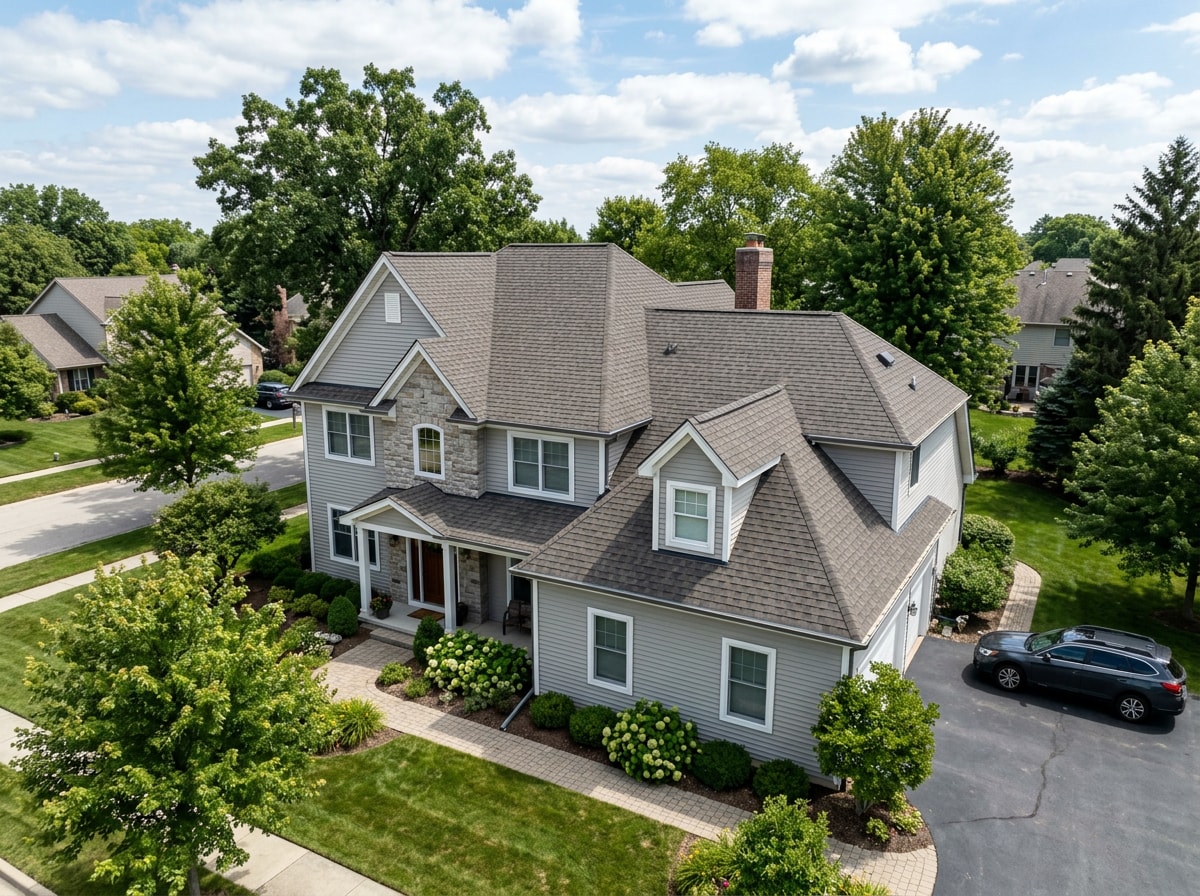
We've walked more than a few Dallas-Fort Worth roofs where a homeowner wanted an overlay to save money, only to find the "single layer" was actually two once we pulled a test section near the ridge. Texas heat is unforgiving on trapped layers specifically, since attic and roof-deck temperatures here run higher for longer stretches than in milder climates, which speeds up the granule loss an overlay already causes. If you're weighing this decision in Dallas or anywhere in North Texas, that heat factor alone is worth a second opinion before signing off on a layover.
For a deeper look at code citations, cost ranges, and risk scenarios by roof type, our complete code, cost, and risk breakdown covers the numbers in more detail than we can fit here. And if you're planning a full reroof instead of an overlay, how to lay architectural shingles walks through the proper tear-off installation process step by step.
Not sure which option fits your roof? Get a free estimate from a local crew who will check layer count, deck condition, and code before recommending anything.
FAQ
Is it OK to put new shingles over old shingles?
It's acceptable only in limited cases: one existing layer of asphalt shingles, a sound deck, flat (not curling) shingles, and local code approval. Outside those conditions, a full tear-off is the safer, longer-lasting choice.
How many layers of shingles can you put on a roof?
Two, total. Code does not allow a new asphalt shingle recover if there are two layers present already , so one new layer over one existing layer is the maximum before a tear-off becomes mandatory.
Does shingling over shingles void the warranty?
It can. Many manufacturers limit or void coverage when shingles go over an existing layer instead of bare decking. Check your specific shingle brand's installation instructions before moving forward, since terms vary by manufacturer.
Can you shingle over architectural (dimensional) shingles?
Going from architectural to a new overlay is where it gets risky. Thicker, uneven architectural shingles don't give a new flat layer a stable surface, and most roofers recommend a tear-off instead. The reverse, installing new architectural shingles over old 3-tab shingles, is a more common and generally more workable combination.
Does a roof overlay fix underlying leaks?
No. An overlay is a surface-level fix. It doesn't expose or repair whatever caused the original leak, so rot or hidden moisture damage stays in place under the new layer.
Is shingling over shingles cheaper than a full tear-off?
Usually, up front. You skip tear-off labor and disposal fees. But if deck damage shows up later because it was never inspected, those repair costs can erase the initial savings and then some.