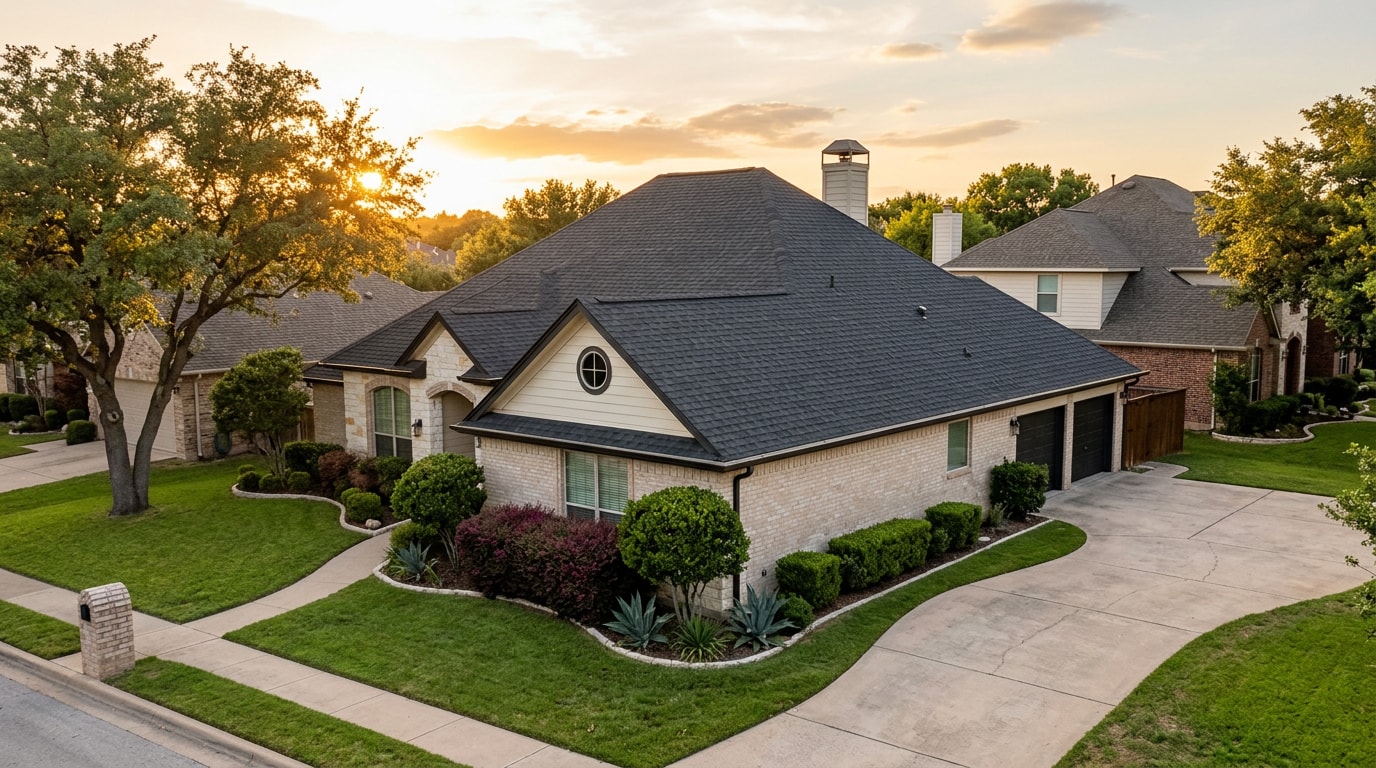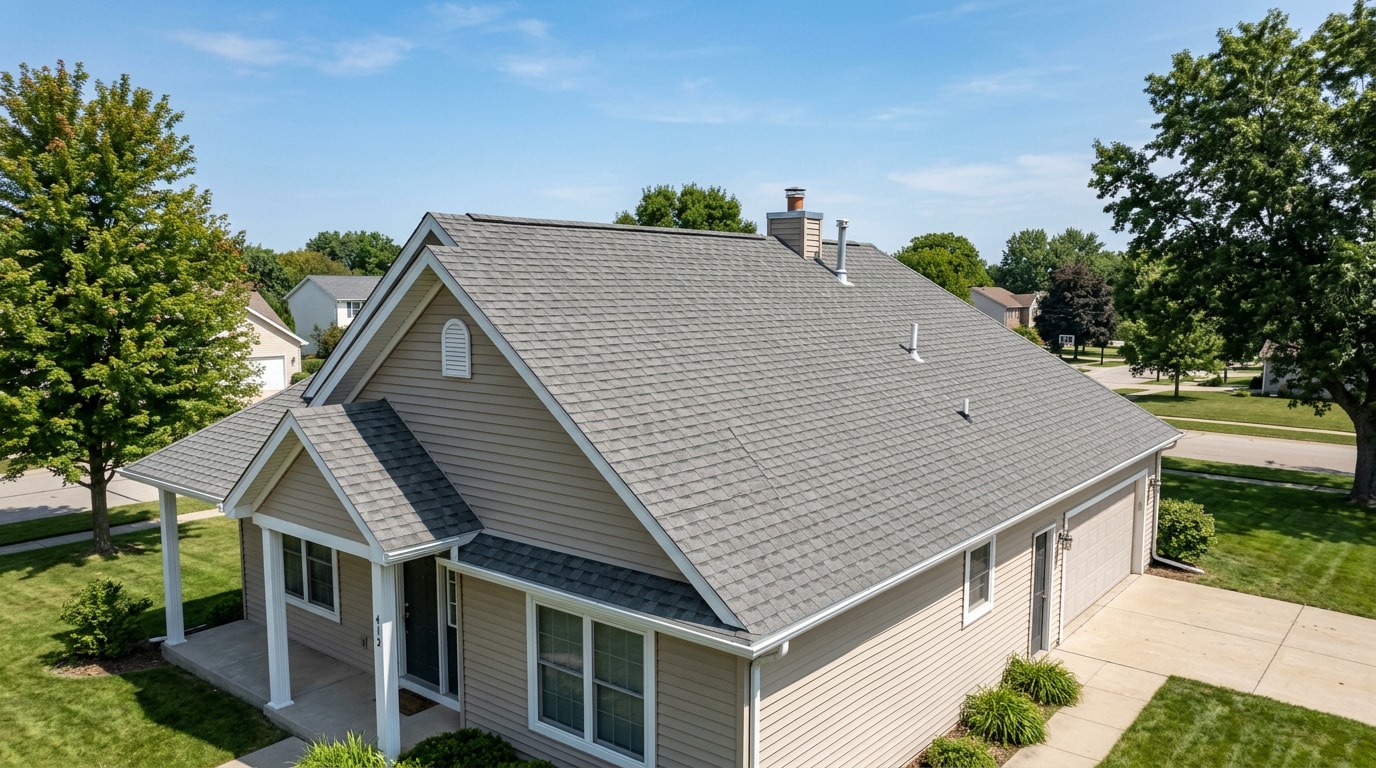
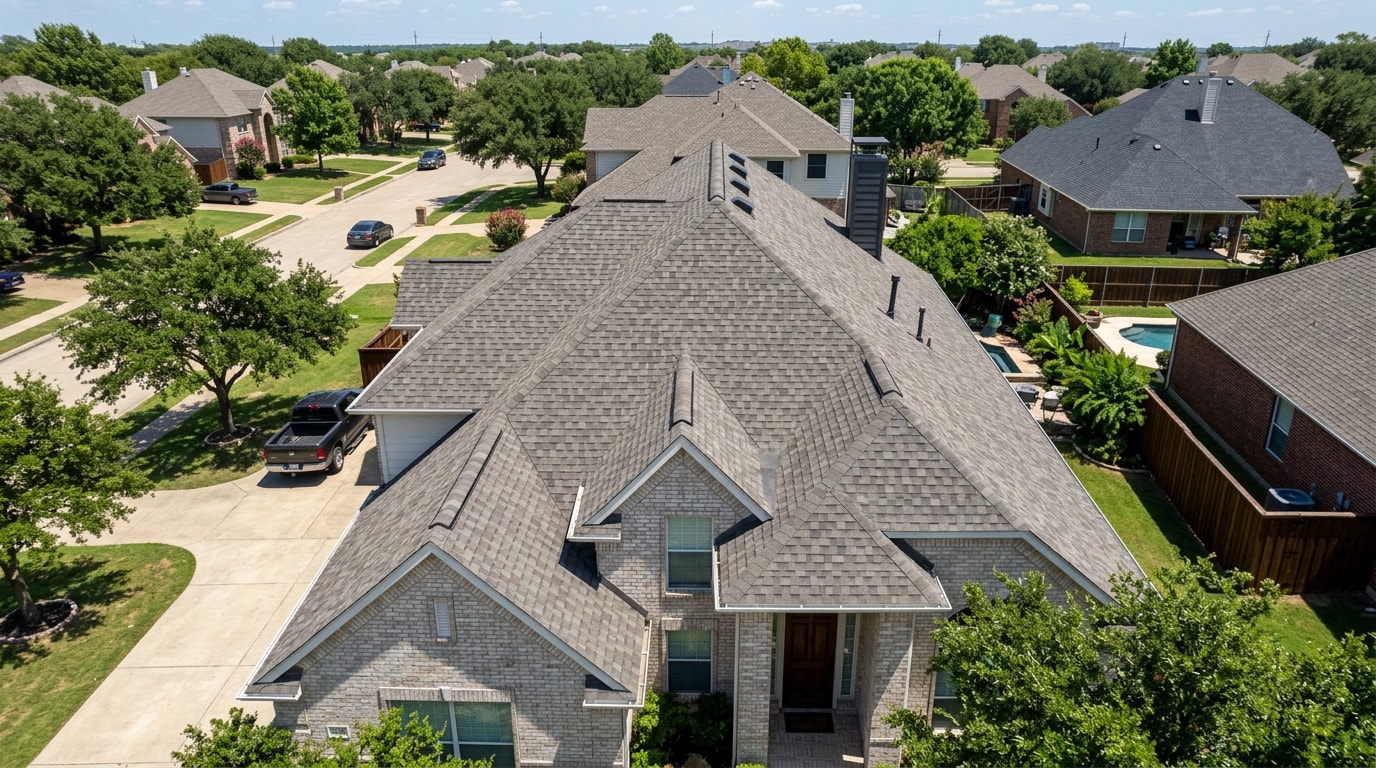
What are the best shingles for a roof? For most homes, it's architectural asphalt shingles from GAF, Owens Corning, or CertainTeed, though the right pick still depends on your climate, budget, and how long you plan to own the home. This guide ranks the top shingle types and brands side by side so you can compare quotes with confidence instead of guessing.
Quick Answer
Architectural (dimensional) asphalt shingles are the best fit for most homeowners because they balance cost, a 30 to 40 year lifespan, and strong wind performance. GAF Timberline HDZ, Owens Corning Duration, and CertainTeed Landmark lead the category, while metal and synthetic slate are worth the premium if you plan to stay in the home for decades. Hail-prone regions should prioritize a Class 4 impact-rated line over brand name alone.
Key Takeaways
- GAF, Owens Corning, and CertainTeed are the three most frequently installed architectural shingle brands in North America, each with a lifetime limited warranty.
- Architectural shingles offer the best balance of cost, durability, and curb appeal for most homes.
- Climate matters as much as brand. Wind, hail, snow load, and humidity should all factor into your decision.
- GAF's WindProven warranty is the only widely available residential shingle warranty with no maximum wind speed, but only when installed as a full GAF accessory system.
- Expect to pay more upfront for metal or slate, but both deliver a long lifespan with less maintenance.
Best Roofing Shingles by Type
Shingle type drives lifespan, cost, and climate suitability more than brand alone does. Asphalt, architectural, metal, and slate shingles each serve a different budget and durability tier, and the right option often comes down to how long you plan to stay in the home.
Asphalt Shingles
Asphalt shingles are the most common roofing material in the U.S. because they're affordable, easy to install, and available in nearly every style. They typically last between 15 and 30 years and provide reliable protection when installed correctly.
Within this category, there's a meaningful split between 3-tab and architectural shingles. 3-tab shingles are flatter, lighter, and the most budget-friendly option. Architectural shingles cost more but offer better durability and a dimensional look, a trade-off covered in more detail below.
Architectural (Dimensional) Shingles
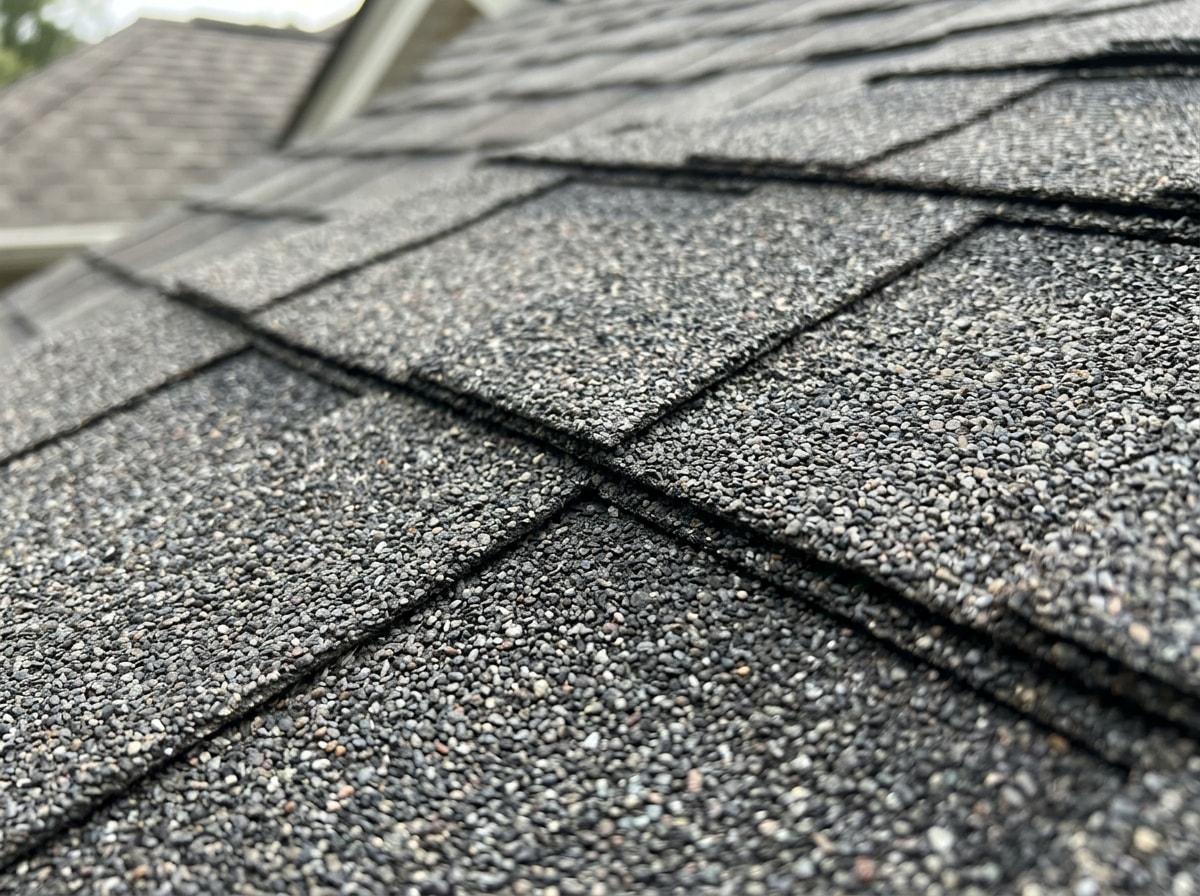
Architectural shingles use a multi-layer construction that's thicker and heavier than standard 3-tab shingles. That extra material is why they're often considered the best long-term value, with lifespans reaching 30 to 40 years.
The layered design also improves wind resistance, since the added weight and adhesive surface area help shingles stay locked down in gusty conditions. Most manufacturers market their premium asphalt lines under this dimensional category, which is where most brand competition actually happens.
Metal Roofing Shingles
Metal roofing shingles are known for durability and energy efficiency. They cost more upfront, but they often last 40 to 70 years with minimal maintenance, which can offset the price difference over time. If you're weighing metal against asphalt directly, our breakdown of whether metal roofs actually leak more than shingles covers the maintenance trade-offs in more depth.
Reflective metal finishes qualify many products as a cool roof option. A cool roof can reduce air conditioning costs inside a building on a hot day and even cool down the air around the building, helping to reduce the heat island effect in your neighborhood. That's worth factoring in if your summer energy bills run high, particularly for homes in Frisco or McKinney where attic temperatures climb fast.
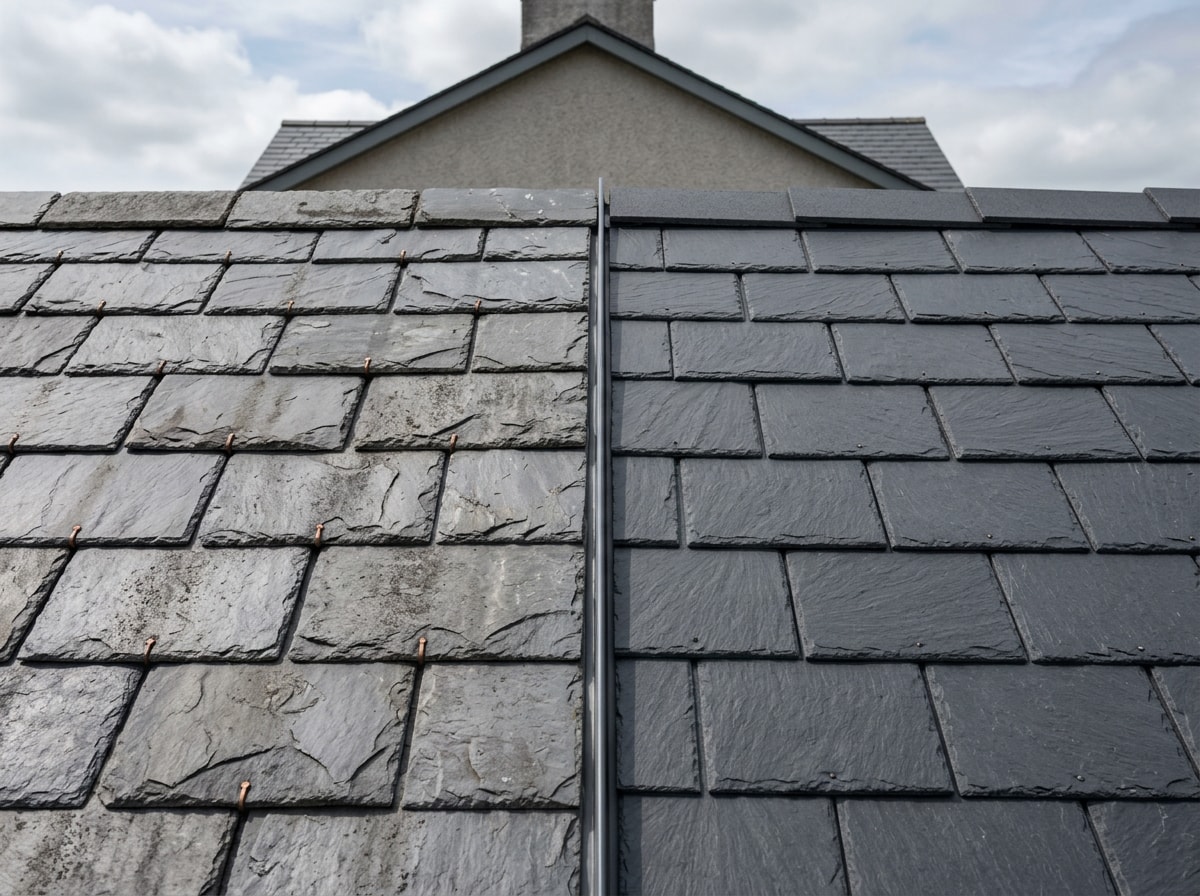
Slate and Synthetic Slate Shingles
Natural slate is one of the most durable roofing materials available, often lasting 50 years or more with proper installation. That lifespan comes at a premium price, and natural slate is heavy enough to require reinforced roof framing in some homes.
Synthetic slate shingles solve both problems. They're made from engineered polymers that mimic the look of natural slate at a fraction of the weight and cost, making the aesthetic accessible without the structural demands.
Top Shingle Brands Compared
Shingle type only tells half the story. Manufacturers now compete heavily on wind rating, nailing surface design, impact resistance, and warranty terms, and rankings shift depending on what a roofer prioritizes.
| Brand | Known For | Flagship Line | Wind Rating | Best For |
|---|---|---|---|---|
| GAF | Widest lineup, uncapped wind option | Timberline HDZ | 130 mph (no max with full WindProven system) | Value plus top-tier wind warranty |
| Owens Corning | SureNail woven nailing strip | Duration | 130 mph | Forgiving installs, consistent seal |
| CertainTeed | Color depth, Class 4 impact line | Landmark / NorthGate ClimateFlex | 110 to 130 mph | Curb appeal, hail-prone areas |
| Malarkey | SBS-modified, Class 4 impact | Legacy / Vista | 110 to 130 mph | Hail regions, eco-conscious buyers |
| Atlas | Algae protection | Pinnacle Pristine / StormMaster | Up to 150 mph | Humid and coastal climates |
GAF: Widest Lineup With a Wind Warranty Edge
GAF dominates the North American roofing market with arguably the most comprehensive product line of any manufacturer. Its Timberline HDZ series uses LayerLock technology and a StrikeZone nailing area built for high wind performance. GAF Timberline HDZ, when installed with a complete GAF accessory system by a GAF Master Elite contractor, qualifies for the WindProven warranty with no maximum wind speed limit.
Most GAF shingles also include StainGuard Plus Algae Protection, an industry-leading 25-year limited warranty against algae discoloration , and pricing sits in the mid-range tier. For homeowners who want wide style selection paired with the strongest wind warranty ceiling on the market, GAF Timberline HDZ remains one of the most frequently installed options nationwide.
Owens Corning: Consistent Seal, Forgiving Installation
Owens Corning takes a different approach to the nailing zone than GAF or CertainTeed. Its Duration line features SureNail Technology, a woven fabric strip in the nailing area that the manufacturer rates at 130 MPH wind resistance when installed per specifications. That woven fabric gives nails something more substantial to grip than bare asphalt, which is part of why installers describe the shingle as forgiving when a nail lands slightly outside the ideal zone.
Warranty coverage backs that up. The first 10 years of the Limited Lifetime Warranty fall under Owens Corning's TRU PROtection Period, meaning that all of the repair costs, including materials and labor, are covered. That's a strong starting position compared to warranties that begin prorating immediately. You can talk to a licensed roofing contractor to see which Owens Corning or GAF lines are stocked locally and priced for your roof.
CertainTeed, Malarkey, and Atlas: The Hail and Color Specialists
CertainTeed's Landmark line leans into color depth and shadow lines, and its NorthGate ClimateFlex sits at the top of the impact-resistance conversation. So does Malarkey. CertainTeed's NorthGate ClimateFlex and Malarkey's shingles lead with a Class 4 rating, the highest available, surviving strikes from steel balls the size of 2-inch hailstones without cracking.
Malarkey's SBS-modified design helps prevent cracking through repeated temperature swings, which matters as much as the initial impact rating in a hail-prone area.
Atlas takes a different lane entirely. Atlas Pinnacle Pristine's Scotchgard protection effectively combats algae growth in humid climates , which makes it a common pick for homes with heavy tree cover or year-round humidity.
What to Look for When Comparing Asphalt Shingles
Two physical features separate a genuinely durable asphalt shingle from one that just looks similar on a sample board: the nailing zone and the seal-down strip. The International Building Code and International Residential Code require asphalt shingles with factory-applied, self-sealing strips be classified for wind resistance using ASTM D7158 , so this isn't marketing language, it's a code-referenced test.
The Nailing Zone
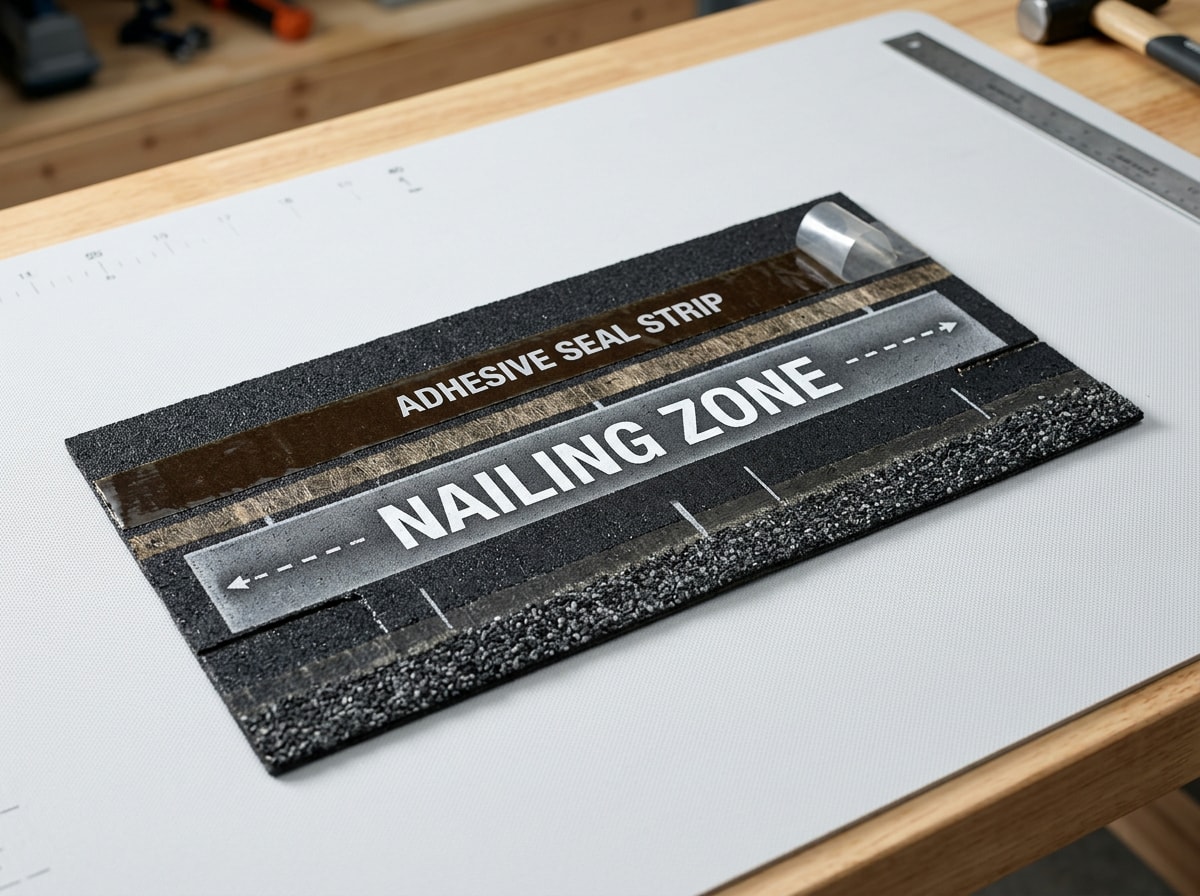
The nailing zone is the reinforced strip on a shingle where roofing nails are meant to be driven. Its design affects how consistently a crew can hit the target area and how well the shingle resists nails pulling through during storms.
ASTM D7158 addresses the wind resistance of asphalt shingles with factory-applied, self-sealing strips, and classifies shingles as Class D, Class G, or Class H , corresponding to increasing basic wind speeds. When a contractor references a shingle's wind class, this is the standard behind that number, not a brand's own marketing claim.
The Seal-Down Strip
The seal-down strip is a band of adhesive that bonds each shingle to the one below it once heat activates the material. All major manufacturers include one, but formulation quality and the amount of adhesive applied vary.
A stronger sealant bond resists wind uplift better and holds up longer under repeated freeze-thaw cycles. This is part of why two shingles that look nearly identical on a shelf can perform very differently after a decade on a roof.
Climate-Based Selection Guide for Roofing Shingles
There isn't one universal answer to what are the best shingles for a roof, because regional weather changes the equation substantially. Hail-prone areas, coastal humidity, heavy snow load, and intense summer heat each favor different shingle properties.
Best Shingles for Cold and Snowy Regions
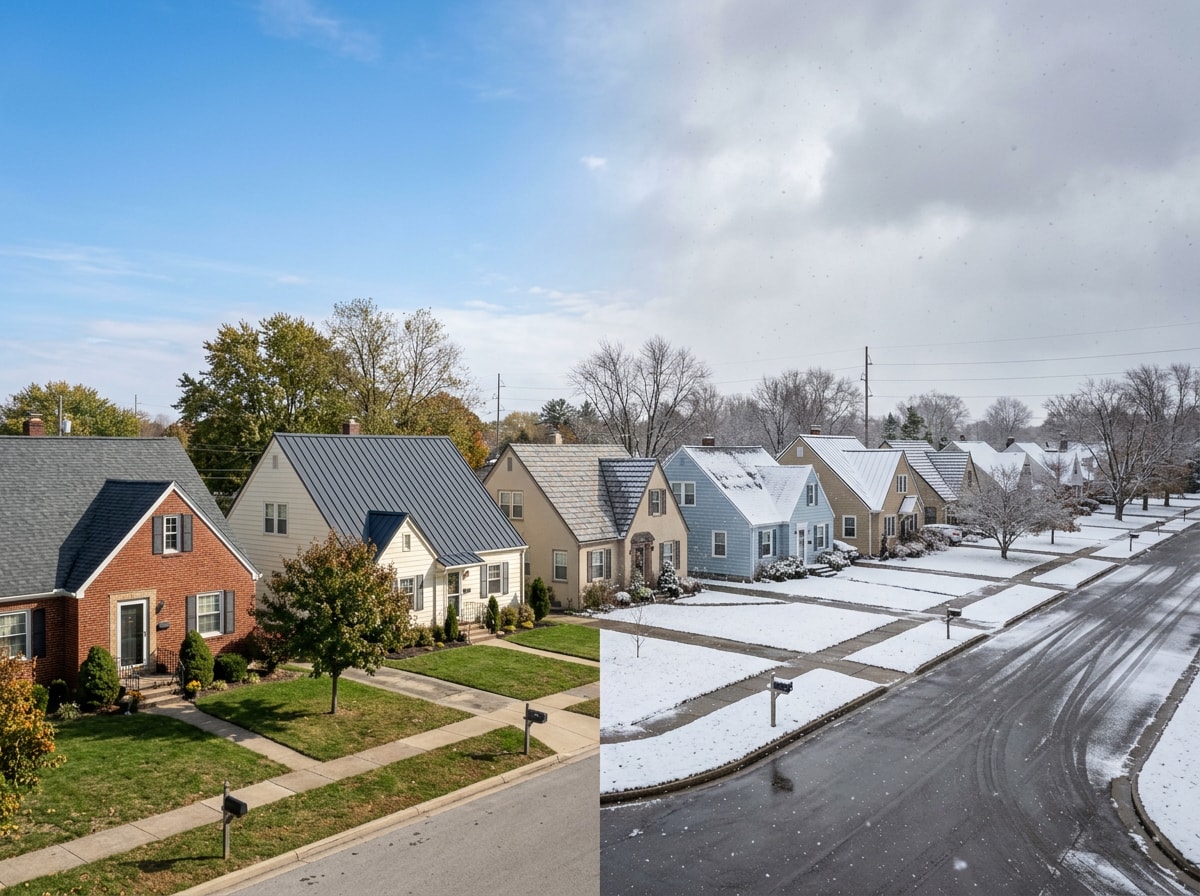
Cold climates need shingles built to withstand repeated freeze-thaw cycles and the weight of accumulated snow. Asphalt shingles with a strong adhesive seal strip, along with metal roofing that sheds snow easily, both perform well in these conditions. Freeze-thaw cycling can crack a weaker shingle over a single winter if the sealant bond isn't rated for the temperature swing.
Best Shingles for Hail and High-Wind Regions
North Texas sees both. Years of research by the Insurance Institute for Business & Home Safety show many impact-resistant shingles do not perform as expected in real-world storms, which led IBHS to develop a comprehensive impact-resistance test that rates shingles from Poor to Excellent rather than a simple pass or fail. If hail is a real risk on your street, ask your contractor which line carries a Good or Excellent IBHS rating, not just a Class 4 label. Our guide to what a Class 4 roof actually is breaks down how that rating is tested and when it's worth the upgrade.
Best Shingles for Hot, Sunny Climates
Lighter-colored, reflective shingles reduce peak cooling demand in hot climates, which matters across our Dallas-Fort Worth service area through the summer months. Darker shingles still perform structurally, but a cool-roof granule finish is worth the modest upcharge if your cooling bills run high from June through September.
Roofing Shingle Cost Comparison
Price per square (100 square feet of roofing) varies significantly by shingle type, and maintenance demands scale with it too.
| Shingle Type | Cost per Square (Installed) | Maintenance Level |
|---|---|---|
| 3-tab asphalt | $90 to $160 | Low to moderate |
| Architectural asphalt | $120 to $220 | Low |
| Metal shingles | $300 to $600 | Very low |
| Natural slate | $800 to $1,800+ | Low (specialist repairs) |
| Synthetic slate | $350 to $600 | Low |
Costs shift based on region, roof pitch, and local labor rates, so treat these as planning ranges rather than fixed quotes. If you're ready for exact numbers, you can schedule a free roof replacement estimate based on your home's actual dimensions, or start with a roof inspection if you're not sure your current shingles need full replacement yet.
In our crews' experience inspecting storm-damaged roofs across Frisco, Plano, and Allen, a worn seal strip, not a full brand failure, is the single most common reason a shingle roof develops blow-offs years before its rated lifespan ends. That's a maintenance and installation issue as much as a brand issue, which is why the nailing zone and seal strip sections above matter as much as the brand table.
Ready to compare options for your own roof? Get a free estimate from our team, and we'll walk you through which shingle line fits your home's exposure, budget, and HOA requirements.
FAQ
What is the best asphalt shingle brand?
GAF, Owens Corning, and CertainTeed are the three most consistently recommended brands, and each wins on a different priority: GAF for its uncapped wind warranty option, Owens Corning for a forgiving nailing-zone design, and CertainTeed for color depth and Class 4 hail resistance. "Best" still depends on your climate and budget.
Is GAF or Owens Corning better?
Both carry 130 mph wind ratings and lifetime limited warranties on comparable architectural lines. GAF's WindProven option removes the wind-speed cap entirely when a full GAF system is installed, while Owens Corning's SureNail strip is often described as more forgiving during installation. Neither is objectively better across every category.
Which shingle brand is best for hail and high-wind areas?
Look for a Class 4 impact rating first, then check whether the specific product has a Good or Excellent score on the IBHS Impact-Resistant Shingle Ratings, since that test is more realistic than the base UL 2218 Class 4 standard alone. CertainTeed NorthGate ClimateFlex and Malarkey Legacy or Vista are frequently cited Class 4 options.
What grade of roof shingles is best?
Grade generally falls into three tiers: 3-tab, architectural, and premium or luxury shingles. For most homes, architectural grade offers the best balance of cost and durability. See the Types section above for a full breakdown of each tier.
How long do shingle roofs last?
Lifespan varies by type: 3-tab shingles typically last 15 to 20 years, architectural shingles 20 to 30 or more years, and premium options like metal or slate often exceed 40 years. A licensed roofing contractor can give you a more precise estimate based on your climate and roof design.
Do lighter-colored shingles really lower cooling costs?
Yes, to a meaningful degree in hot climates. Reflective, lighter-colored granules reduce the amount of heat transferred into the attic, which lowers peak air conditioning demand on the hottest days. The savings are smaller in homes with well-insulated attics, but they're measurable in most North Texas homes.
Project Revitalize's licensed roofing crews serve Frisco, Dallas, McKinney, and the surrounding Dallas-Fort Worth area. Visit our homepage to see our full range of roofing and remodeling services, or contact us directly to get a shingle recommendation specific to your roof.