Finding the best roofing company means more than picking the first name that pops up online. It means checking licenses, insurance, and real local history before a crew ever touches your roof. Here's exactly what separates a dependable roofer from a risky bet, and how to check it in a single afternoon.
Start With Local Research and Referrals
Building a shortlist starts before you pick up the phone. It begins with local search, word-of-mouth referrals, and a close look at how a company presents itself online.
Search for a local roofing contractor rather than relying only on national lead-generation sites. Those sites often resell your contact information to several contractors at once.
Ask neighbors, friends, or family who've had recent roof work done for a referral. A firsthand account carries more weight than any advertisement. Then check online reviews and the company's website before you call.
A roofer that's actually based in your region typically understands local wind and hail loads and building code requirements better than an out-of-area crew passing through. Our guide to finding the best roofing company near you walks through exactly what to check on a company's site before you contact them.
Verify Licensing, Insurance, and Manufacturer Certification
Before any contractor sets foot on your roof, confirm they're properly licensed and insured. Many states and cities legally require roofing contractors to hold a specific license, and checking it is usually a quick search through a public licensing database.
Beyond licensing, ask for proof of two separate policies.
- General liability insurance protects your property if something is damaged during the job.
- Workers' compensation covers medical costs if a worker is injured on-site.
If a crew is uninsured, that financial and legal risk shifts to you. An injured worker without coverage could pursue a claim against your homeowner's policy. Property damage caused by an uninsured contractor may leave you paying out of pocket. The National Roofing Contractors Association publishes free guides on selecting a contractor that are worth a quick read before you sign anything.
Manufacturer certification is another meaningful signal, but it helps to know what it actually verifies. GAF, one of the largest shingle manufacturers in North America, reserves its top Master Elite tier for a small share of contractors who meet licensing, insurance, and ongoing training requirements, and you can check GAF's own certification criteria to see exactly what the badge confirms. That process verifies installation technique and product knowledge. It does not guarantee pricing or customer service, so treat certification as one factor among several, not the whole decision.
Confirm Real Experience and a Local Track Record
Experience matters because it's often the clearest sign a company can handle the unexpected: rotted decking, an odd flashing detail, or a code update nobody warned you about.
In our years inspecting roofs across the Dallas-Fort Worth area, the pattern is consistent. Homes that skip a full attic and decking check after a hailstorm are the ones that come back with a hidden leak eighteen months later. A roofer with real roof inspection experience in your specific area, whether that's Frisco, Plano, or Dallas, knows what that area's storms typically do to a roof deck.
A strong roofer tells you honestly whether your situation calls for a simple roof repair, a partial restoration, or a full roof replacement, based on what the inspection shows. Not whichever option costs the most.
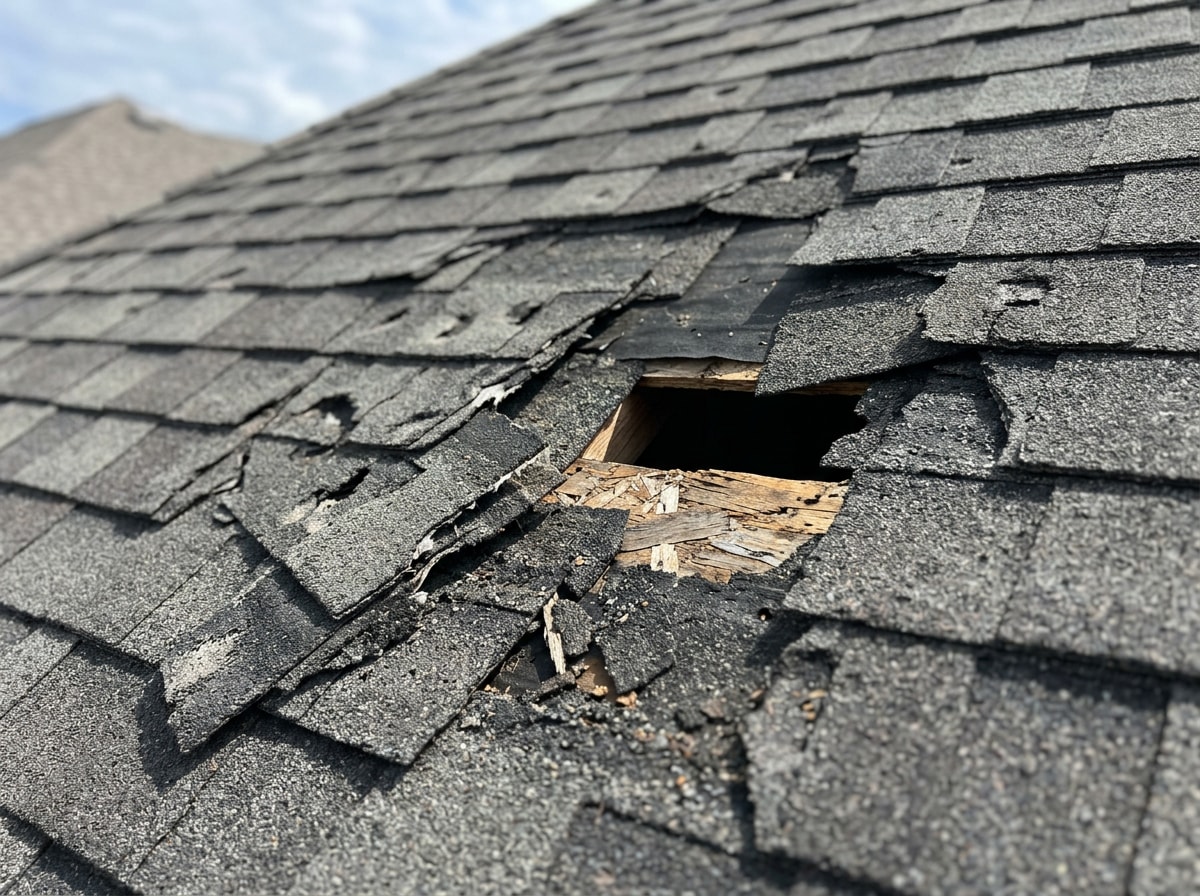
That assessment should follow a thorough inspection, with clear photos documenting what the crew found and why they're recommending a specific course of action. If a contractor pushes full replacement before ever inspecting the roof in person, treat that as a caution sign.
Watch for Storm-Chaser Red Flags
After a hailstorm or major wind event, legitimate roofers aren't the only ones knocking on doors. The FTC warns that scammers follow severe weather and specifically flags contractors who claim licensing isn't required, push same-day signatures with a discount attached, or demand payment by wire transfer, gift card, or cash.
A few habits separate a reputable contractor from a storm chaser:
- They have a permanent local address, not just a truck and a phone number.
- They never ask you to sign over your insurance check or an Assignment of Benefits form.
- They give you time to review the contract instead of pressuring a same-visit signature.
- They let your insurance adjuster, not the contractor, make the first call to your carrier.
If storm damage is involved, a roofer who also offers insurance claim assistance and documented storm damage roof repair can make the claims process far less confusing, but that help should never come with pressure to sign on the spot.
Compare Written Quotes Side-by-Side
Get at least two to three written quotes before signing anything, and compare more than the bottom-line price. A detailed estimate should spell out materials, labor, timeline, cleanup, and warranty terms.
Both extremes deserve scrutiny. A rock-bottom bid often means corners get cut somewhere. The priciest quote doesn't automatically mean the best workmanship.
| What to Check | Lowball Quote (Red Flag) | Fair, Detailed Quote |
|---|---|---|
| Materials | Vague, just says "shingles" | Brand, type, and quantity specified |
| Labor & cleanup | Often left out entirely | Clearly itemized |
| Permits | Not mentioned | Included and explained |
| Warranty | Missing or verbal only | Written, with terms spelled out |
Use this comparison as a starting point. It's one of the clearest ways to find the best roofing company for your project, rather than just the cheapest one. Request a free estimate from any company you're seriously considering before you decide.
Evaluate Communication and Customer Service
How a company communicates during the quote process previews how the entire project will go. Notice how quickly they respond. Notice whether they answer questions clearly instead of dodging them. Notice whether they'll put commitments in writing.
Strong communication and responsive service early on tend to carry through to the job itself. The opposite holds true too.
Compare Roofing Materials and Energy Efficiency
A capable contractor should offer more than one roofing material and explain the tradeoffs clearly.
- Asphalt shingles remain the most common choice for cost and availability.
- Metal roofing offers a longer lifespan and better performance in extreme weather.
- Tile and specialty materials suit specific architectural styles and climates.
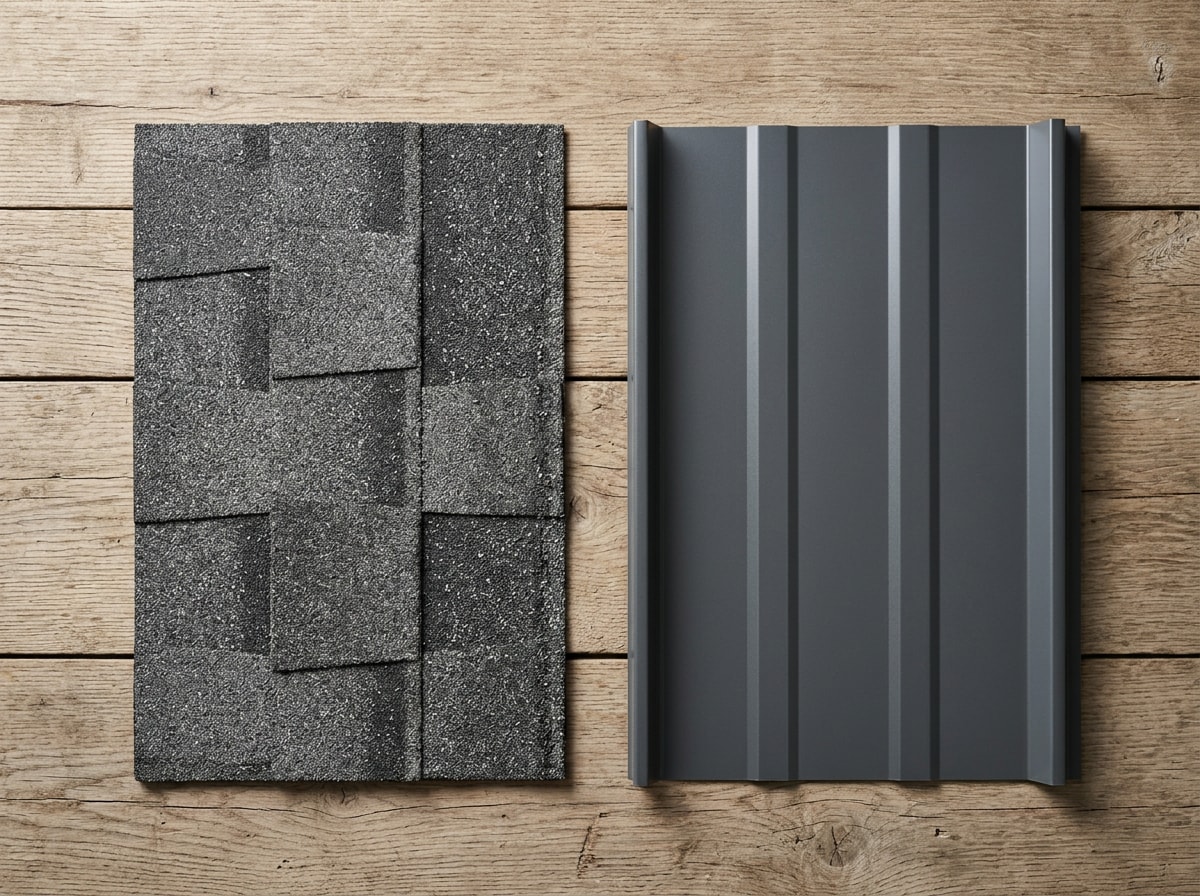
Ask about the manufacturer warranty tied to whatever product you choose, since coverage terms vary between manufacturers. Energy efficiency is also worth discussing. Some materials and coatings qualify under ENERGY STAR's cool roof program, which can translate into lower cooling costs depending on your climate and roof slope.
Confirm Warranty Coverage in Writing
Two separate warranties matter here, and it's worth keeping them straight.
The manufacturer warranty covers defects in the roofing materials themselves. The contractor's workmanship warranty covers the quality of installation, and installation, more often than materials, is where problems actually show up.
A strong workmanship warranty typically covers leaks and installation errors for several years and spells out exactly what's included in writing. A weak one is vague, short, or exists only as a verbal promise. Before signing, ask to see the warranty terms in writing, not just hear about them.
Quick Checklist: Choosing the Best Roofing Company With Confidence
Pulling it together, the process comes down to a short checklist:
- Research local options and ask for referrals.
- Verify licensing and insurance directly, not just by taking the contractor's word.
- Check experience, local track record, and manufacturer credentials.
- Watch for storm-chaser pressure tactics if you're dealing with storm damage.
- Compare at least two or three written quotes.
- Review material options and energy efficiency.
- Confirm warranty terms in writing before you sign.
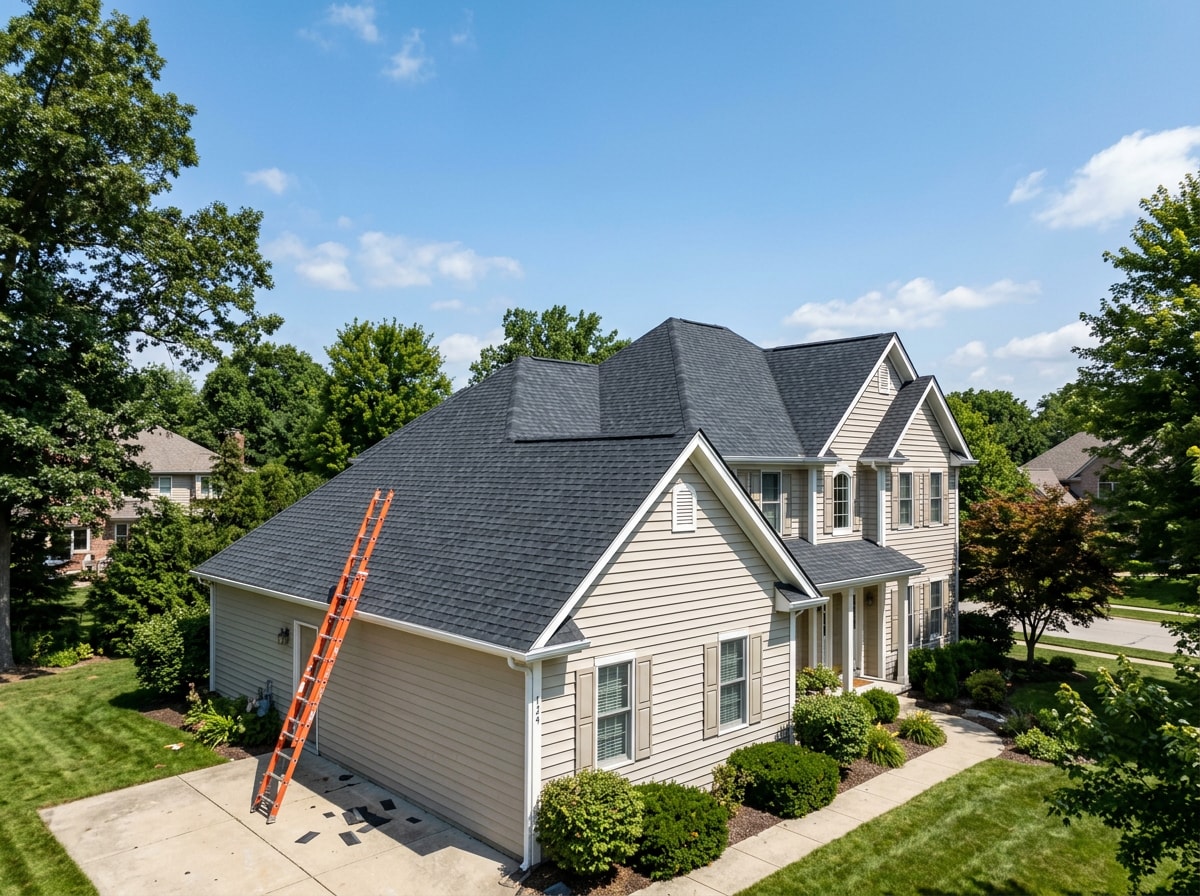
Beyond the checklist, trust your own comfort level. If a company answers questions patiently and treats your home with respect during the quote process, that's a legitimate signal worth weighing. You can browse our full range of roofing and remodeling services on our homepage, or contact us to get a free estimate on your next roofing project.
About the Author
This guide was written by the Project Revitalize editorial team, led by a licensed general contractor serving Frisco, Dallas, McKinney, Plano, Fort Worth, Denton, and Allen, Texas. Our crews perform roof inspections, repairs, and replacements across North Texas and have reviewed thousands of quotes alongside homeowners comparing contractors. Questions about a specific roof? Reach out directly.
FAQ
How do I know if a roofing company is trustworthy?
A trustworthy roofing company has verifiable licensing and insurance, positive and recent online reviews, and clear written communication. Watch for red flags like pressure tactics, vague estimates, or a refusal to put commitments in writing.
What credentials should a roofing company have?
Look for a valid state or local license, active general liability and workers' compensation insurance, and manufacturer certification. These three credentials confirm a contractor meets basic industry standards before you let them on your roof.
How many quotes should I get before choosing a roofing contractor?
Get two to three written quotes before you compare contractors. This gives you enough data to spot pricing outliers and compare scope, materials, and timelines fairly.
Should I choose the roofing contractor with the lowest price?
Not automatically. The cheapest quote can signal corner-cutting on materials, labor, or insurance, so weigh a low bid against scope and credentials, not price alone.
What questions should I ask a roofing contractor before hiring them?
Ask for proof of license and insurance, how long they've worked in your area, what manufacturer certifications they hold, whether they pull permits themselves, and what their workmanship warranty covers in writing.
What are common red flags when choosing a roofing company?
Watch for contractors who show up uninvited after a storm, demand full payment upfront, ask you to sign over your insurance check, or pressure you to sign a contract the same day they inspect your roof.