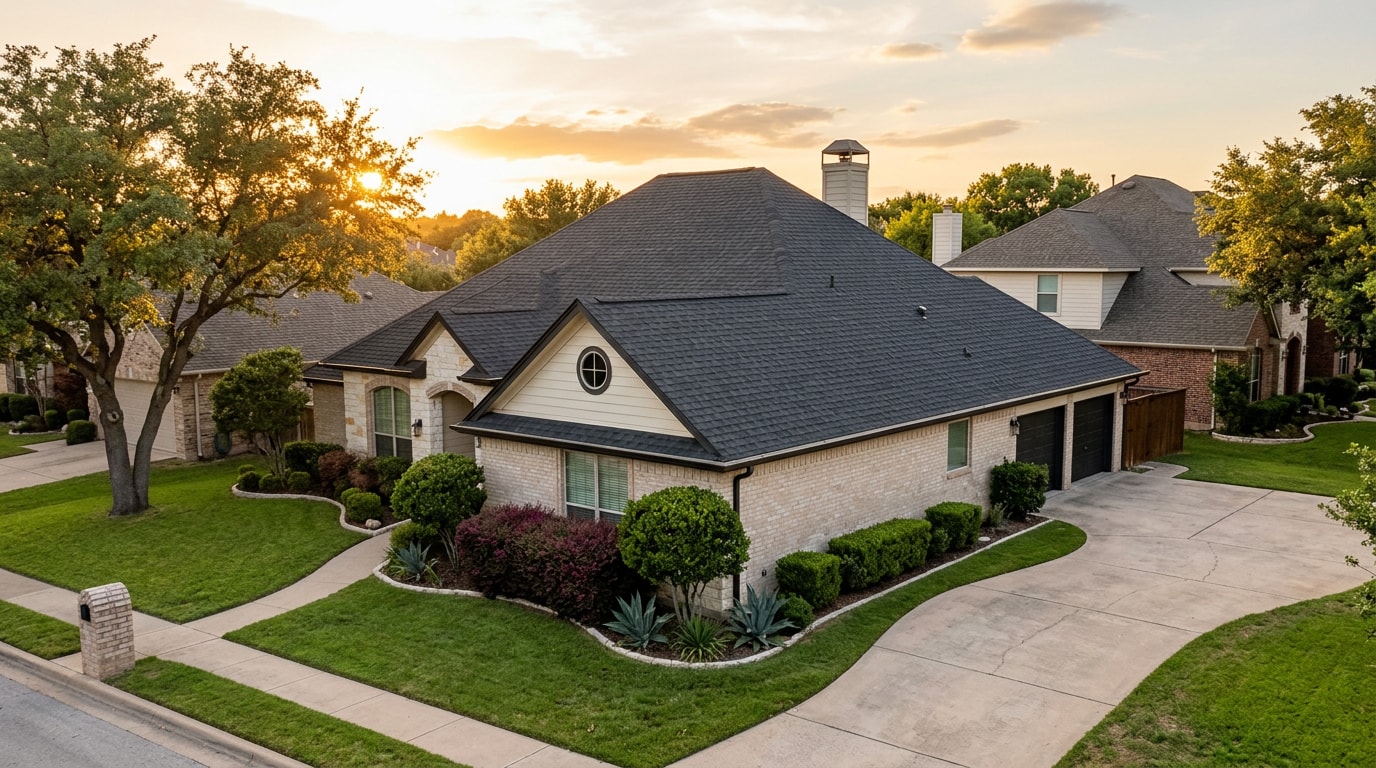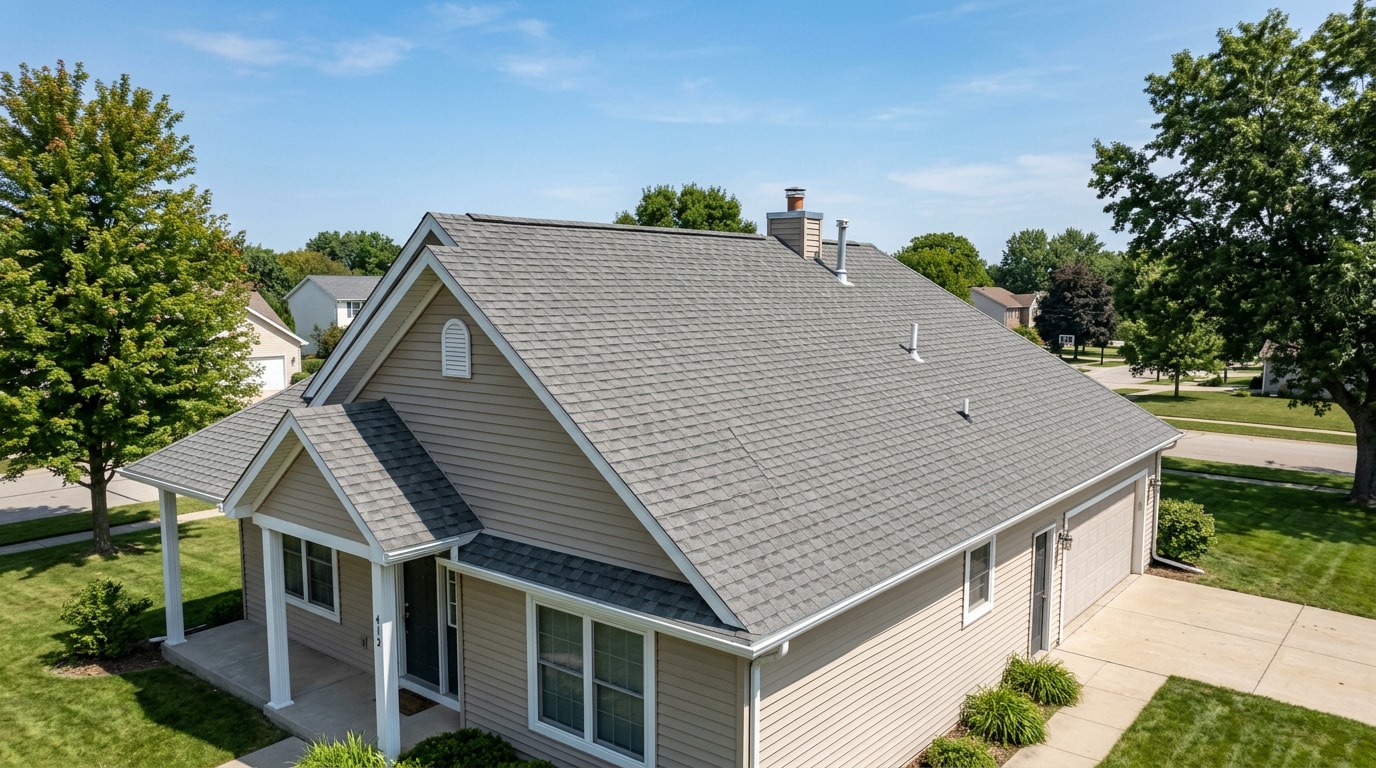
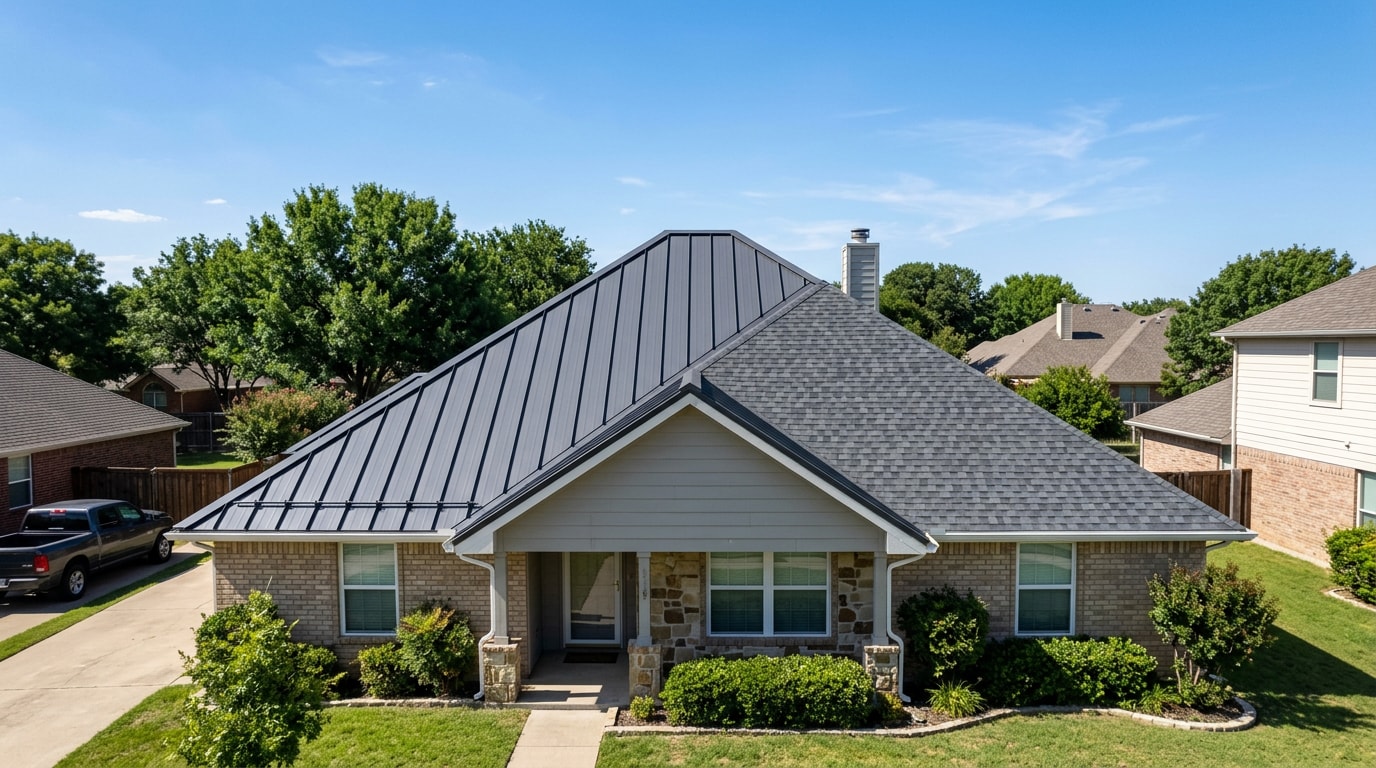
Which is better, shingles or metal roof, comes down to three things: your budget, how long you plan to own the home, and the weather your roof has to survive. Metal wins on lifespan, hail resistance, and long-term maintenance costs. Asphalt wins on upfront price and fast, affordable repairs. Here's the side-by-side breakdown before you sign a roofing contract.
Visit Revitalize Roofing and Construction to see our services and request a free estimate.
Metal Roof vs. Shingles at a Glance
Neither material is "wrong." They're built for different priorities, and the table below sums up where each one wins.
| Factor | Metal Roof | Asphalt Shingles |
|---|---|---|
| Upfront cost | Higher | Lower |
| Lifespan | 40–70 years | 15–30 years |
| Hail/impact resistance | Often Class 4 (highest) | Typically Class 1–2 |
| Fire rating | Class A | Class A (with proper assembly) |
| Maintenance | Low | Moderate to high |
| Repair cost per incident | Higher, specialized labor | Lower, widely available labor |
| Resale value impact | Stronger long-term ROI | Solid, shorter-term reassurance |
| Noise in rain/hail | More audible without insulation | Quieter by default |
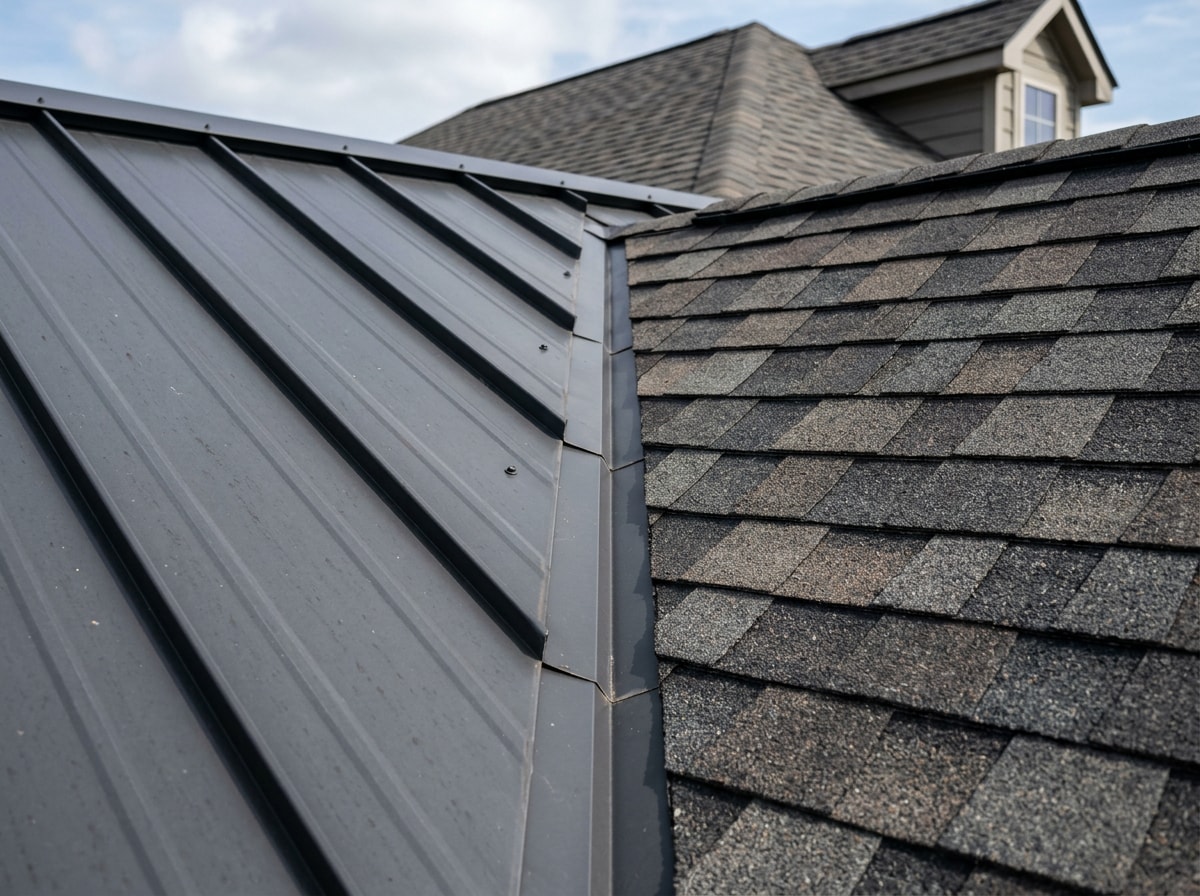
So which is better, shingles or metal roof, once the sticker price is out of the way? That depends on the five factors below.
Cost: Shingles Are Cheaper Upfront, Metal Costs Less Over Time
Asphalt shingles cost less to install than metal roofing in almost every case. The most significant barrier for many homeowners is the higher initial cost of metal roofs, averaging $11,000 for a 2,300 square-foot roof. A comparable shingle roof on the same house typically runs well under half that amount.
The price gap comes from three things:
- Material cost — raw steel, aluminum, copper, and zinc all cost more than asphalt and granules.
- Labor complexity — standing seam panels require specialized tools and seaming experience that most general roofing crews don't have.
- Panel cutting and fitting — complex rooflines with valleys and penetrations take longer with metal than with shingles.
If you want a full cost breakdown by roof size and material, our guide on whether a metal roof is actually more expensive than shingles walks through real pricing scenarios. For a general sense of what any roof type costs in your area, a roof replacement quote that itemizes material and labor separately is the only way to compare apples to apples.
Request a free estimate before budgeting so you're working with real local numbers instead of national averages.
Durability and Lifespan: Where Metal Pulls Ahead
Metal roofing lasts roughly two to three times longer than asphalt shingles. Metal roofs boast a lifespan of 40-70 years, compared to the 15-30 years of asphalt shingles. That gap alone can mean never re-roofing again versus budgeting for a full replacement twice during the same ownership period.
Hail performance is where the difference is most dramatic, and it's the detail generic buying guides tend to skip. Roofing materials are rated under UL 2218, a standardized impact test. The UL 2218 testing and certification approach results in four ratings — Class 1, 2, 3 and 4 — based on replicating impact energies for natural hailstones by dropping steel balls from various heights. Metal panels commonly earn the top Class 4 rating, while standard three-tab shingles often land at Class 1 or 2.
Our crews have inspected both roof types across Dallas-Fort Worth after the same hailstorms, and the pattern holds up in the field: metal panels show cosmetic denting, while shingle roofs in the identical storm frequently lose granules or crack and need full sections replaced. That's not a universal rule for every manufacturer or install, but it's consistent enough that we flag it during every post-storm roof inspection we run in Frisco, McKinney, and Plano.
| Rating | Metal Roof | Asphalt Shingles |
|---|---|---|
| UL 2218 Impact Class | Often Class 4 | Typically Class 1–2 |
| Fire Rating | Class A | Class A (with proper assembly) |
| Typical Lifespan | 40–70 years | 15–30 years |
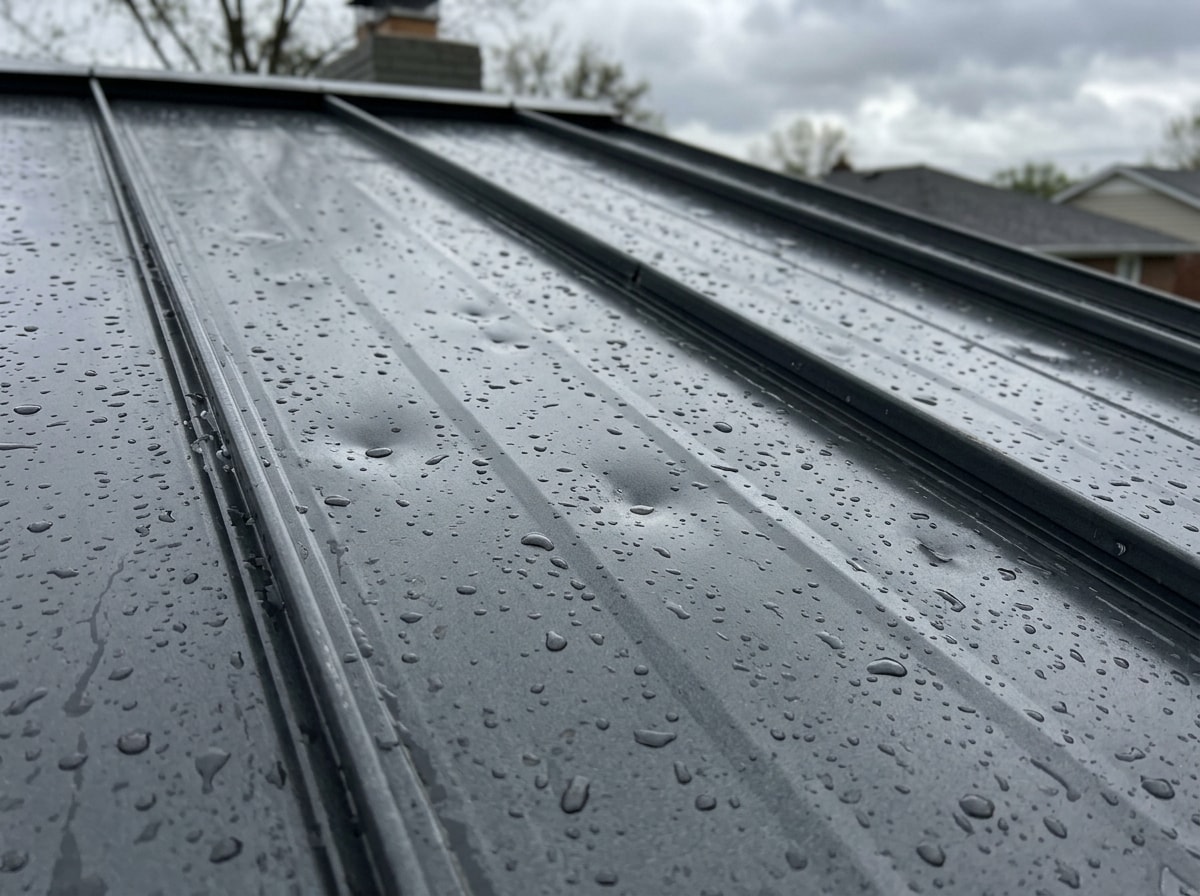
Both materials can reach the same fire rating, but assembly and underlayment matter as much as the surface material. If you're weighing impact resistance specifically, our deeper breakdown of hail-resistant metal roofing and the Class 4 impact rating system covers ratings by product line, not just material type.
Maintenance: Metal Needs Less, Shingles Need More Attention
Metal roofs ask very little of homeowners beyond clearing debris from valleys and the occasional visual check. Shingle roofs need more routine attention:
- Checking for granule loss after storms
- Replacing cracked or missing shingles before leaks start
- Watching for moss and algae in humid, shaded areas
- Resealing flashing around vents and chimneys periodically
Metal isn't entirely maintenance-free either. Exposed-fastener panels can loosen over time, and sealant at penetrations wears out and needs periodic inspection. If a small section of either roof type gets damaged, a roof repair is almost always cheaper than waiting until the damage spreads.
Energy Efficiency: Metal Has a Real Edge in Hot Climates
Reflective metal roofing can meaningfully cut cooling costs in warm regions like North Texas. Cool metal roofing is available unpainted, with thermosetting coil-applied paint finishes, or with granular-coated surfaces, and this family of roofing can achieve solar reflectance of over 70 percent, meeting the EPA Energy Star Roof Products Program performance criteria. Government guidance from the Department of Energy backs this up for homeowners comparing roof colors and finishes in hot-summer climates, where a more reflective roof surface reduces how much heat transfers into the attic.
Dark asphalt shingles absorb more heat by comparison, though lighter-colored and "cool roof" shingle lines narrow the gap somewhat. For homeowners in Dallas, Plano, or Fort Worth running air conditioning for six months a year, that reflectance difference adds up over a 40-year metal roof lifespan in a way it simply can't on a 20-year shingle roof.
Noise, Weight, and Installation: The Factors Most Guides Skip
Two practical differences rarely get enough attention in roofing comparisons:
- Noise. Metal roofs transmit more sound from rain and hail unless installed over solid decking with proper underlayment and insulation. A well-built metal assembly is not noticeably louder than shingles in normal rain, but a poorly insulated one will be.
- Weight and runoff. Metal panels are lighter than a shingle roof, which reduces structural load, but they shed water faster. That faster runoff sometimes means upsizing to 6-inch gutters to keep up, which is worth discussing during a gutter installation consultation if you're switching materials.
Installation speed also differs. Standard shingle tear-offs and reroofs typically move faster than standing seam installs, simply because more crews are experienced with asphalt. That matters if you're racing a weather window; our guide on what happens if it rains during a roof replacement explains how timing affects either material.
Resale Value: Metal Has the Stronger Long-Term Case
A newer shingle roof reassures buyers that a major replacement isn't imminent, and that still counts for something at closing. But metal roofing tends to add more resale value over time, mainly because buyers are purchasing decades of lower maintenance along with the roof itself. Appraisers and agents in hail-prone and high-heat markets increasingly call out metal roofing as a listing feature rather than treating it as a neutral upgrade.
When to Choose Shingles vs. Metal
Choose shingles if:
- Your budget is tight and you need a cost-effective reroof now
- You plan to sell or move within the next 10–15 years
- You want the widest range of colors and styles at a lower price point
- Your roofline is complex and labor costs matter more than material longevity
Choose metal if:
- You plan to stay in the home long-term and want to avoid a second reroof
- Your area sees frequent hail, high winds, or wildfire risk
- Lower long-term maintenance and energy savings matter more than the upfront bill
- You want the strongest resale signal for a future buyer
Neither choice is objectively wrong. Matching the roof to your actual timeline, budget, and local climate is what makes the decision pay off. A proper roofing contractor consultation can confirm which option fits your specific roof structure, HOA rules, and insurance situation before you commit. If you're in the Dallas-Fort Worth area, our teams serving Dallas and Frisco can walk the roof with you and give you real numbers for both materials side by side.
Start with a free, no-pressure estimate: get a free estimate and compare actual quotes before you decide. You can also browse {{SITE_URL}}/ for the full range of roofing and exterior services we offer across North Texas.
FAQ
Is it better to have a metal roof or shingles?
Metal is better for long-term durability, lifespan, and low maintenance. Asphalt shingles are better for lower upfront cost and faster installation. The right answer depends on your budget and how long you plan to stay in the home.
What are the disadvantages of a metal roof?
The biggest disadvantage is the higher upfront cost compared to shingles. Metal also requires specialized installation skill, so fewer contractors are qualified to do it correctly, and poor installation around fasteners or flashing can cause leaks.
Is it cheaper to install shingles or a metal roof?
Shingles are cheaper to install upfront. Shingles can be the cheaper option and simplest to install. Metal costs more at install but typically costs less over the life of the roof since it needs replacing far less often.
Which lasts longer, metal roofing or shingles?
Metal lasts longer in nearly every case. A well-installed metal roof commonly reaches 40 to 70 years, while asphalt shingles typically last 15 to 30 years depending on climate and shingle grade.
Do metal roofs leak more than shingles?
Metal roofs are generally less prone to leaking than shingles when installed correctly, since they have fewer seams and shed water faster. Improper installation around fasteners and flashing is the most common cause of metal roof leaks. For a full breakdown, see our comparison on whether metal roofs actually leak more than shingles.
Are metal roofs noisier than shingles?
A properly installed metal roof with solid decking, underlayment, and insulation is not dramatically louder than shingles in normal rain. Poorly insulated exposed-fastener panels are the ones that get loud during heavy rain or hail.
Can you install a metal roof directly over existing shingles?
In many cases yes, with the right furring strips or underlayment, though local code and your specific roof deck condition determine whether it's allowed and advisable. A contractor should inspect the existing roof deck before approving a reroof over shingles.