How much does a roof cost in 2026? Most homeowners pay between $5,900 and $16,000 for a full replacement, with the national average sitting around $9,600. Your actual number depends on roof size, material, pitch, and labor rates in your area, and this guide breaks down every piece of that math so you walk into a quote conversation ready.
Average Roof Replacement Cost in 2026
The total cost to replace a roof, $9,609 on average, depends on its material, height and pitch, home size, roof surface size, and geographic location, and the price can range from an average low of $5,903 to a high of $46,000.
Most contractors price jobs between $4 and $11 per square foot.
That's a wide spread, and for good reason. A small home with three-tab asphalt shingles sits at the low end. A large home with a steep pitch and premium materials can push past $30,000 without much trouble.
The rest of this guide splits that average out by size, material, and the specific factors that move your quote up or down.
See what's typically included in a full tear-off and reroof on our roof replacement page, or get a free estimate sized to your actual roof.
Roof Cost by Size (Square Footage)
Roof size is the single biggest driver of total cost, since contractors price jobs by the square foot or by the "square," a roofing term for 100 square feet.
| Roof Size | Estimated Total Cost |
|---|---|
| 1,120 sq ft | $4,900 – $12,300 |
| 1,565 sq ft | $6,800 – $17,200 |
| 1,800 sq ft | $8,800 – $22,100 |
| 2,235 sq ft | $9,700 – $24,600 |
| 2,460 sq ft | $10,700 – $27,100 |
Source: Angi 2026 cost data, ranging from a 1,120 sq. ft. roof at $4,900 to $12,300 up through a 2,460 sq. ft. roof at $10,700 to $27,100.
Keep in mind that roof square footage almost always exceeds your home's floor square footage. Overhangs, eaves, and pitch add surface area that a simple footprint measurement won't capture. A 1,500-square-foot ranch might actually have an 1,800- to 2,000-square-foot roof once slope is factored in.
That's why a contractor's on-site measurement, not your home's listed square footage, should be the basis for any real budget.
Roof Cost by Material
Material choice affects total price more than almost any other factor.
| Roofing Material | Typical Installed Cost |
|---|---|
| Asphalt Shingle | $5,800 – $20,000 |
| Metal | $5,700 – $25,000 |
| Wood Shake Shingle | $16,000 – $27,000 |
| Tile | $8,500 – $26,400 |
| High-End Stone or Slate | $5,800 – $30,000 |
Angi's 2026 data puts installed asphalt shingle roofs at $5,800 to $20,000, wood shake at $16,000 to $27,000, metal at $5,700 to $25,000, tile at $8,500 to $26,400, and high-end stone or slate at $5,800 to $30,000.
Asphalt remains the default choice for small to mid-size homes because of its low upfront price. Metal and some tile products can also qualify as reflective "cool roofing."
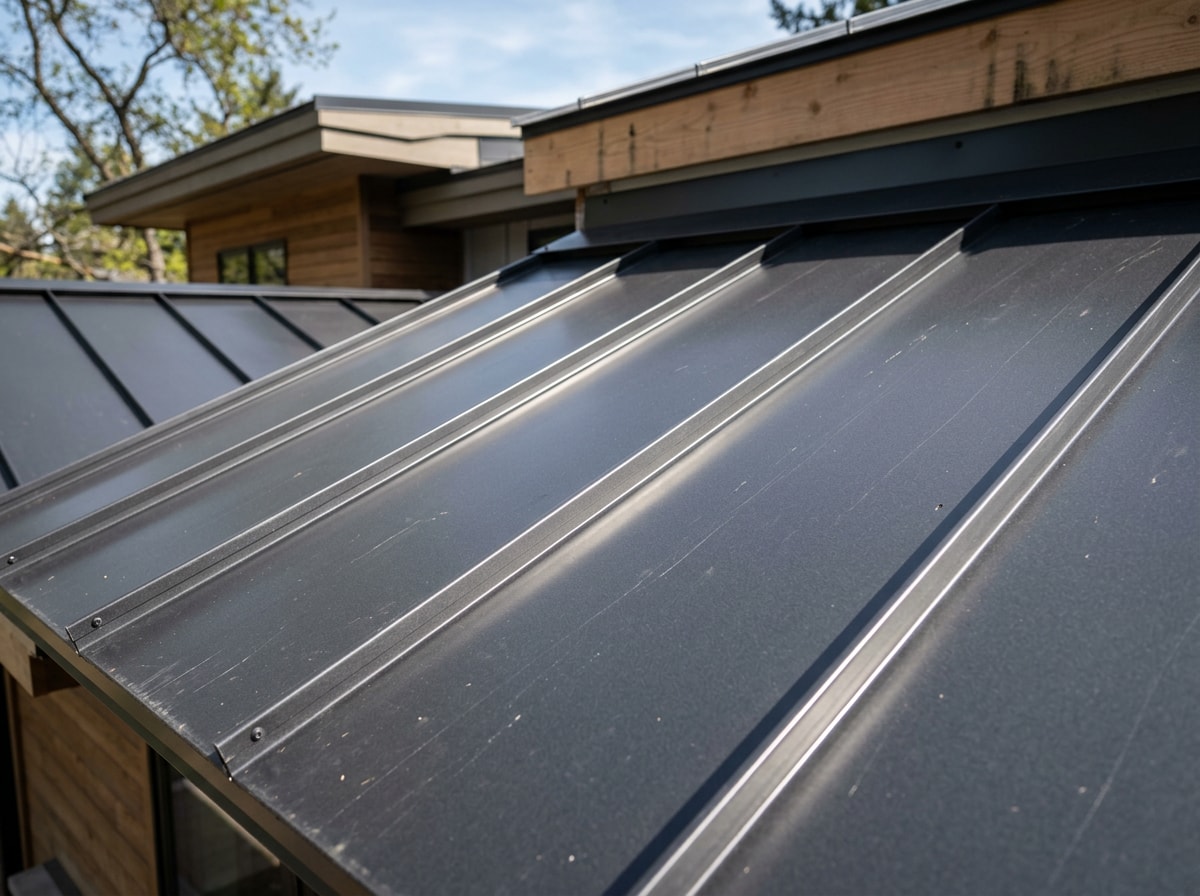
A cool roof is designed to reflect more sunlight than a conventional roof, absorbing less solar energy , and this can save energy and money in buildings with air conditioning, or improve comfort in buildings without it, by reducing heat flow from the roof into the occupied space. The U.S. Department of Energy's cool roofs guide explains which climates benefit most.
If you're weighing metal against shingles on price alone, our breakdown on whether metal roofing costs more than shingles walks through the long-term math, not just the sticker price.
Roofing Labor Cost Per Square
Labor is usually the biggest line item on your invoice, not materials. The national average labor cost for roof replacement ranges between $1.50 and $3.00 per square foot.
In most cases, labor takes up the largest percentage of the total roof replacement cost.
Premium materials like tile and slate push labor well past that range, since they require specialized handling, more fasteners, and slower, more careful installation.
What Affects Your Roof Quote Beyond Size and Material
A handful of variables explain why two similar-looking homes can get very different numbers:
- Roof shape. Multiple stories, skylights, dormers, and chimneys slow a crew down and add flashing work.
- Pitch. Steeper roofs require more fall-protection gear and take longer to work on safely.
- Tear-off. Removing an existing layer (or two) of old roofing adds cost before a single new shingle goes down.
- Permits. Most jurisdictions require a roofing permit, and
the International Residential Code is designed to meet building-safety needs through model code regulations that safeguard the public in communities large and small , which is the baseline most local permit rules build from. You can review the current residential code requirements on ICC's site.
- Add-on work. Many homeowners pair a reroof with new gutter installation since the crew and equipment are already on-site.
Skipping the permit step isn't just a code violation risk. It can complicate insurance claims and slow down a future home sale.
Real Roof Costs We See Across North Texas (DFW)
National averages are a useful starting point, but they don't capture what actually drives quotes in the Dallas-Fort Worth market. Two things push local pricing: frequent hail and high summer heat.
Many DFW insurers offer premium discounts, or require, Class 4 impact-resistant shingles after a hail claim, which cost more upfront than standard architectural shingles but can lower your ongoing premium. Steep-slope, high-wind homes closer to the Metroplex's open corridors also tend to see higher labor bids than comparably sized homes in older, tree-shaded neighborhoods.
We quote roofs in Frisco, Dallas, McKinney, Plano, Fort Worth, Denton, and Allen every month, and the spread between a basic asphalt reroof and a Class 4 shingle or standing seam metal upgrade here typically runs $3,000 to $7,000 higher than the national averages above. If you want a number specific to your address, see our full roofing contractor services or request a free estimate.
Mobile Home & Small Roof Costs
Smaller structures have their own pricing tier, and the numbers don't scale down proportionally with size.
| Home Type | Single-Wide | Double-Wide |
|---|---|---|
| Asphalt Shingles | $1,500 – $6,000 | $3,000 – $10,000 |
| Metal Roofing | $2,500 – $19,200 | $5,000 – $32,000 |
| TPO Membrane | $2,000 – $12,000 | $4,000 – $20,000 |
| EPDM Rubber | $2,000 – $12,000 | $4,000 – $20,000 |
A manufactured home roof replacement costs $1,500 to $9,600 for a single-wide and $3,000 to $16,000 for a double-wide overall, with metal roofing running $2,500 to $19,200 on a single-wide and $5,000 to $32,000 on a double-wide, asphalt shingles $1,500 to $6,000 and $3,000 to $10,000, and TPO or EPDM $2,000 to $12,000 and $4,000 to $20,000.
Mobile home roof costs don't drop as much as the smaller footprint suggests, mainly because crew setup, equipment transport, and minimum job charges stay roughly fixed no matter how small the roof is.
Roof Repair vs. Roof Replacement Cost
Not every roofing problem requires a full tear-off. The average cost for repairing your roof is $379 to $1,763, with the national average being $1,064 , compared to full replacement typically ranging between $5,755 and $12,498, with the average U.S. homeowner spending about $9,117 on a new roof.
The decision usually comes down to damage extent. If the area of roof damage is widespread, the shingles are close to their lifespan expiration, you notice mold growth, or there are signs of structural damage, costs can balloon toward replacement territory, since repair costs would land close to what a new roof would cost anyway.
If you're not sure which category your roof falls into, a roof inspection gives you a clear answer before you spend money on either option. Our roof repair services page covers common repair scenarios in more detail, and if you want a deeper dive on patch jobs specifically, see how to patch a shingle roof.
How to Pay For (and Save On) a New Roof
Check Your Warranty and Insurance First
Before assuming you'll pay full price out of pocket, check two things: your roof's existing warranty and your homeowners policy.
The roof on your home is covered by homeowners insurance under the dwelling, or Coverage A, portion of the policy, which pays for the cost to repair or replace your home up to the policy limits if damaged by a covered peril such as wind, hail, or fire.
Whether that helps depends on the cause of damage and your claim type. Actual cash value means the insurer pays the roof's depreciated value based on its age and condition before the damage, so if the roof is ten years old, the insurer deducts depreciation for each year, and the homeowner is responsible for the remaining cost plus the deductible. Replacement cost coverage skips that depreciation step. The Iowa Insurance Division's consumer guide breaks down the difference in plain language.
Gradual wear from age generally isn't covered under either type.
Time Your Project for the Offseason
Summer and fall are peak roofing season, which means higher demand and less room to negotiate. If your roof can wait, scheduling for late winter or early spring often means better crew availability and more competitive pricing.
Get Multiple Quotes
Always collect at least three quotes from licensed roofers before committing. Watch for outliers: if two contractors quote around $10,000 and a third comes in at $5,000, treat that as a red flag, not a win. Unusually low bids often signal shortcuts on materials or labor that cost more in repairs down the line.
Ready to compare real numbers for your home? Request a free estimate from our team before making a final decision, or start at our homepage to see our full range of roofing and exterior services.
FAQ
How much does a roof cost on average in 2026?
Most full replacements run $5,900 to $16,000, with a national average around $9,600. Size, material, and pitch are the three biggest swing factors, and premium materials on large, complex roofs can push past $30,000.
How long does it take to replace a roof?
Roof replacement disrupts your household for between one and seven days , depending on roof size, material, and complexity. Simple asphalt shingle jobs on a small home finish fast; steep, multi-material, or large roofs take longer.
Does homeowners insurance cover roof replacement?
Only when the damage comes from a covered peril like wind, hail, fire, or a fallen tree. Normal wear and tear from age isn't covered. Your payout also depends on whether your policy pays actual cash value (which factors in depreciation) or replacement cost value (which doesn't).
What is the cheapest roofing material?
Asphalt shingles remain the cheapest option and the most common choice for residential roofs. They're widely available, quick to install, and sufficient for most homes, though they carry a shorter lifespan than metal, tile, or slate.
How can you tell if you need a new roof?
Common warning signs include curling or missing shingles, active leaks, sagging sections, visible daylight through the attic, and repeated repair bills that keep piling up. If your roof is approaching the end of its expected lifespan, a full replacement is usually more cost-effective than another round of patches. A roof inspection gives you a definitive answer.
Is $30,000 too much for a new roof?
Not necessarily. For a large home, a steep or complex roofline, or premium materials like metal, tile, or slate, $30,000 is a realistic quote. For a standard-size home with asphalt shingles, that price is on the high end and worth comparing against at least two other bids.