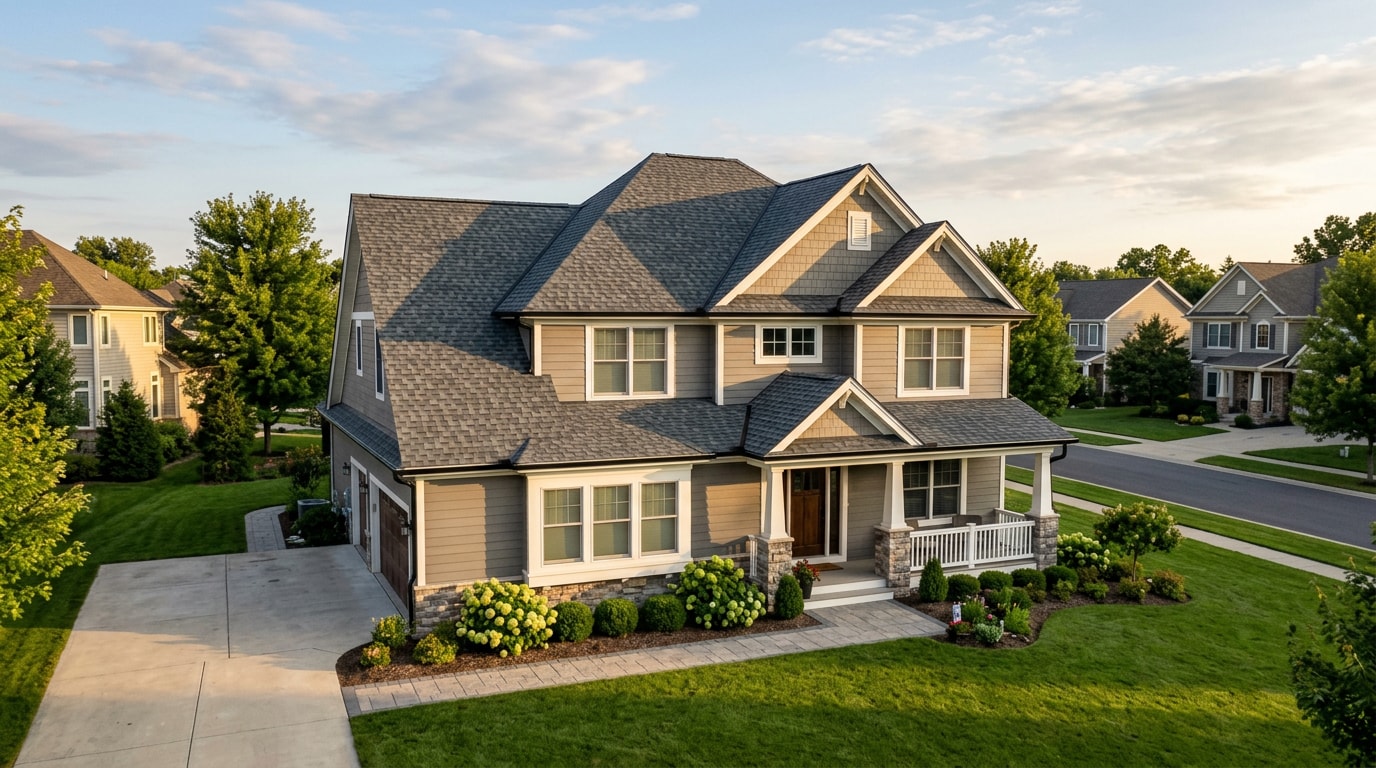
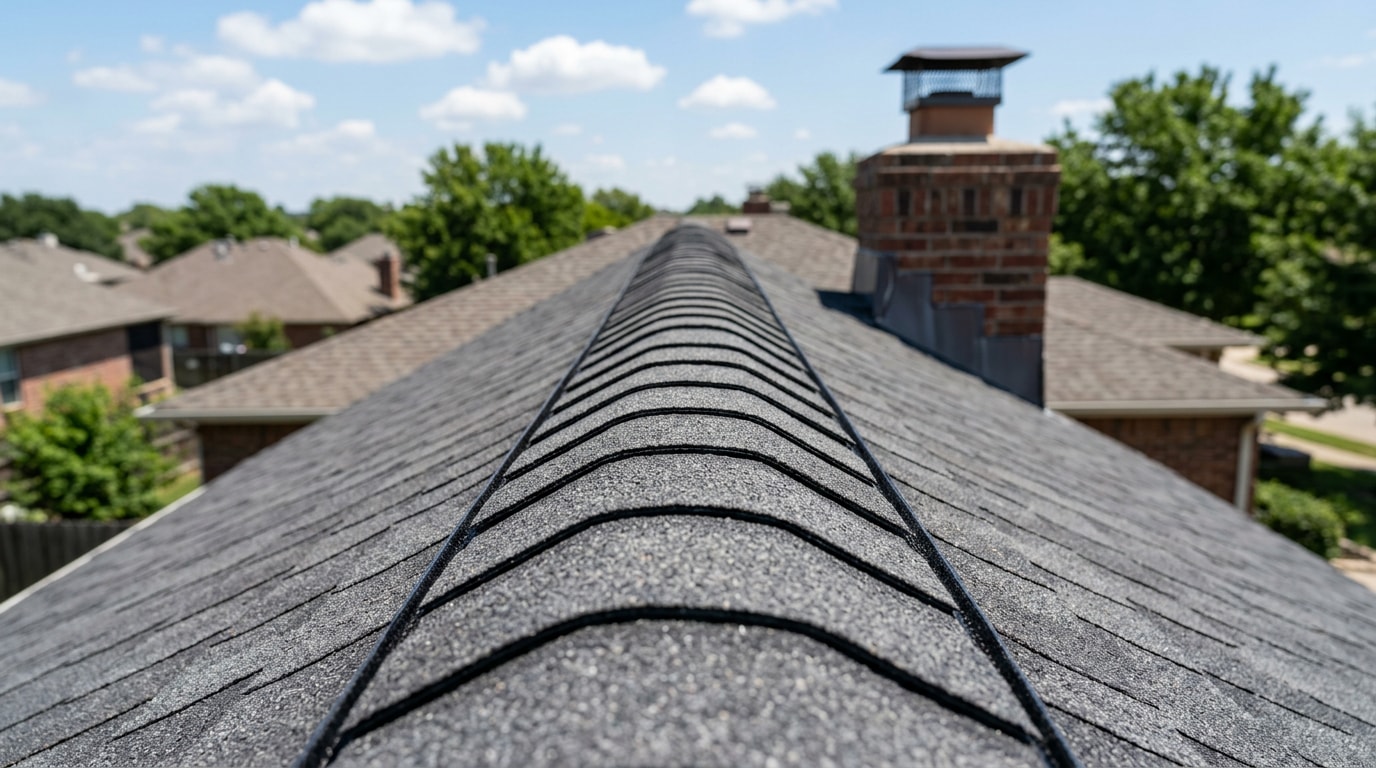
A ridge cap on a roof is the row of trimmed shingles, metal panels, or tile pieces installed along the peak where two roof slopes meet. It seals that seam against rain, wind, and debris while finishing the roofline with a clean, uniform edge. Skip it, and the open gap at the top of the roof becomes the easiest way for water to get in.
What Is a Ridge Cap on a Roof? (Core Definition)
A ridge cap is a series of individual cap shingles, or pre-formed metal and tile sections, that fold over the roof ridge and run the full length of the peak. Each piece overlaps the one before it, shedding water downward instead of letting it pool or seep into the seam where the slopes meet.
The material always matches the field roofing. An asphalt-shingle roof gets an asphalt ridge cap. A standing-seam metal roof gets a matching metal cap. A clay tile roof gets a tile cap shaped to the same profile.
Here's the fast way to spot one: stand back and look at the very top of the roof. The field shingles lie flat in neat rows, but at the peak you'll see a distinct strip bent and layered over the ridge, almost like a cap on a bottle. That raised, folded strip is the ridge cap, and it's visually different from the flat shingles below it even from the ground.
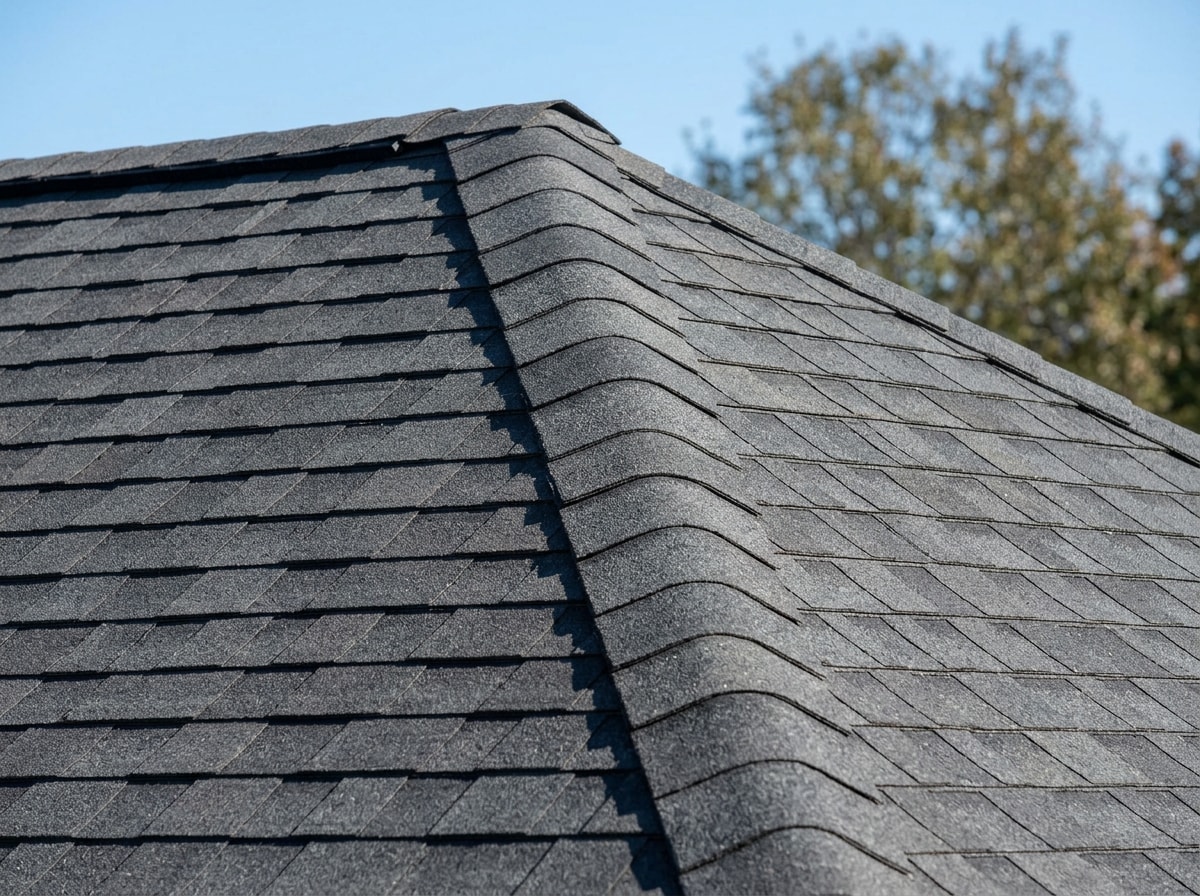
If you're assessing your own roof or just want to understand what a roofing contractor is pointing at, learning to spot the ridge cap is a good first step.
Why Does a Roof Need a Ridge Cap?
A ridge cap does three jobs at once: it blocks weather, supports ventilation, and finishes the roof's appearance. On the weather side, it acts as a barrier against rain, snow, and wind, keeping water and debris from working into the roof's most exposed seam.
The peak is where two slopes collide, so it takes the brunt of driving rain and wind uplift. In our own inspections across North Texas roofs, from steep Frisco, TX rooflines to older homes in Plano, TX, the ridge is consistently the first place storm damage shows up, well before the field shingles start failing.
When a ridge vent sits underneath, the cap also protects that ventilation opening from wind-driven rain while still letting air pass. And a ridge cap in good shape gives the roofline a crisp, finished edge. A roof with a damaged or missing cap tends to look worn even when the rest of the shingles are fine.
How a Ridge Cap Works
A ridge cap sheds water through overlapping, shingle-style layering, directing runoff down and away from the seam instead of letting it pool at the peak. Each piece is nailed so the one above covers the nail line of the piece below. That creates a continuous, watertight run along the entire ridge.
When a ridge vent sits underneath, the cap has a second job: keep weather out while air still moves through. Ventilation channels in the vent allow attic air to escape, which helps control attic temperature and moisture. The cap seals against wind and rain without creating an airtight barrier, a balance achieved through the shape and spacing of the material rather than a solid seal.
Types of Ridge Caps
Ridge caps come in three material categories, and the right choice usually comes down to what the rest of the roof is made of:
- Asphalt pairs with asphalt shingle roofs
- Metal pairs with metal roofing systems
- Tile pairs with clay or concrete tile roofs
Mixing materials across these categories is rarely done. Matching expansion rates, fastening methods, and weather resistance matters more than it looks like it would.
Asphalt Ridge Cap Shingles
Asphalt ridge cap shingles are the most common choice for residential roofs, since most U.S. homes already use asphalt shingles in the field. These caps are either cut from standard shingles or manufactured as pre-formed ridge cap shingles designed to bend cleanly over the peak without cracking.
Factory-made caps aren't just a convenience item. According to GAF, installing factory-produced hip and ridge caps lets homeowners benefit from higher wind speed coverage against blow-offs, plus longer warranty terms that often match the field shingle warranty . Coverage varies by product: the number of pieces and coverage a bundle of hip and ridge caps provides depends on the type and overlap, and in general, each bundle covers 20 to 33 lineal feet . That's a useful number to have when a contractor quotes you a material count.
In hot, sun-exposed climates, the ridge takes more direct UV exposure than almost any other part of the roof. SBS-modified asphalt caps hold up to that stress better than standard asphalt, resisting cracking as the material ages.
Metal Ridge Cap
Metal ridge caps are standard on standing-seam and corrugated metal roofs, where they provide a durable, weather-tight finish with low maintenance needs. Common options include steel, aluminum, galvalume, and copper, each with different durability, cost, and appearance.
| Material | Typical Lifespan | Relative Cost | Notes |
|---|---|---|---|
| Galvalume steel | 30–50 years | $$ | Strong corrosion resistance, most common choice |
| Aluminum ridge cap | 35–50 years | $$ | Lightweight, won't rust, good for coastal areas |
| Copper | 50+ years | $$$$ | Develops a patina, highest upfront cost |
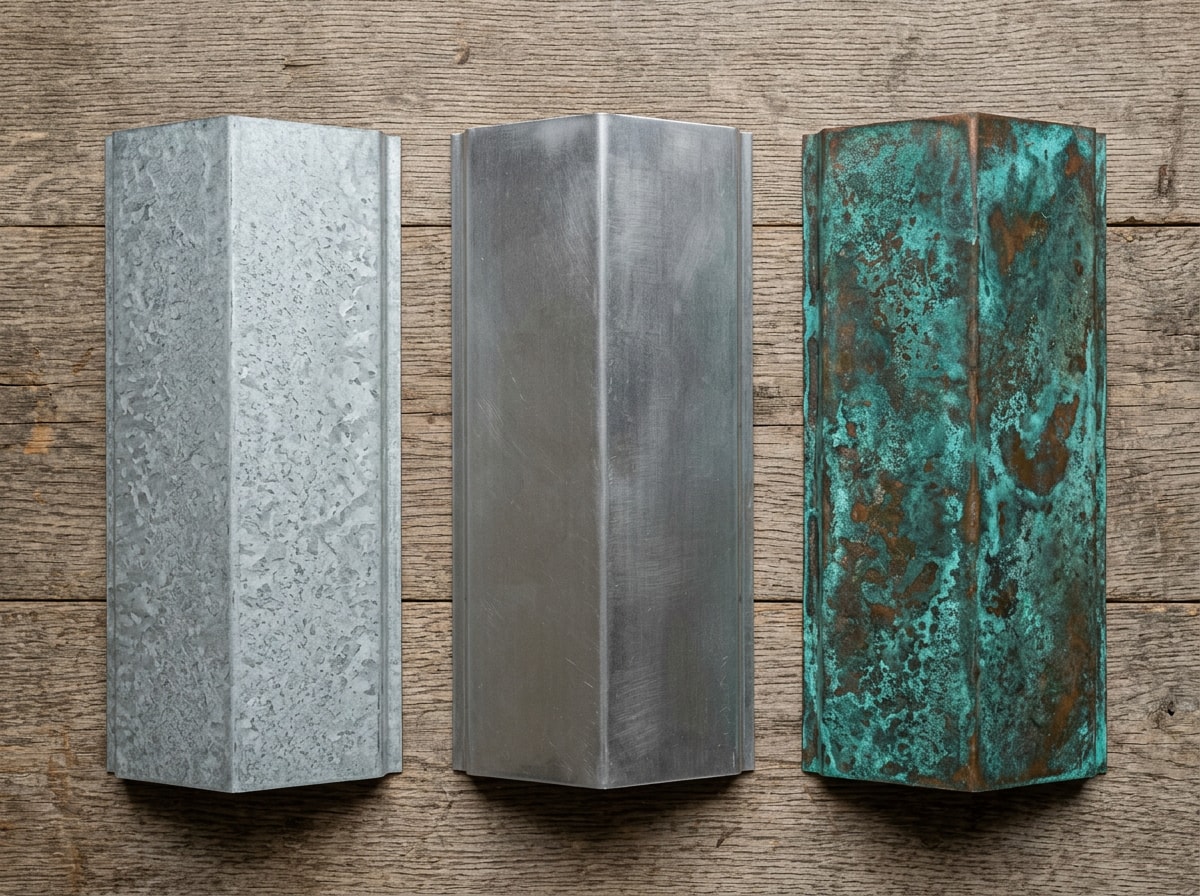
The detailing matters as much as the material. The NRCA's roofing manual documents a "non-venting ridge cap flashing" detail that provides the most common and effective method for flashing a ridge, where the cap is used to complete the weatherproofing system where panels meet . If you're planning a metal reroof, our guide on how to install ridge cap on a metal roof walks through the closure strips and fastening pattern in more depth.
Tile Ridge Cap
Tile ridge caps are shaped to match clay or concrete tile profiles and are installed using either a traditional mortar-set method or a newer foam-adhesive system. Mortar has been standard for decades, but foam adhesive has gained ground because it flexes with temperature swings instead of cracking.
That flexibility matters because clay and concrete both expand and contract with heat. A rigid mortar joint can eventually crack under repeated thermal movement, while foam-set systems are built to absorb that expansion.
Ridge Cap vs. Ridge Vent: What's the Difference?
These two terms get confused constantly, but they describe different parts of the same system. A ridge vent is the ventilation channel cut into the roof deck along the peak. The ridge cap is the weatherproofing layer installed on top of it, protecting it from rain and wind while still letting air flow through.
Put simply: the vent breathes, and the cap weatherproofs. You can have a ridge cap without a ridge vent underneath (plenty of older or non-vented roofs are built this way), but you can't have a ridge vent without a ridge cap, since the cap is always the outermost, weather-facing layer.
| Feature | Ridge Cap | Ridge Vent |
|---|---|---|
| Function | Weatherproofs the ridge seam | Allows attic air exchange |
| Material | Asphalt, metal, or tile | Plastic, metal, or foam mesh |
| Visibility | Visible from the ground | Hidden under the ridge cap |
| Cost role | Required on every ridge | Optional, added ventilation upgrade |
| Required? | Yes, on virtually all sloped roofs | No, only if ventilation is being added |
If your attic runs hot or your current ventilation setup seems insufficient, a roof inspection can confirm whether a ridge vent upgrade makes sense alongside your next ridge cap replacement.
Ridge Cap Shingles vs. Regular Shingles
Ridge cap shingles and field shingles might come from the same manufacturer and color line, but they're built differently. Field shingles are flat and relatively rigid, designed to lie smooth across an open plane. Bend one sharply over a 150-degree peak and it cracks, especially in cold weather.
Ridge cap shingles are pre-bent and reinforced specifically so they can fold over the ridge line without splitting. That's also why cutting up leftover field shingles as a makeshift ridge cap is a bad shortcut, even though it's sometimes done to save money. It technically covers the seam, but it skips the flexibility and wind-rating benefits that purpose-built ridge cap shingles are designed to provide.
How Ridge Cap Installation Works
Ridge caps go on last, after every course of field shingles has been laid up to the peak on both slopes. Here's the general sequence:
- Each cap shingle is bent over the ridge and nailed down.
- The next piece overlaps it by a set amount, typically covering the prior piece's nail line.
- This repeats down the full length of the ridge.
- On the final piece, exposed nail heads get hand-sealed with roofing cement.
Because the cap sits over several layers of shingle material near the peak, installers use extra-length roofing nails to make sure each fastener reaches the solid roof deck. Skimping on nail length is a common shortcut that leads to premature blow-offs in high wind.
Fastening rules for roof coverings fall under the 2021 IRC's roof assemblies chapter , which most local building departments reference during reroof inspections. Local code can vary, so it's worth confirming specifics with your area's building department before a reroof.
Signs Your Ridge Cap Needs Replacement
Watch for these warning signs after a storm or as a roof ages:
- Cracked or missing cap shingles
- Heavy granule loss concentrated along the ridge line
- Lifted or curling edges
- Interior leaks near the center of the ceiling
Any one of these on its own is worth a closer look. More than one showing up together usually means replacement shouldn't wait.
Lifted edges deserve extra attention. Even when the shingles look intact from a distance, wind-driven rain can get underneath them. That trapped moisture can work into the roof deck long before a leak shows up inside the house.
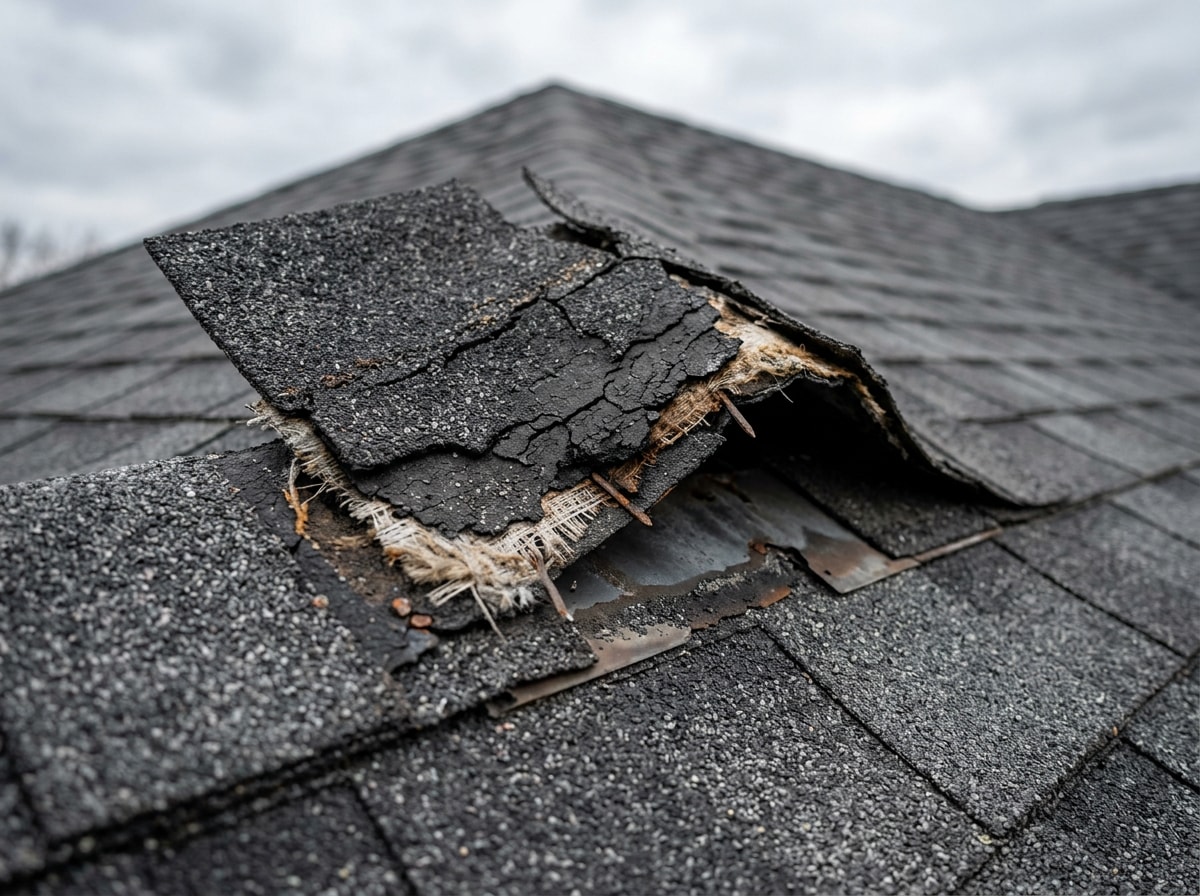
If you're seeing any of these signs, or it's just been a while since the roof was checked, a professional roof inspection can confirm whether the ridge cap alone needs attention or whether it points to a broader issue.
How Much Does Ridge Cap Replacement Cost?
Ridge cap replacement cost depends on material, roof pitch, and whether it's a standalone repair or part of a full reroof. These are planning ranges based on typical regional contractor pricing, not a quote:
| Material | Materials Only (per linear ft) | Installed (per linear ft) |
|---|---|---|
| Asphalt | $1.50–$3 | $4–$10 |
| Metal | $3–$7 | $8–$18 |
| Tile | $5–$10 | $12–$25 |
Steep or hard-to-access roofs push labor costs toward the higher end of each range, since ridge work almost always requires harness setup and more careful footing. If you're budgeting for the whole roof rather than just the ridge, our guide on how much a roof costs in 2026 breaks down full reroof pricing by material and square footage.
If the ridge cap damage is isolated, a targeted roof repair may be all that's needed. If it's widespread or tied to an aging roof, a roof replacement quote is worth getting alongside the ridge-specific estimate. The team at Project Revitalize serves homeowners across Frisco, Dallas, TX, McKinney, TX, and the surrounding DFW area, and can get you a free estimate after a hands-on look at the ridge.
Frequently Asked Questions
How Long Does a Ridge Cap Last?
A professionally installed ridge cap typically lasts 15 to 30 years, closely tracking the lifespan of the architectural shingles beneath it. Harsh sun, high wind, and poor installation shorten that range. A well-ventilated, well-installed ridge tends to land toward the higher end.
Do Ridge Caps Affect Energy Efficiency?
Yes, indirectly. A ridge cap paired with proper ventilation helps regulate attic temperature and moisture. The Department of Energy notes that a dry, well-ventilated attic reduces heating and cooling costs and helps keep the attic cold in winter, which reduces the potential for ice damming . ENERGY STAR's guidance on attic ventilation reinforces the same point for summer heat buildup.
Can You Use Regular Shingles as a Ridge Cap?
Not if you want it to last. Field shingles aren't designed to bend over a sharp ridge angle, and cutting them up as a makeshift cap skips the reinforcement and wind rating built into purpose-made ridge cap shingles. Most manufacturers also won't honor a wind warranty if field shingles were used on the ridge instead of factory-made caps.
What Materials Are Best for Ridge Caps in Winter Climates?
Materials with strong sealing properties and good freeze-thaw resilience, such as metal with proper coatings or weatherproof cap shingles, work best in cold climates. Standard asphalt caps can still perform fine in winter, but SBS-modified or metal options tend to hold up better against repeated freeze-thaw cycling at the ridge.
Do You Need Ridge Cap Shingles on Every Roof?
Yes, on any sloped roof with a ridge. The main exception is flat or low-slope roofs, which don't have a true peak and use different sealing methods at their seams entirely.