Do metal roofs leak more than shingles? It's the question we hear most often from homeowners weighing a switch away from asphalt. The short answer is no, a correctly installed metal roof leaks less than shingles, and the real driver of leak risk is installation quality, not the material on top.
Quick Answer: Do Metal Roofs Leak More Than Shingles?
A properly installed metal roof does not leak more than an asphalt shingle roof. In most cases, it leaks less.
Metal panels have far fewer seams than a shingle field. They shed water faster. They rely on mechanically fastened or interlocked joints instead of thousands of overlapping shingle tabs that can lift, crack, or lose granules over time.
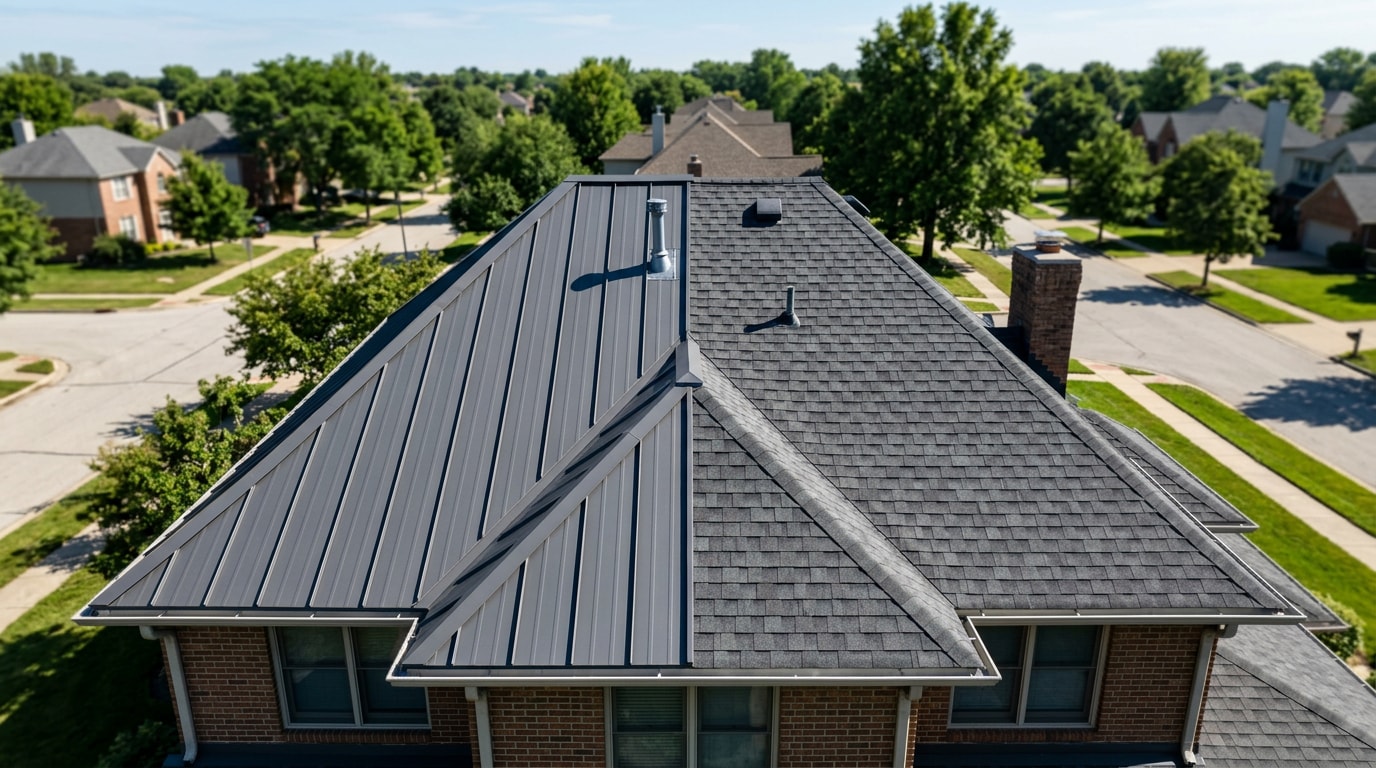
The real story is seams and surface area. A shingle roof is built from thousands of small, overlapping pieces. Each one is a potential entry point once it ages or gets damaged. A metal roof is a continuous, mechanically joined surface with a fraction of the connection points, so water has fewer places to find a way in.
That said, material alone doesn't guarantee a watertight roof. The variable that actually determines whether a roof leaks, metal or shingle, is installation quality, especially around flashing and penetrations. That's the thread running through the rest of this guide.
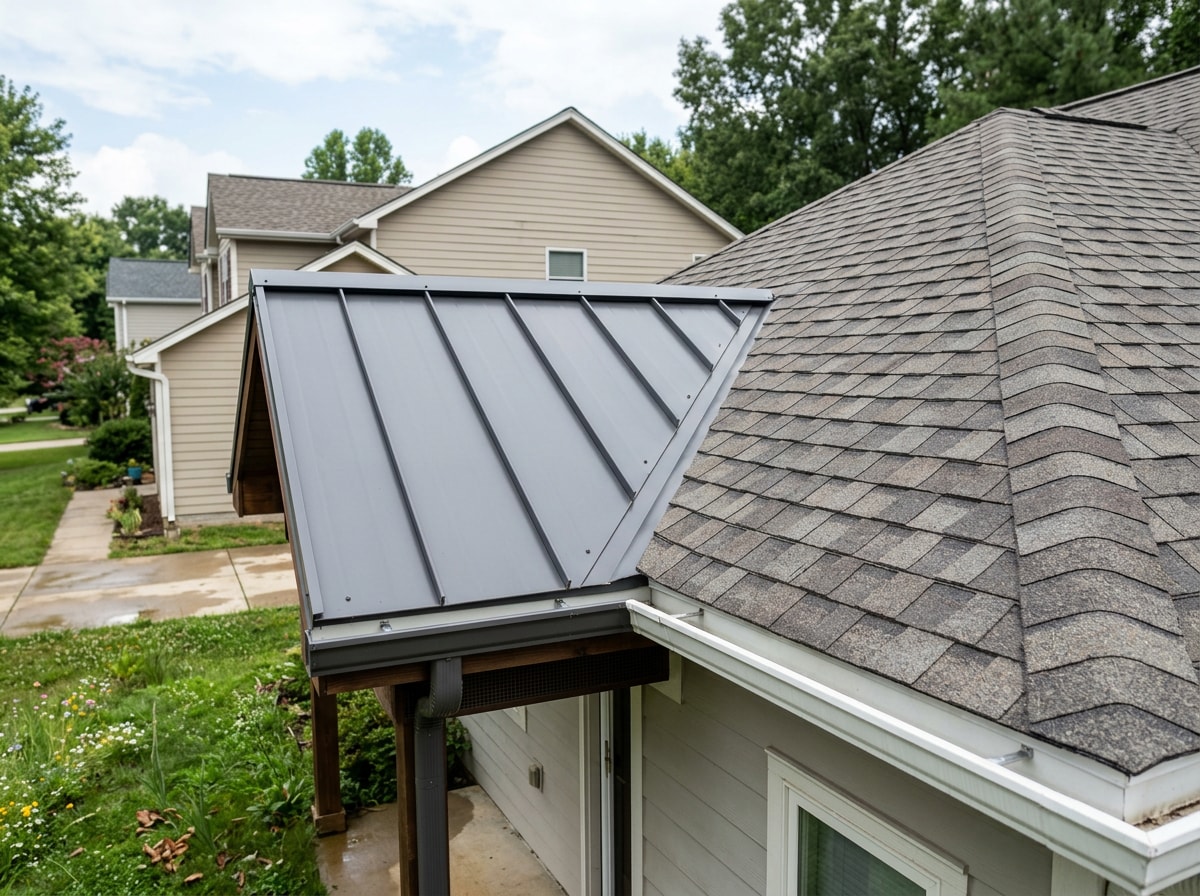
Our crews inspect both roof types across North Texas every week, and the pattern holds: panels rarely fail on their own. If you're weighing materials for an upcoming project, our roofing contractor team can walk you through both options before you commit.
What Causes Roof Leaks? Metal vs. Shingles
Before comparing materials head-to-head, it helps to know that most roof leak causes are shared across roof types. The usual suspects:
- Poor installation or skipped steps
- Damaged or missing fasteners
- Aging flashing and seals
- Storm damage
- Simple wear over time
These account for the overwhelming majority of leaks, regardless of what's on top of the deck.
On metal roofs specifically, leaks tend to start in one of three spots:
- Exposed screws with worn rubber gaskets
- Flashing around valleys, chimneys, and skylights
- Poorly sealed penetrations where vents and pipes pass through the panel
Rarely does the actual metal sheet itself fail.
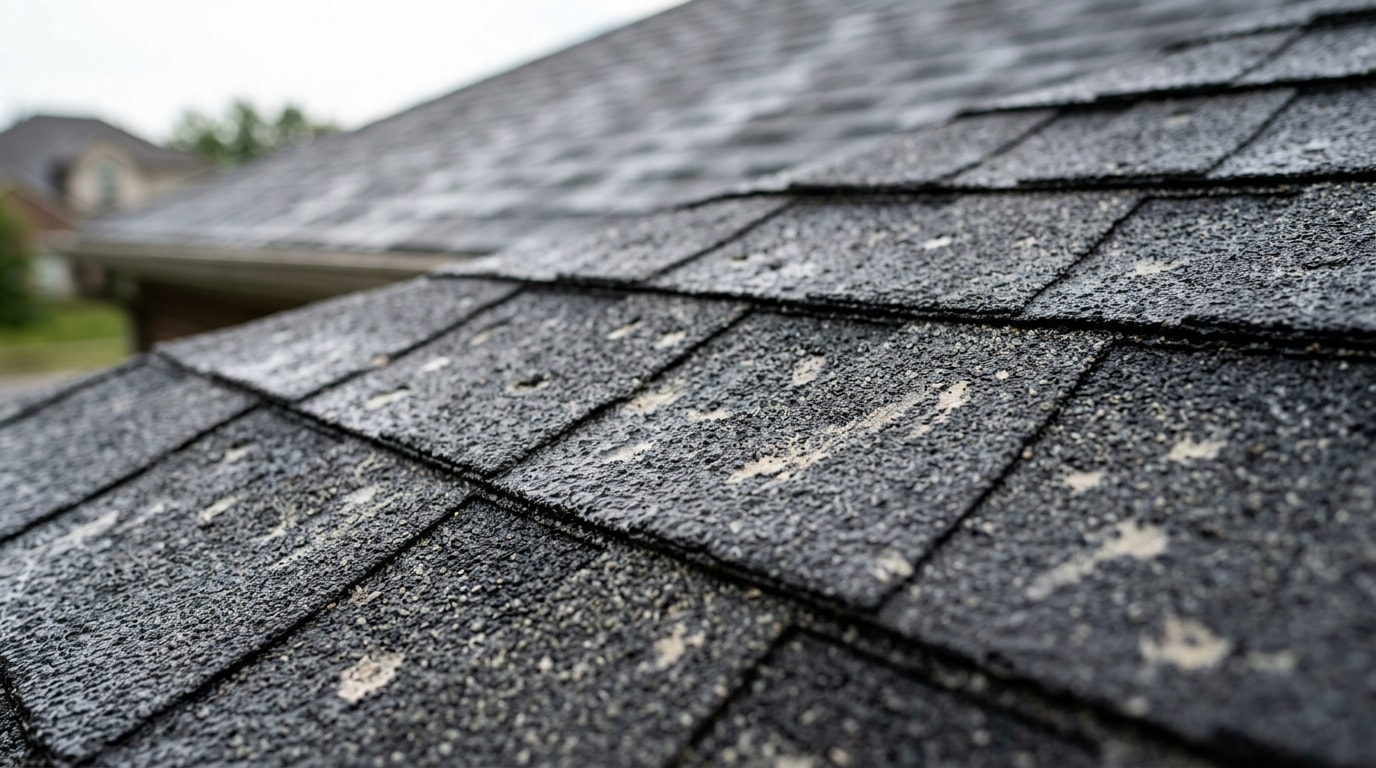
Shingle roofs have their own failure pattern. Granule loss exposes the asphalt mat to UV damage. Tabs curl and crack with age. Nail pops create small gaps that widen every freeze-thaw cycle. Metal's equivalent weak points, washer breakdown and aging seam sealant, are fewer in number but still need attention.
The National Roofing Contractors Association notes that even the best materials can end up on a leaky roof if installation is poor, and good workmanship matters just as much as material selection . If you're noticing early warning signs, a roof inspection can catch most of these issues before they become a ceiling stain.
The Importance of Proper Installation
Contractor skill, not material choice, usually separates a leak-free roof from a problem one. On metal roofs, misaligned panels, overtightened screws, and poorly sealed penetrations cause the vast majority of callbacks, not any inherent flaw in the metal itself.
Shingle roofs carry a parallel risk. Improper nailing patterns, missing or incorrectly lapped underlayment, and skipped step-flashing at wall intersections are common culprits behind early shingle-roof leaks.
Before hiring a roofing contractor for either material, ask three things:
- Are they manufacturer-certified for the specific product line you're installing?
- What warranty covers both materials and workmanship?
- Can they show examples of sealed penetrations and flashing detail from recent jobs?
The contractor's workmanship warranty typically covers installation and related issues, separate from the manufacturer's material warranty . Ask to see both before signing anything. The answers tell you more about future leak risk than the roofing material ever will.
Comparing Leak Risks: Metal vs. Shingle Roofs
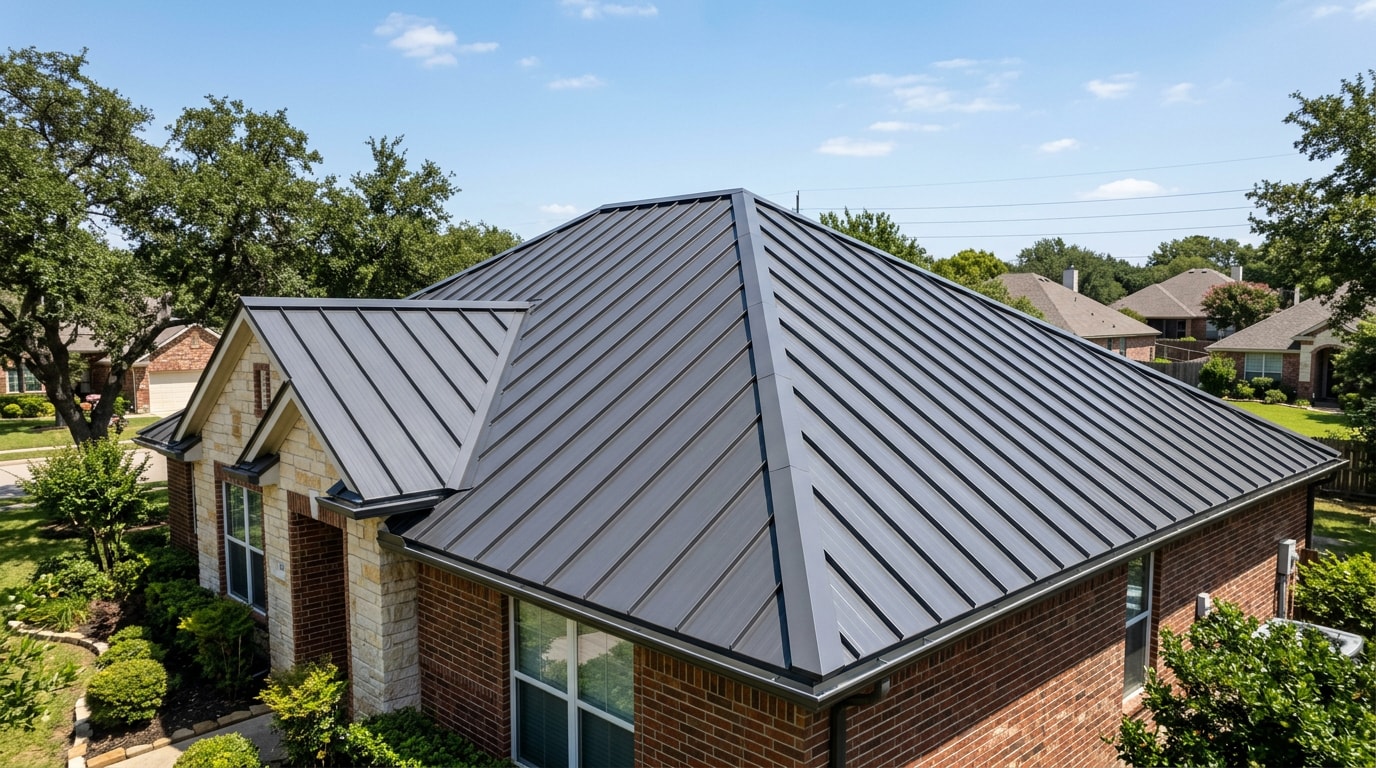
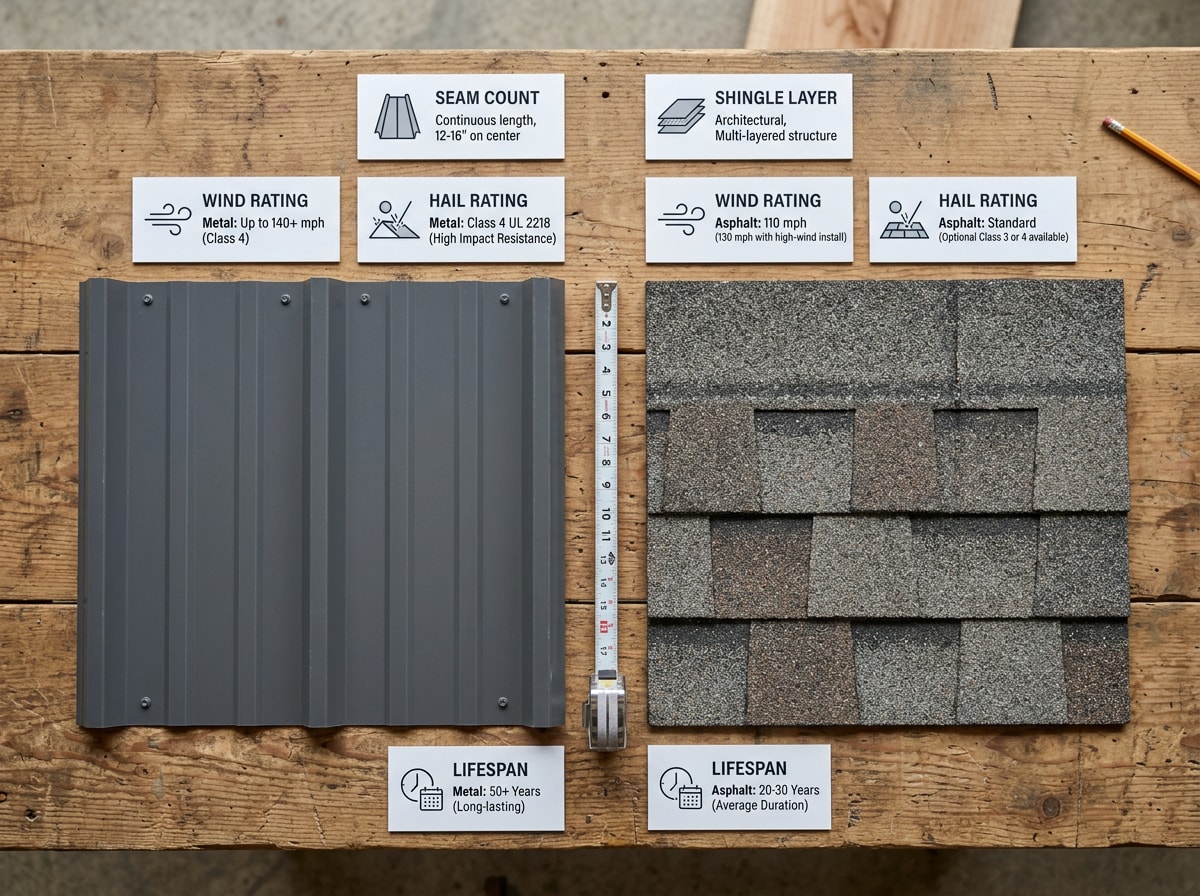
The clearest way to understand leak risk between the two materials is to look at seam count. A standing-seam metal roof has a continuous, interlocked surface with a relative handful of linear seams. A shingle roof, by contrast, is made up of thousands of individual overlapping tabs, each edge a theoretical seam of its own.
Storm behavior tells a similar story. Metal roofs typically dent under hail or wind-driven debris rather than crack open, so the surface stays intact even after a rough storm. Shingles are more prone to cracking, lifting, or going missing entirely, which opens a direct path for water.
Here's how the two compare in general industry terms:
| Factor | Standing Seam Metal | Asphalt Shingles |
|---|---|---|
| Seam structure | Few long, interlocked panel seams | Thousands of overlapping tab edges |
| Typical wind resistance | Often rated 120-140+ mph by manufacturer | 60-130 mph, varies by shingle class |
| Typical hail rating | Commonly Class 4 (UL 2218) | Class 3-4, product-dependent |
| Average lifespan | 40-70 years | 20-30 years |
| Most common leak point | Fasteners, flashing | Granule loss, cracked tabs |
Treat the seam and wind figures as general ranges. They vary by manufacturer, panel profile, and local wind exposure, so confirm specific ratings with your contractor before you choose a product.
One detail most comparison articles skip: the roof deck underneath matters almost as much as what's on top of it. If wind strips off the roof covering, whether shingles, metal panels, or tile, it exposes the deck and lets water pass through the gaps, and for every inch of rain hitting an exposed deck, roughly nine bathtubs of water can pour in. Sealing the seams of the roof deck itself can cut that water intrusion by up to 95% , according to testing from the IBHS FORTIFIED Roof program. That's a bigger leak-risk lever than metal versus shingle alone, and it's one worth asking your contractor about regardless of which material you choose.
Common Myths About Metal Roof Leaks
Much of the belief that metal roofs leak more comes from outdated information, not current evidence. These misconceptions tend to fall into a few categories.
Myth: Metal Roofs Are More Likely to Leak in Rain or Snow
Not accurate for a correctly installed system. Rain performance is actually a strength: the smooth, slick surface prevents pooling, and snow sheds quickly instead of piling up and melting into gaps. Interlocking seams are engineered specifically to keep water moving off the roof rather than pooling at a joint, the opposite of the leak-prone reputation metal sometimes gets.
Myth: You Can't Trust the Seams in Metal Roofing Panels
Modern fastening systems and sealants have closed this gap considerably, often outperforming the overlapping-tab design of asphalt shingles. Standing seam panels take this further by eliminating exposed fasteners altogether; the seams are mechanically folded, so there are no screw heads for washers to fail around. That design choice is a large part of why standing seam is often recommended for leak-sensitive applications like low-slope sections or coastal climates.
Myth: Rust Will Eventually Make a Metal Roof Leak
Most residential metal roofing today is steel or aluminum with a factory-applied protective coating, not bare metal. As long as the coating stays intact (cut edges sealed, scratches touched up), corrosion isn't the leak risk homeowners assume it is. Bare, uncoated metal is a different story, but that's rarely what's installed on homes now.
Lifespan & Durability: Metal vs. Shingles
Lifespan matters for leak risk because older roofing material simply has more wear on it. Asphalt shingles typically last 20-30 years before granule loss and brittleness set in. Metal roofing, with the right coating, commonly lasts 30-70 years, and some premium systems even longer.
Every year a roof stays in service adds more freeze-thaw cycles, UV exposure, and general fastener or sealant fatigue. A roof nearing the end of its expected lifespan is statistically more leak-prone regardless of material. Roofing materials that rely on a protective coating need that coating to stay intact to resist moisture and UV damage over time , which is exactly why reflective, factory-applied metal coatings do double duty: they cut cooling costs and slow the UV breakdown that eventually opens up leak points.
None of this replaces maintenance. Clearing gutters, replacing worn flashing, and fixing loose or broken fasteners keeps either roof type watertight. Material choice extends the maintenance window; it doesn't eliminate the need for it. If your current roof is already past the 20-year mark and showing granule loss or lifted tabs, it may be more cost-effective to plan a roof replacement than to keep patching it. For a closer look at what the upgrade actually costs, see our metal roof vs. shingles cost guide.
FAQ
Do Metal Roofs Leak More Than Shingles?
No. When installed correctly, metal roofs leak less often than shingle roofs because they have fewer seams and shed water more efficiently. Most reported metal roof leaks trace back to installation errors or aging flashing, not the panels themselves.
Is a Metal Roof More Waterproof Than Shingles?
Generally, yes. Metal roofing systems often combine two independent water barriers, concealed fasteners plus a full underlayment layer, giving water two separate obstacles to overcome before it can reach the deck.
Can a Metal Roof Leak in Heavy Rain or Snow?
Rarely, and not because of the rain or snow itself. The smooth surface and interlocking seams actually shed water and snow faster than a shingle field. When a metal roof does leak during a storm, it's almost always tied to a flashing detail or a fastener, not the volume of precipitation.
Do Metal Roofs Start Leaking As They Get Older?
It depends on the metal and fastening system. Aluminum panels resist corrosion well over decades, while exposed-fastener steel systems can develop leak risk sooner as washers and coatings degrade with age and weather exposure.
Will Rust Cause a Metal Roof to Leak?
Only if the protective coating has already failed. Factory-coated steel and aluminum panels are built to resist corrosion for decades. Scratches, cut edges, or coating damage left unsealed are the actual entry points for rust, not the base metal.
Are There Types of Leaks That Are Specific to Metal Roofs?
Yes, a few. Fastener washer failure, unsealed seam laps, and fixings that loosen from repeated thermal expansion and contraction are the leak types unique to metal systems, all preventable with correct installation and periodic checks.
Key Takeaways
Metal roofs generally leak less than shingles when installed properly, and most metal-roof leaks trace back to fasteners or flashing rather than the panels themselves. Shingle roofs are more likely to develop leaks from aging, granule loss, or storm impact over time.
Material matters less than most homeowners assume. Roof leak prevention really comes down to contractor quality, correct flashing details, and routine maintenance on either system.
If you're comparing metal roof vs. shingles for an upcoming project, the next practical step is a professional inspection or quote rather than guesswork. Visit our homepage to see our full range of roofing services, or go straight to the source and get a free estimate for a leak-risk assessment specific to your home.