A Class 4 roof is a roofing system rated with the highest impact-resistance score available under UL 2218 testing, meaning it survives simulated hail strikes without cracking. That single rating can be the difference between a roof that shrugs off a North Texas hailstorm and one that needs a full tear-off afterward. Here's exactly how the test works, what it costs to upgrade, and whether it pencils out for your home.
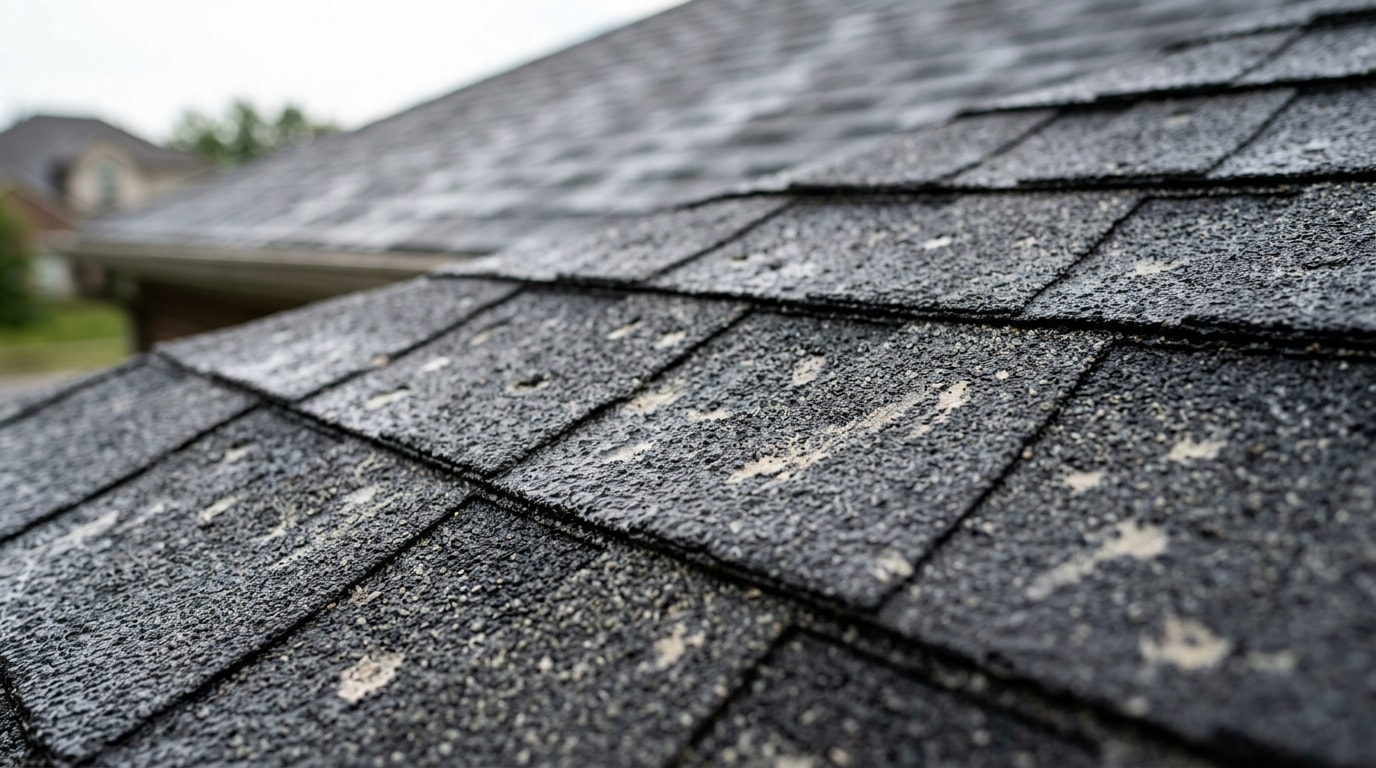
The rating technically applies to the shingle or panel itself, not automatically to your entire installed roofing system, which matters more than most homeowners realize. Our crews at Project Revitalize have inspected storm-damaged roofs across Frisco, McKinney, and Dallas after hail events, and the pattern holds up: homes with Class 3 or Class 4 shingles typically show cosmetic granule loss, while standard three-tab shingles crack and require a full roof replacement.
How Are Class 4 Shingles Tested? (UL 2218 & FM 4473 Explained)
Impact resistance isn't measured by one government standard. It's verified by two independent testing labs, each with its own protocol: UL 2218 and FM 4473.
The UL 2218 Steel Ball Test
A steel ball is dropped from a specified height onto an installed roofing shingle several times, then the shingle is turned over and inspected for any breaks or cracks that could potentially allow water to leak through.
To receive a Class 4 rating, a roofing shingle must withstand having a 2-inch steel ball dropped multiple times from a height of 20 feet.
Products that withstand the impact of a 1.75-inch steel ball dropped from 17 feet receive a UL 2218 Class 3 rating while products that withstand the impact of a 2-inch steel ball dropped from 20 feet receive the highest rating, UL 2218 Class 4. Here's how all four classes stack up side by side, based on the diameters set in the standard: the Class 1 projectile is 1.25 in. in diameter, Class 2 is 1.50 in., Class 3 is 1.75 in., and Class 4 is 2.00 in.
| Class | Ball Diameter | Drop Height | Pass Criteria |
|---|---|---|---|
| Class 1 | 1.25 in | 12 ft | No crack after 2 drops |
| Class 2 | 1.5 in | 15 ft | No crack after 2 drops |
| Class 3 | 1.75 in | 17 ft | No crack after 2 drops |
| Class 4 | 2 in | 20 ft | No crack after 2 drops |
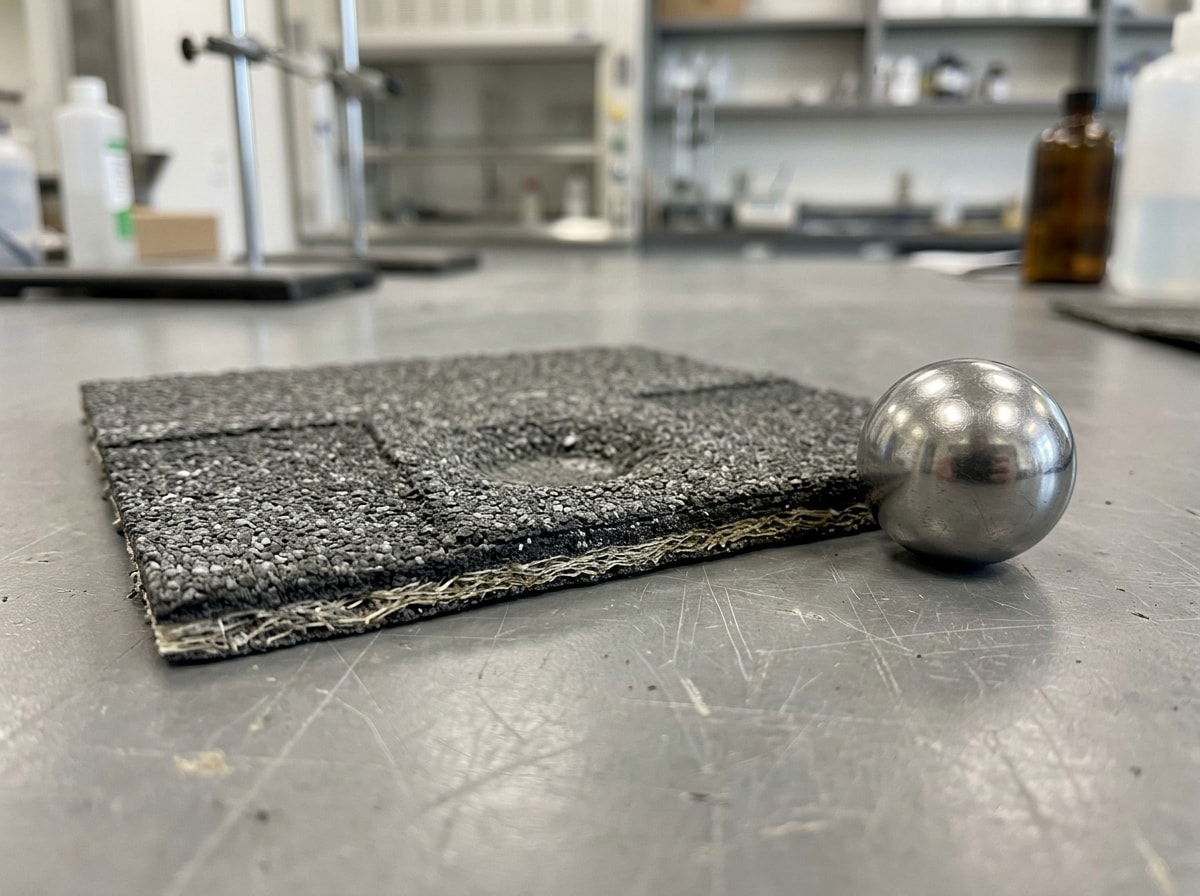
The impact test allows for cosmetic damage, like dents, but not structural damage, like cracks through the shingle. That distinction trips up a lot of homeowners after a storm: a shingle can look scuffed and still pass.
The FM 4473 Ice Ball Test
Roofing shingles labeled as impact-resistant are typically evaluated using one of the standardized industry tests such as UL 2218 and/or FM 4473, and these tests use different methods to evaluate the shingles' performance, with a Class 4 rating being one of the industry's highest for impact. Factory Mutual's version uses ice balls fired from a compressed air cannon instead of dropped steel balls, but the goal is the same: confirming a shingle holds up under hail-force impact.
Class 3 vs. Class 4: What's the Real Difference
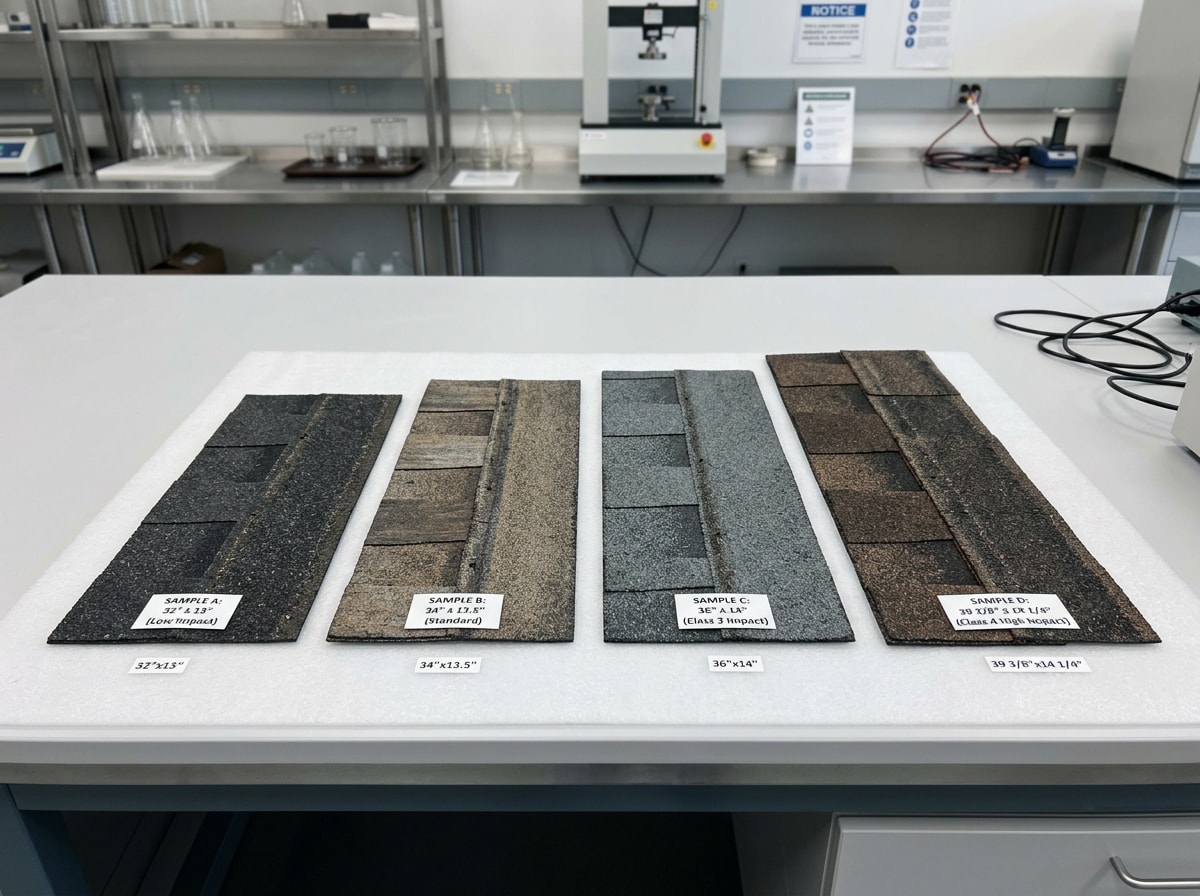
While Class 4 is the highest rating for impact resistance, there are also lower ratings a shingle can receive, such as Class 3 and Class 2, and the difference between the ratings is that Class 3 shingles withstand a smaller steel ball dropped from a lower height. In practice, Class 4 products use thicker reinforcement and more flexible polymers, so they're built to shrug off larger hail before a Class 3 product would crack.
How to Verify Your Roof's Class 4 Rating
Don't take a seller's word for it. If you're not sure what roofing shingles were used on your roof, schedule an inspection with a professional roofing contractor, who can tell you if you have hail-resistant shingles and report on the condition of your current shingles. If you're buying new shingles, Texas has its own paper trail: manufacturers must label products with the proper Underwriter's Laboratories label and the impact resistance classification (Class 1, Class 2, Class 3, or Class 4) of the roofing material under UL Standard 2218. Ask your contractor for that documentation before you sign anything, and consider a professional roof inspection if you're not sure what's currently on your house.
Why Hail Damage Makes Impact Ratings Matter
Hail isn't a rare, minor nuisance. The damaging effects of wind and hail cause between $8 billion and $15 billion in roof-related damage every year in the U.S. and account for almost half of all residential insurance claims. On the claims side, State Farm alone paid $2.9 billion for homeowner hail claims in 2022.
Risk varies by region, but it's far from isolated to a few states, which is part of why insurers increasingly factor roof material into premiums.
Benefits of Class 4 Impact-Resistant Shingles
Three benefits show up again and again once homeowners upgrade:
- Better storm protection against hail and wind-blown debris
- Potential insurance savings on your annual premium
- Longer-lasting shingles with fewer repair calls
Superior Hail & Storm Protection
Impact resistant shingles can offer advanced protection from hail and wind-blown debris. That protection can reduce the frequency of roof repairs, meaning fewer surprise expenses and a longer effective roof lifespan.
Insurance Premium Discounts
Some homeowners insurance may offer premium discounts for homes with Class 4 shingles, though insurance discounts are not guaranteed.
If available, discounts vary by state and insurance company.
Texas homeowners have a real advantage here. Under state rules, to qualify for a discount, roofing materials must be tested for impact resistance at a test laboratory in accordance with a recognized test standard, and materials that have passed the test criteria are classified as either Class 1, 2, 3 or 4, with a Class 4 roof covering receiving the highest premium credit. That said, the amount of discount for each class of roofing material is established by the insurance company on a company-by-company basis , so always confirm the specific number with your carrier before you sign a roofing contract.
Longer Lifespan & Lower Maintenance Costs
The key to a Class 4 rating is often Styrene Butadiene Styrene (SBS), a rubberized polymer that gives a shingle more flexibility and durability, keeping hail and wind-blown rain from fracturing the shingle and causing damage. This resistance to tearing and cracking translates into fewer repairs and lower maintenance costs over the roof's life. Many manufacturers back their premium Class 4 lines with strong warranty coverage; for example, GAF's Lifetime shingles unlock a Lifetime Limited Warranty when installed with qualifying GAF accessories.
What Materials Come in a Class 4 Rating?
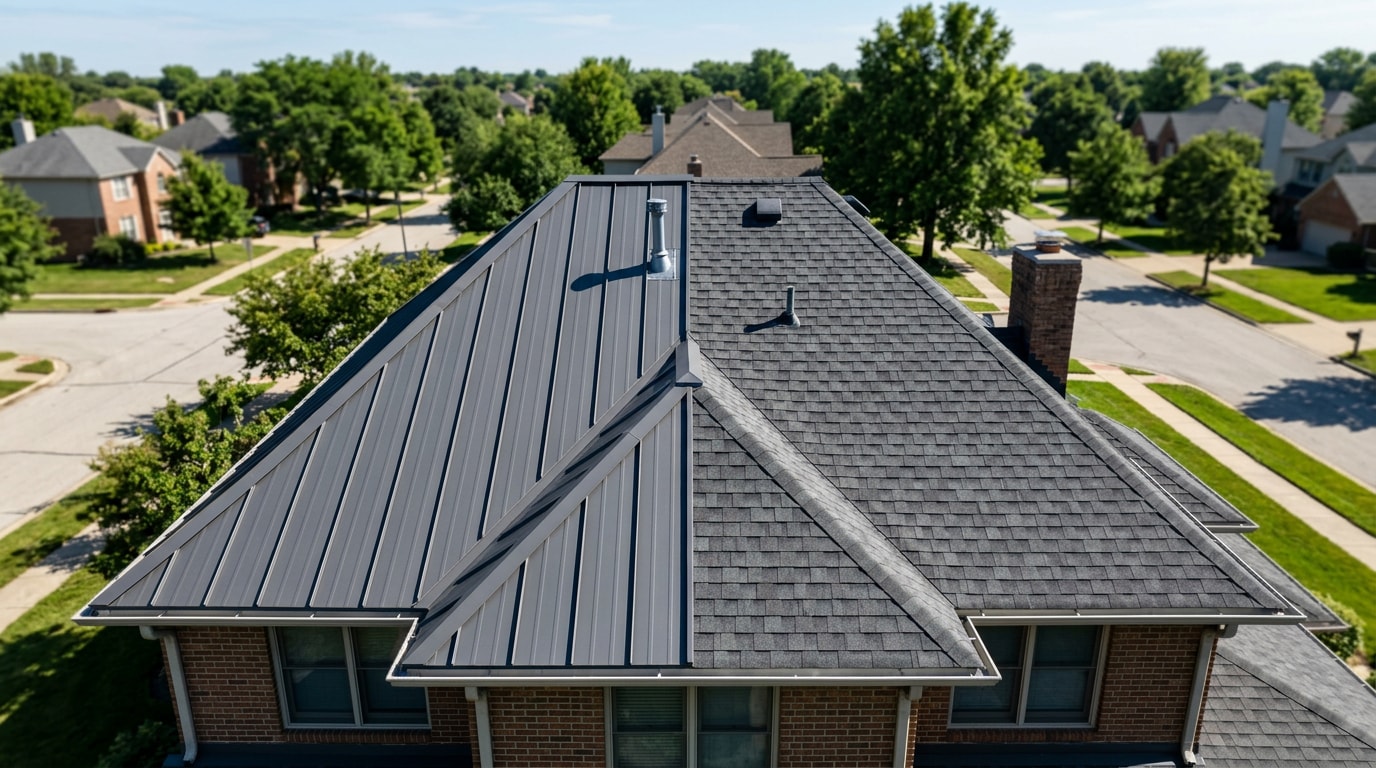
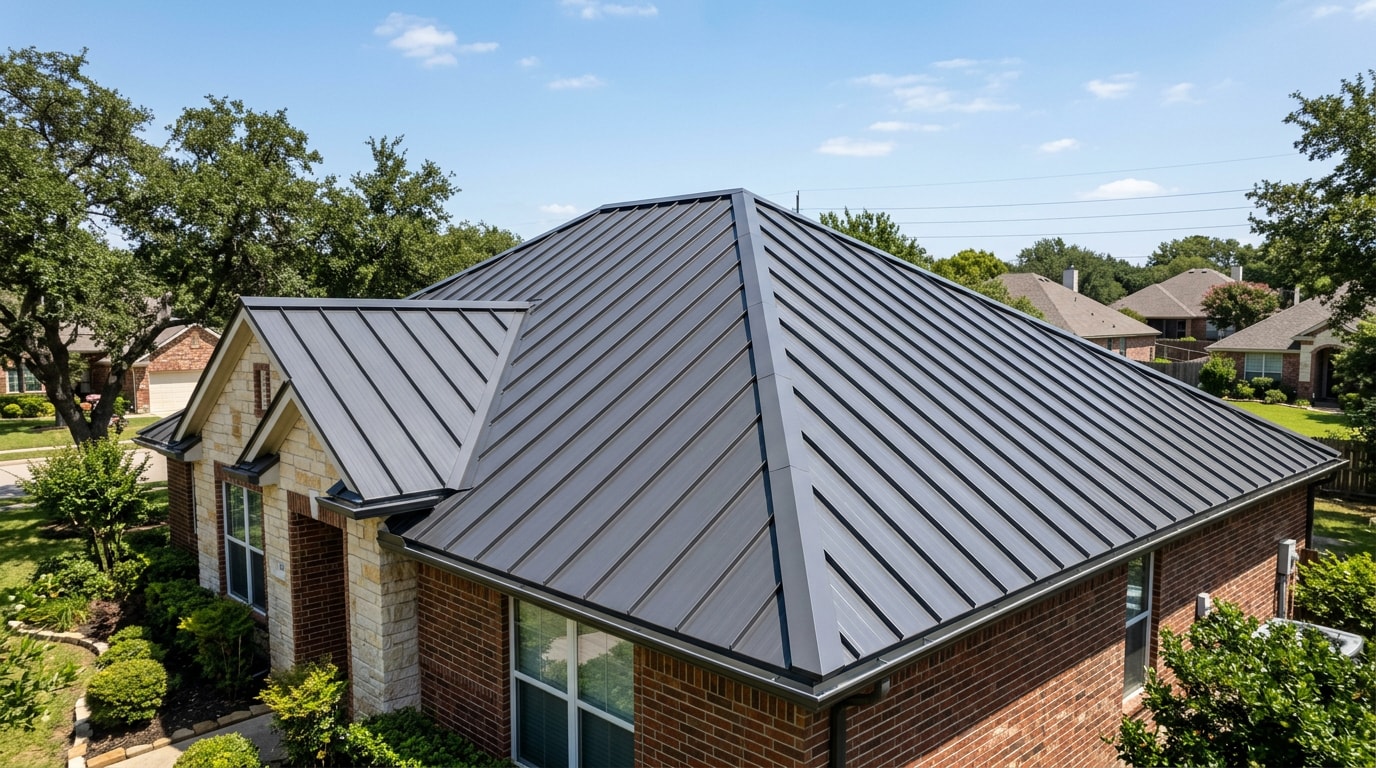
Asphalt shingles aren't the only option. To be considered a Class 4 impact-resistant roof, the roofing surface often must be covered in asphalt shingles or metal panels that have received a Class 4 rating using the UL 2218 or FM 4473 test. Synthetic slate, composite shake, and certain standing-seam metal panels also carry Class 4 ratings. If you're weighing metal against traditional shingles, our guide on whether metal roofing costs more than shingles breaks down the price gap material by material.
Cost & ROI: Are Class 4 Shingles Worth It?
Class 4 roofing shingles are a premium shingle product and may cost more than standard, non-impact resistant shingles. How much more, specifically? Pricing for Class 4 shingles typically runs 20% to 40% more than standard architectural shingles of the same product line, which for a typical 2,000-square-foot home translates to roughly $1,500 to $3,000 more in material costs.
Still, the upfront cost is often outweighed by long-term savings in repairs and possible insurance credits. The payoff tends to be strongest if you:
- Live in a moderate-to-severe hail zone (most of North Texas qualifies)
- Plan to stay in your home for 10 or more years
- Have a carrier that discounts premiums for impact-resistant roofing
If you're weighing whether a Class 4 roof makes sense for your property, a free roofing estimate from our team can give you real numbers for your specific home and climate, whether that means a full roof replacement or a targeted roof repair after storm damage. We work with homeowners throughout Frisco, TX and the surrounding Dallas, TX metro, and can walk you through which class rating fits your budget and risk. For general questions about our roofing contractor services, reach out any time.
FAQ
What's the difference between Class 3 and Class 4 shingles?
Class 4 shingles must withstand a 2-inch steel ball dropped from 20 feet, while Class 3 shingles only need to withstand a 1.75-inch steel ball dropped from 17 feet. Class 4 is the higher, more durable rating.
Are Class 4 shingles worth the investment?
For most homeowners in hail-prone areas, yes. They reduce long-term repair costs, may qualify for insurance discounts, and hold up better through repeated storms than standard shingles.
How long do Class 4 impact-resistant shingles last?
Lifespan depends heavily on the manufacturer and material, but many premium Class 4 lines carry lifetime limited warranties from the manufacturer when installed correctly. A professional inspection every few years is the best way to confirm your specific shingle's condition.
Does a Class 4 roof lower insurance premiums?
In some states and with some carriers, yes, though the discount is never guaranteed and varies by company. Check directly with your insurance agent before assuming a discount applies to your policy.
How do I know if my roof has Class 4 shingles?
Check the shingle wrapper or ask your contractor for the manufacturer's product data sheet, which should list the UL 2218 or FM 4473 class rating. If you're unsure what's currently on your roof, a licensed roofing contractor can inspect it and confirm.
Does Texas require Class 4 shingles?
No, Texas doesn't require homeowners to install Class 4 shingles. But roofing materials installed on structures may be eligible for discounts on insurance once they're classified as Class 1, 2, 3 or 4, and a Class 4 roof covering would receive the highest premium credit.