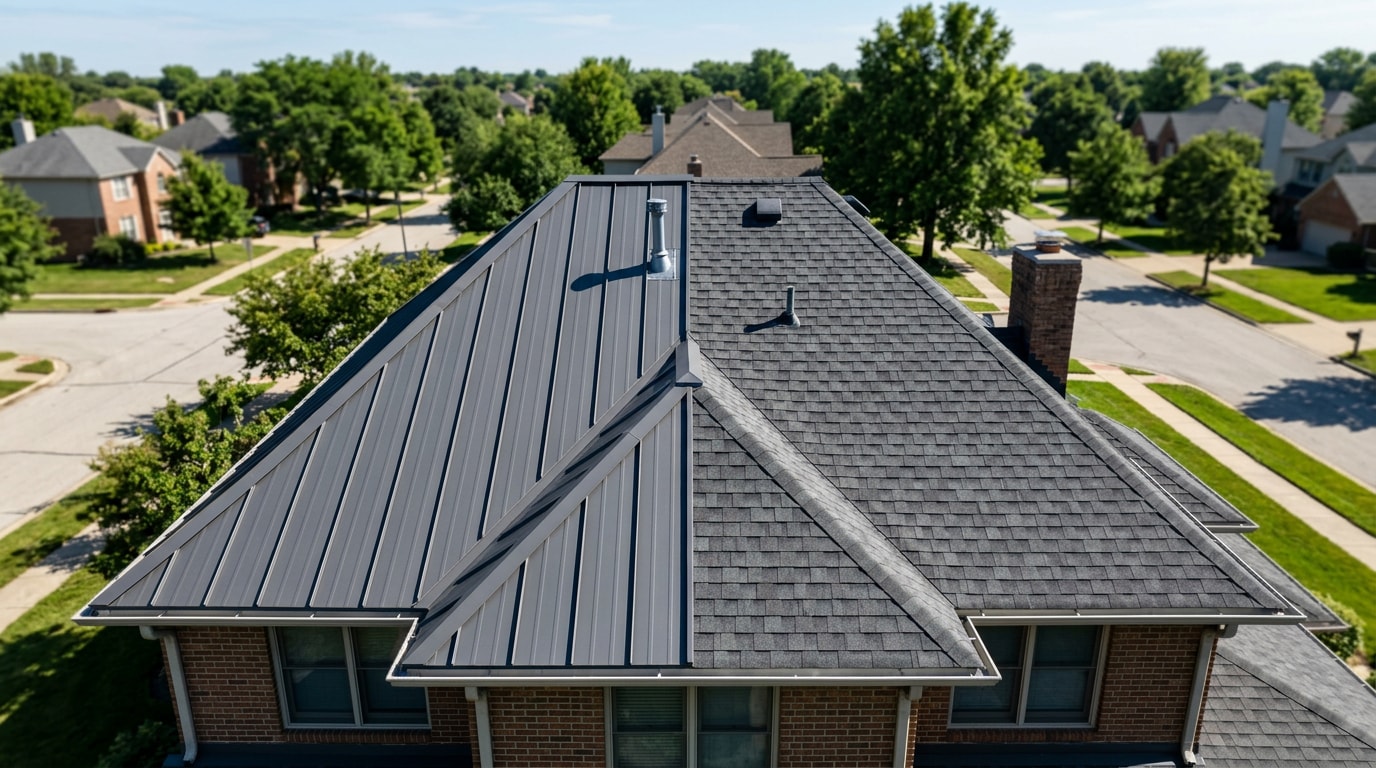
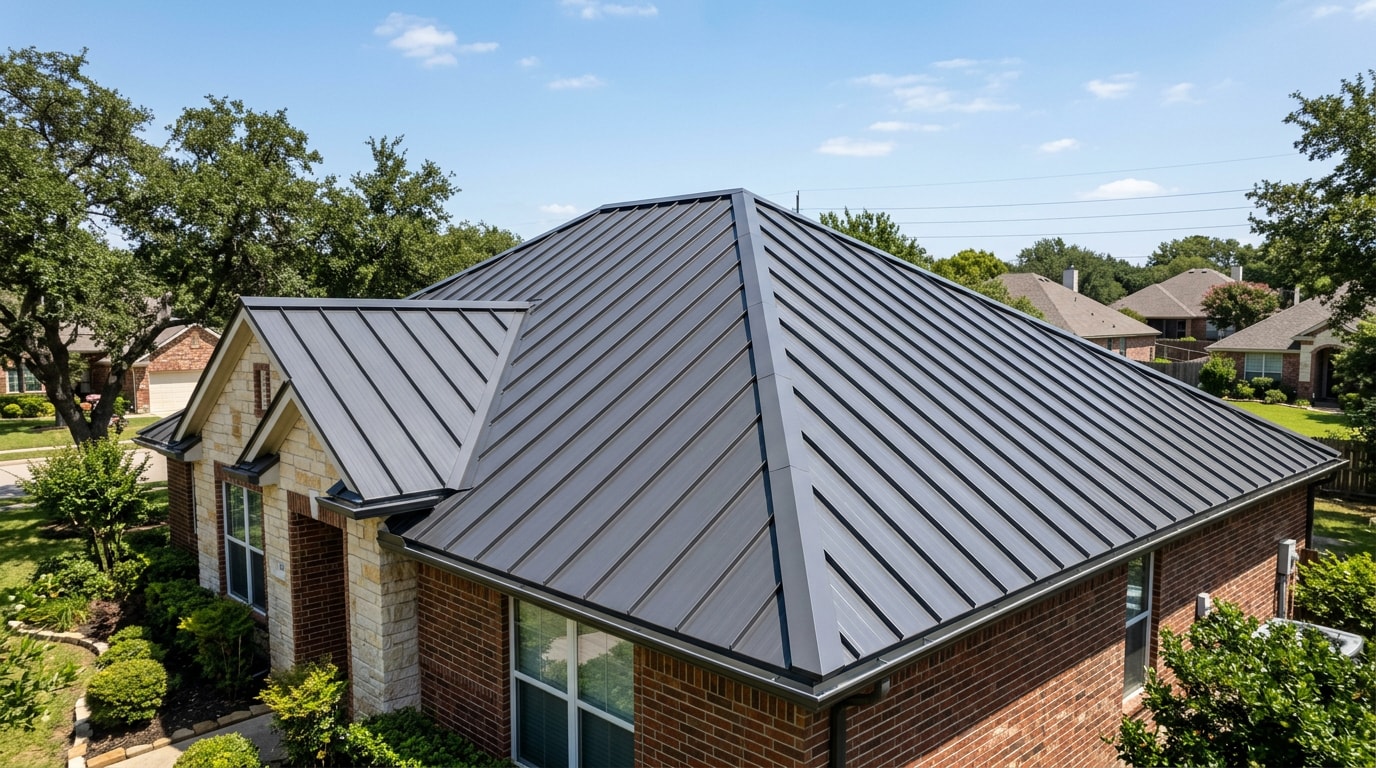
You can put a metal roof over shingles if your roof has one solid, well-adhered layer, a sound deck, and local code allows it. Skipping tear-off saves most homeowners real money on labor and disposal, but the wrong roof turns that shortcut into a moisture problem within a few years. Here's how contractors decide when an overlay is safe, and the exact process they follow once it is.
Can You Put a Metal Roof Over Shingles? Eligibility Check
A roof qualifies for a metal overlay when it meets four conditions:
- Only one existing layer of shingles, flat and free of curling or cupping
- A solid deck underneath, with no rot, soft spots, or daylight visible from the attic
- A structure rated to carry the combined weight of both layers
- No active leaks or visible sagging anywhere on the roof plane
Most homeowners assume added weight is the deal-breaker. It usually isn't. Metal roofing weighs less than one pound per square foot, while asphalt shingles can weigh up to four pounds per square foot depending on the brand. A metal overlay often adds less total load than most homeowners expect, since you're stacking a very light material on top of a heavier one.
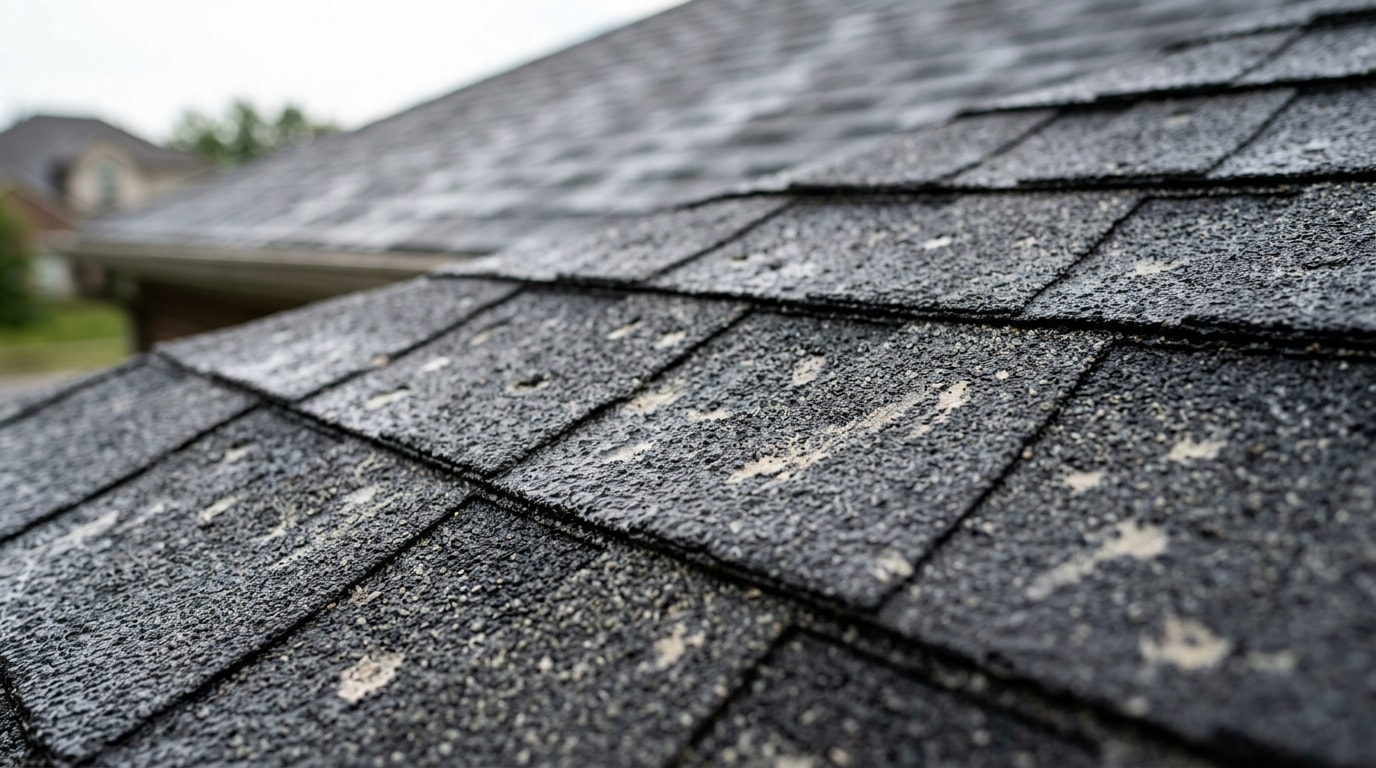
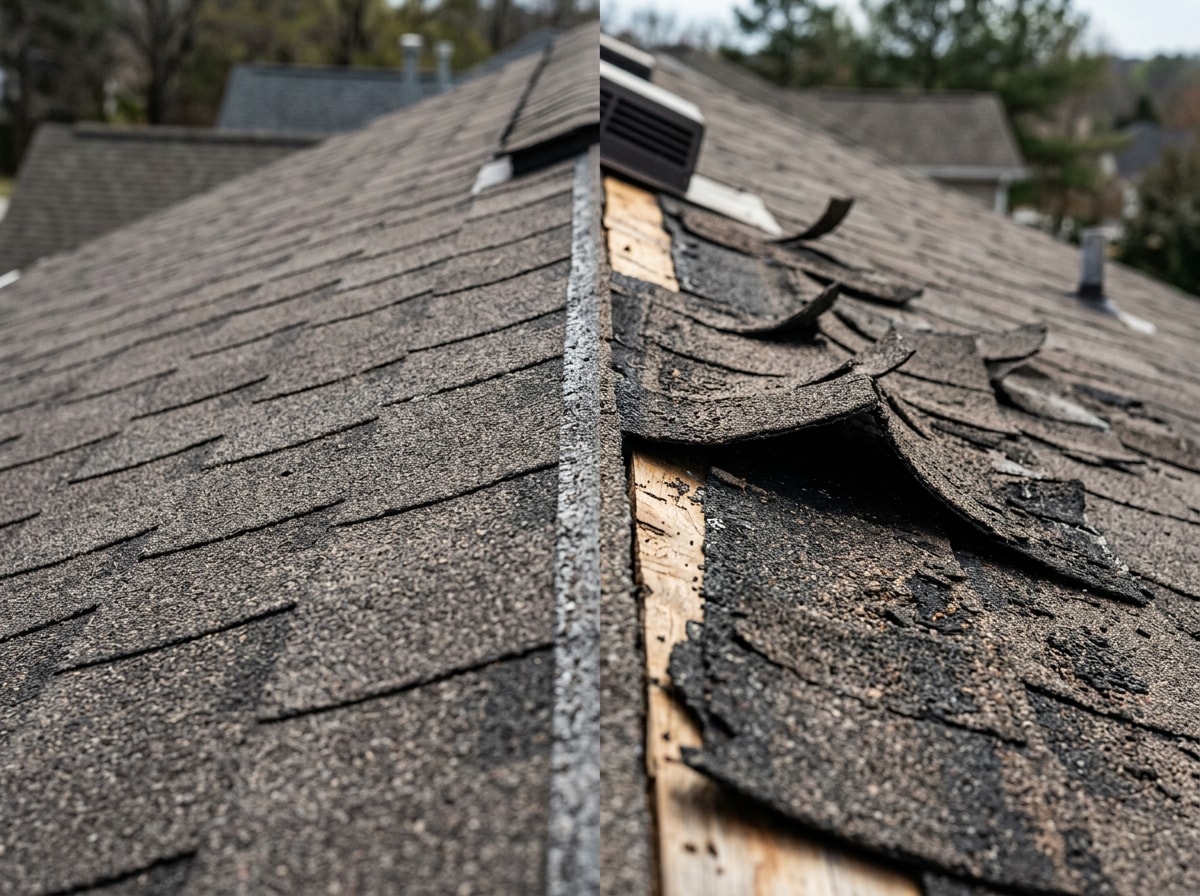
The real disqualifiers are hidden damage and code limits, not tonnage. Curling, cupping, or bald spots create an uneven surface that telegraphs through thin panels later. A soft or water-stained deck won't hold fasteners no matter how many furring strips you add on top of it.
If you're not sure which category your roof falls into, a professional roof inspection settles it before you spend a dollar on materials.
Building Codes and Permits for a Metal Roof-Over
Model residential code caps roofing at two layers total. Once a roof already carries two applications of any covering, adding a third generally isn't permitted, since a roof recover shall not be permitted where the existing roof has two or more applications of any type of roof covering . A single existing shingle layer is the scenario where an overlay is typically allowed, not a guarantee everywhere.
Local building departments can be stricter than the model code, and some restrict or ban overlays outright in high-wind zones, wildfire areas, or historic districts. A permit is standard for this work, and skipping it can create real problems at resale or when an insurance adjuster asks for documentation later.
Call your local building department before you order a single panel. For a closer look at how layer limits and code interact with asphalt-over-asphalt projects, our guide on whether you can shingle over shingles breaks down the same two-layer rule in more detail. If you'd rather have someone confirm your layer count and pull the right permit, get a free estimate and we'll handle both.
Why Homeowners Choose a Metal Roof-Over Instead of Tear-Off
Skipping tear-off means crews aren't spending a full day prying off old shingles, and you avoid paying a dumpster company to haul away debris. Projects also tend to move faster: an overlay typically wraps in one to three days, while a tear-off-and-replace job often runs three to five days once deck repairs and disposal are factored in.
Here's a general side-by-side for a typical 1,800-square-foot roof, based on common regional labor and disposal ranges:
| Approach | Labor Cost Range | Disposal Cost | Typical Timeline |
|---|---|---|---|
| Full tear-off + new roof | $8,000–$14,000 | $500–$1,500 | 3–5 days |
| Metal roof overlay | $6,500–$11,000 | $0 | 1–3 days |
Actual pricing varies by region, roof pitch, and panel choice, so treat these as planning ranges rather than a quote. A licensed roofing contractor can price your specific roof and confirm whether an overlay or full replacement makes more financial sense for your situation.
Step-by-Step: How to Install a Metal Roof Over Shingles
Every reputable crew follows roughly the same sequence, whether they call it five steps or seven. Here's the full flow from first inspection to finished ridge cap.
1. Inspect and Prepare the Existing Shingle Roof
Clear off debris, loose nails, and any raised or broken ridge caps. Check chimneys, vents, and valleys for hidden damage or improper flashing while you're up there.
Repair or replace anything torn, curled, or missing before you cover it. A weak spot buried under new metal doesn't heal itself; it just gets more expensive to reach later. If a section needs more than a patch, a roof repair before the overlay begins is far cheaper than tearing off finished metal panels to fix it after the fact.
2. Install Synthetic Underlayment
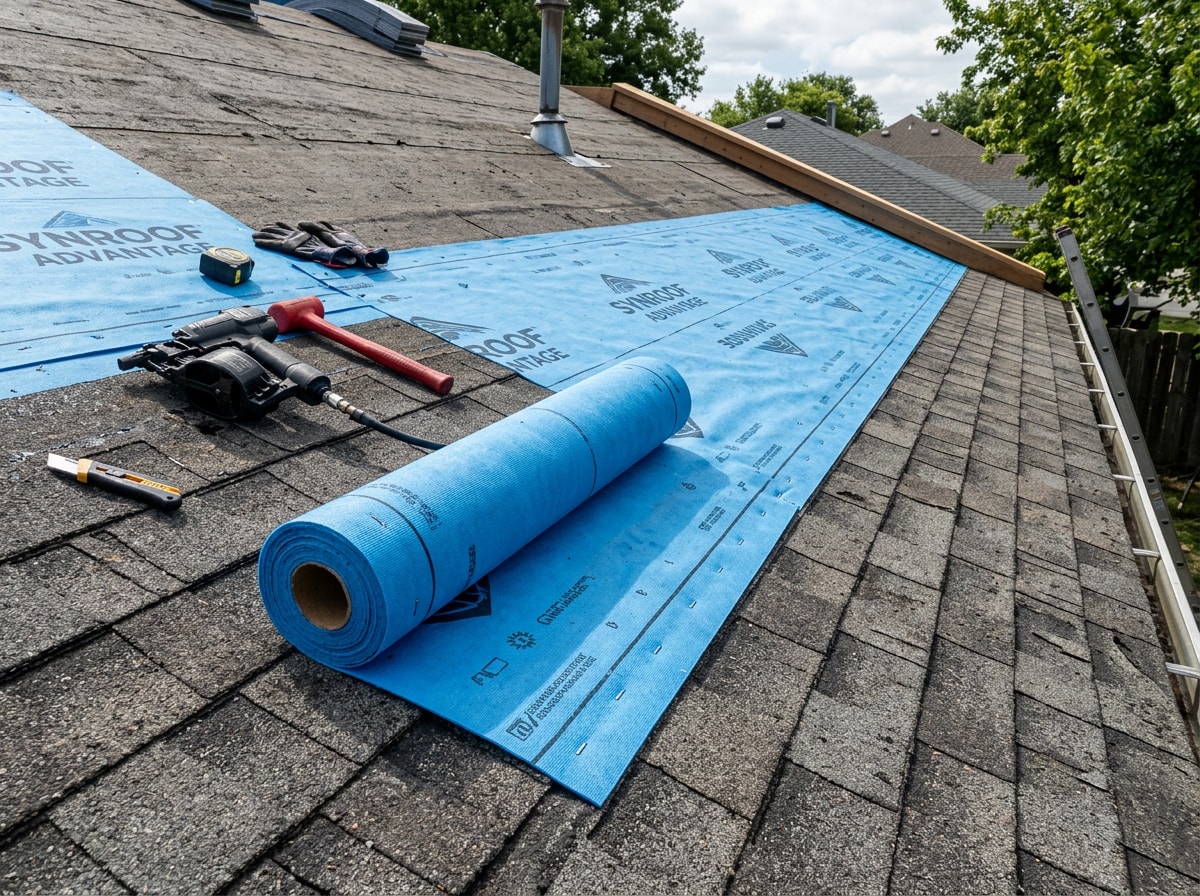
A layer of synthetic underlayment goes down next as a moisture barrier between the old shingles and the new metal. It also cushions the panel backside from loose shingle grit that would otherwise abrade the coating over time.
Roll it out horizontally, starting at the eaves and overlapping each row by several inches, working up toward the ridge.
3. Add Furring Strips (Battens) for Ventilation
Furring strips get fastened horizontally across the roof, spaced about 24 inches apart , to match the panel's fastening pattern. They level out the uneven shingle surface underneath and create an air gap between the old shingles and the new metal.
That air gap does real work. Field testing at Oak Ridge National Laboratory examined metal roof configurations designed to be installed directly over asphalt shingles for retrofit construction, and every tested configuration showed potential for substantial energy savings compared to a standard asphalt shingle roof used as the control. The furring-strip gap is what makes that difference possible; a metal panel screwed flat against shingles with no air space behind it doesn't get the same benefit.
4. Install the Metal Panels
Start at one bottom corner and work across, overlapping each new panel over the last one to shed water downhill. Fasteners need to reach solid wood, not just grip the layers above it, and screws must penetrate the wood deck by at least half an inch to hold properly through underlayment, furring strip, and old shingle layer combined.
Getting the first panel plumb and square matters more than any other single step, since every following panel lines up off it. This is also the stage where fall protection isn't optional. Falls are the leading cause of work-related deaths among residential construction workers, which is exactly why OSHA guidance on residential roofing exists in the first place. DIYers taking on a steep-slope overlay should treat harness and anchor points as non-negotiable, not an afterthought for the "risky parts."
5. Add Flashing and Ridge Caps
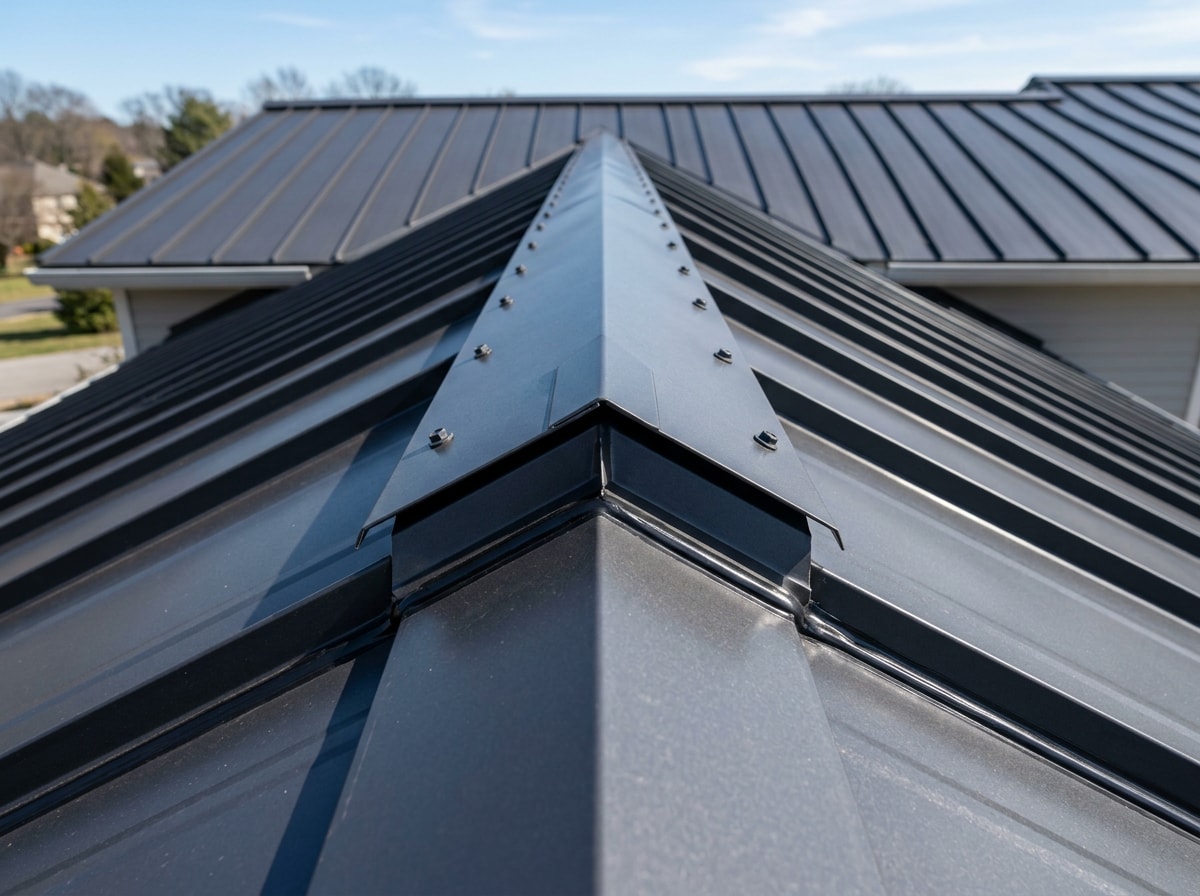
Flashing goes around every roof penetration, chimneys, plumbing vents, skylights, plus valleys and edges, sealing the spots most likely to leak. Ridge caps finish the job, covering the peak where panels from both slopes meet.
Small installation errors here become expensive leaks two or three winters down the road, so it's worth double-checking sealant coverage before calling the project done. If you'd rather have a crew handle the flashing and ridge details, our step-by-step metal roof install guide and free estimate process cover exactly this scope.
Common Challenges With a Metal Roof-Over (and How to Avoid Them)
Oil canning, a rippled or wavy look in the metal, is the most common cosmetic complaint. Asphalt shingles create a ridged, granular surface, and a metal panel screwed flat to that surface picks up every high spot, which shows up as waviness in raking afternoon light that no amount of tightening pulls back out. Thicker panels and properly installed furring strips reduce this, though they don't eliminate it entirely on a rough substrate.
Trapped moisture is the more serious risk. Installing a metal roof over existing shingles without proper ventilation can trap heat and moisture, which can decay the underlying structure over time. This is exactly why the furring-strip and ventilation step isn't a nice-to-have; it's the difference between a roof-over that lasts decades and one that fails early.
Weigh these risks honestly against the savings. A wavy panel or a hidden moisture problem years later can cost more to fix than what the overlay saved upfront.
Maintenance and Longevity Tips
A well-installed metal roof-over needs a light annual check rather than constant attention. Walk the roof, or scan it with binoculars from the ground, once a year and after major storms. Look at fastener heads for backing out, flashing for separation, and sealant joints for cracking.
Expect a properly ventilated metal roof-over to outlast the shingle layer beneath it by decades, with typical service life in the 40-to-60-year range for well-maintained systems. Catching a loose fastener or cracked sealant bead early is a five-minute fix. Left alone, either one can let moisture back into the exact system this whole overlay process was designed to keep out.
If your roof is past the point where an overlay makes sense, a full roof replacement is the safer long-term move, and we can walk you through that comparison honestly rather than push an overlay that won't hold up.
FAQ
Can you put a metal roof over shingles?
Yes, in most cases, as long as there's only one existing shingle layer, the deck is solid, and the structure can handle the added weight. A professional roof inspection confirms whether your specific roof qualifies before you start.
How many layers of shingles can you have before adding a metal roof?
Most model codes cap roofing at two total layers, so a single existing shingle layer typically qualifies for an overlay. Always confirm the exact rule with your local building department before ordering materials, since some jurisdictions are stricter.
Is it cheaper to install a metal roof over shingles than to tear off?
Usually, yes. Skipping tear-off saves on labor and disposal fees, though you'll spend a bit more on furring strips and longer fasteners. Most homeowners still come out ahead compared to a full tear-off and replace.
How long does a metal roof over shingles last?
A properly installed and ventilated metal roof-over can last 40 to 60 years. Ventilation quality, specifically the air gap created by furring strips, is one of the biggest factors in whether a roof hits that range.
Does putting metal over shingles cause oil canning or other damage?
It can. Metal panels screwed flat against an uneven shingle surface tend to show waviness, called oil canning, more than panels installed over a smooth deck. Thicker-gauge panels and proper furring strips reduce this risk but don't eliminate it entirely.
Do you need underlayment and furring strips when installing metal over shingles?
Yes, both matter. Underlayment keeps shingle granules from abrading the panel backside, and furring strips create the air gap that prevents trapped heat and moisture from degrading the layers underneath.
Can you DIY a metal roof over shingles, or do you need a professional?
Small, simple roofs with good access are sometimes DIY-able by experienced homeowners, but code compliance, structural checks, and fall protection make this a project most people hire out. If you want a second opinion on your specific roof, get a free estimate and we'll tell you honestly whether an overlay fits your situation.