The average roof cost nationally falls between $9,000 and $30,000, which is such a wide range it's almost useless on its own. Your real number depends on three things: how big your roof is, what material you choose, and who's doing the labor. Below is how to turn that national range into a realistic number for your own house, and how to tell when a contractor's quote is fair or padded.
What's the Average Cost of a New Roof in 2026?
I'm Derek Holloway, lead roofing estimator at Project Revitalize, and after pricing hundreds of replacements across Dallas-Fort Worth, I can tell you the fastest way to make sense of the published "averages" is to stop comparing dollar figures and start comparing what's included.
Most homeowners land closer to $11,000–$15,000 for a standard asphalt shingle roof on a mid-size home. Larger homes, premium materials, or steep rooflines push that figure much higher, sometimes well past $30,000.
That spread is wide because published "averages" aren't measuring the same thing. Survey-based sources like This Old House report figures closer to $29,909 for a 2,000-square-foot roof, a number skewed upward by respondents who chose premium materials or full-service contractors. Contractor-quote databases like HomeAdvisor land closer to $9,609 because they're weighted toward the most commonly installed option: standard asphalt shingles. Forbes Home splits the difference at roughly $11,500 for an average-sized home.
None of these figures is wrong. They're just built from different inputs:
- Survey-based averages skew higher because they capture every material tier homeowners actually chose, including upgrades.
- Contractor-quote databases skew lower because they're weighted toward the most common install: standard asphalt.
- Assumed roof size varies by source, which alone can swing the total by thousands of dollars.
Treat any single "average roof cost" number as a starting point, not a quote. The breakdown below shows where your specific project is likely to fall.
Curious what your project would run? Our roofing contractor team prices every job by actual measurements, not averages.
What Affects the Cost of a New Roof?
Four variables explain most of the price gap between a cheap roof and an expensive one: material, size, labor, and job complexity.
Material is usually the biggest lever. Asphalt shingles sit at the budget end, while metal, clay tile, and slate cost several times more per square foot. Size compounds whatever material you pick, since cost scales almost linearly with square footage. Labor, tear-off, permits, and any structural repairs layer on top of that.
Roof Size
A roof's cost scales with its surface area, measured in roofing squares, where one square equals 100 square feet of roof surface. Most homes need 15 to 30+ squares depending on footprint and pitch.
| Home Footprint | Est. Roof Size | Roofing Squares | Typical Cost Range |
|---|---|---|---|
| 1,000 sq ft | ~1,150 sq ft | 11.5 | $4,600–$11,500 |
| 1,500 sq ft | ~1,725 sq ft | 17.25 | $6,900–$17,250 |
| 2,000 sq ft | ~2,300 sq ft | 23 | $9,200–$23,000 |
| 2,500 sq ft | ~2,875 sq ft | 28.75 | $11,500–$28,750 |
| 3,000+ sq ft | ~3,450+ sq ft | 34.5+ | $13,800–$34,500+ |
Notice that roof size isn't the same as home square footage. Roof surface typically runs about 1.1 to 1.2 times a home's footprint once you account for pitch and overhangs. That's why a 2,000-square-foot house often needs closer to 2,300 square feet of actual roofing material.
Want an exact number instead of a range? A professional roof inspection measures your actual roof area before you request quotes, so you're comparing bids on the same square footage.
Labor Costs
Labor is usually the largest single line item on a roofing invoice, though exactly how large varies by source. Some industry benchmarks put labor at roughly 40–65% of total project cost, depending on region and crew size.
Roofer hourly rates generally run $45 to $75 per hour per worker, though most crews price by the square rather than the hour. Complex rooflines, steep pitches, and multiple stories all add labor time, and therefore cost, independent of the materials used.
Because labor estimates genuinely differ between sources, treat any single labor percentage as a rough guide rather than a fixed rule when evaluating your own quote.
Additional Cost Factors to Budget For
Beyond material and labor, a few add-ons catch homeowners off guard:
- Tear-off and disposal of the old roof typically adds $1,500 to $4,500, since old shingles and underlayment have to be hauled away and dumped.
- Permits are near-universal for a full roof replacement. The International Code Council's reroofing requirements explain why most jurisdictions require full tear-off to the deck rather than layering new shingles over old ones.
- Structural repairs add $500 to $2,000 per section if your roof deck has rot or water damage underneath the shingles. A reputable contractor should flag this possibility before tear-off begins, not after.
New Roof Cost by Material
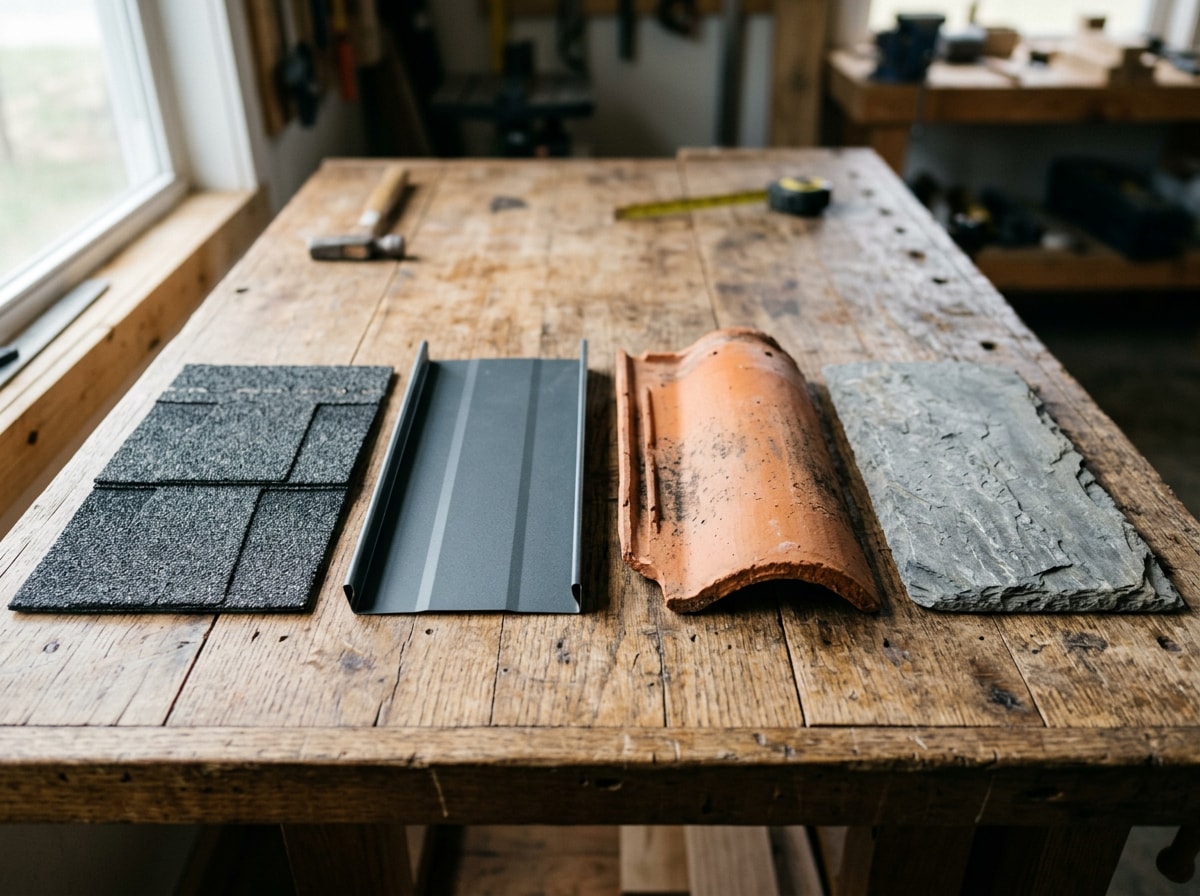
Material choice is the single biggest factor in what you'll pay, and the range is dramatic, from budget asphalt to premium slate. The table below includes a cost-per-year-of-lifespan column most single-source guides skip, which matters more than the sticker price if you plan to stay in the home long-term.
| Material | Cost per Sq Ft | Total Cost (2,000 sq ft roof) | Typical Lifespan | Approx. Cost per Year |
|---|---|---|---|---|
| Asphalt shingles | $5.16 | $10,319 | 30–35 years | ~$318/year |
| Architectural shingles | ~$6.50 | ~$13,000 | 30–50 years | ~$325/year |
| Metal | ~$10–$14 | ~$24,000 | 40–70 years | ~$436/year |
| Wood shake | ~$9–$14 | ~$22,000 | 20–40 years | ~$733/year |
| Clay tile | $22.21 | $44,423 | 50–100 years | ~$592/year |
| Slate | ~$16–$30 | ~$46,000 | 75–150 years | ~$409/year |
Asphalt shingles remain the most popular choice because they balance low upfront cost with a respectable 30-plus-year lifespan. Clay tile sits at the opposite extreme, but its multi-generational lifespan means the annualized cost isn't as far off from cheaper materials as the sticker price suggests.
Metal roofing lands in the middle on upfront price but offers one of the better cost-per-year ratios here, which explains its growing popularity among homeowners planning to stay put. For general lifespan and warranty guidance behind figures like these, the National Roofing Contractors Association's resource library is a solid, vendor-neutral reference.
One regional note: if you're in Dallas-Fort Worth, your number probably skews above the national median even before you touch premium materials. Frequent hail activity pushes many homeowners toward Class 4 impact-resistant shingles, which cost more upfront but can qualify for an insurance discount over time. We cover the tradeoffs in detail in What Is a Class 4 Roof? if you're weighing that upgrade. Homeowners in Frisco and Dallas should factor local wind and hail codes into their budget before comparing a quote to a national average.
Roofing Cost Per Square Foot
Per-square-foot pricing is how most contractors actually structure their quotes, separate from flat per-size totals. Installing a new roof typically costs $4 to $40 per square foot installed, averaging around $7 per square foot, which works out to roughly $400 to $4,000 per roofing square.
That enormous range reflects the material spread covered above. Basic asphalt sits near the low end, while slate and clay tile occupy the high end. When you get a quote, ask your contractor to break out price per square foot and per square separately. It's the fastest way to spot whether you're being quoted a fair market rate or an inflated one for your chosen material.
Full vs. Partial Roof Replacement
Not every roofing issue requires a full tear-off. If damage is isolated, say a storm hit one slope, a partial replacement can often resolve it for a fraction of full replacement cost, typically 20–50% of a whole-roof price depending on the section's size.
Full replacement becomes necessary when:
- The roof is aging broadly across multiple slopes.
- Shingles in several areas are failing, not just one section.
- The original material is discontinued, so a partial repair won't match.
Insurance adjusters and contractors generally recommend full replacement once more than 30% of the roof surface needs attention, since patchwork repairs rarely match in appearance or performance long-term. A roof repair evaluation can confirm whether a partial fix is realistic before you commit to either path.
Roof Repair vs. Replacement Cost
Roof repairs cost far less than replacement. National averages run $379 to $1,763, with a typical repair landing around $1,064, well under even the lowest full-replacement estimates.
A common industry rule of thumb is the "50% rule": if a repair quote exceeds roughly half of what full replacement would cost, replacement is usually the smarter long-term investment. This matters most for roofs already past 15–20 years old, where one repair today often just delays the next one.
Weigh repair cost against your roof's age, remaining lifespan, and how many prior repairs it's already had. A contractor who's transparent about both options, not just pushing replacement, is generally a good sign.
Signs You Need a New Roof
A handful of warning signs typically mean replacement, not repair, is the right call:
- The roof is over 20 years old.
- Shingles are curling or missing in multiple spots.
- Heavy granule loss shows up in the gutters.
- There's visible sagging along the roofline.
- Interior water stains have appeared on ceilings.
- Daylight is visible through the attic boards.
Any one of these alone might point to a simple repair. Several appearing together usually signals the roofing system as a whole is failing, not just one section of it.
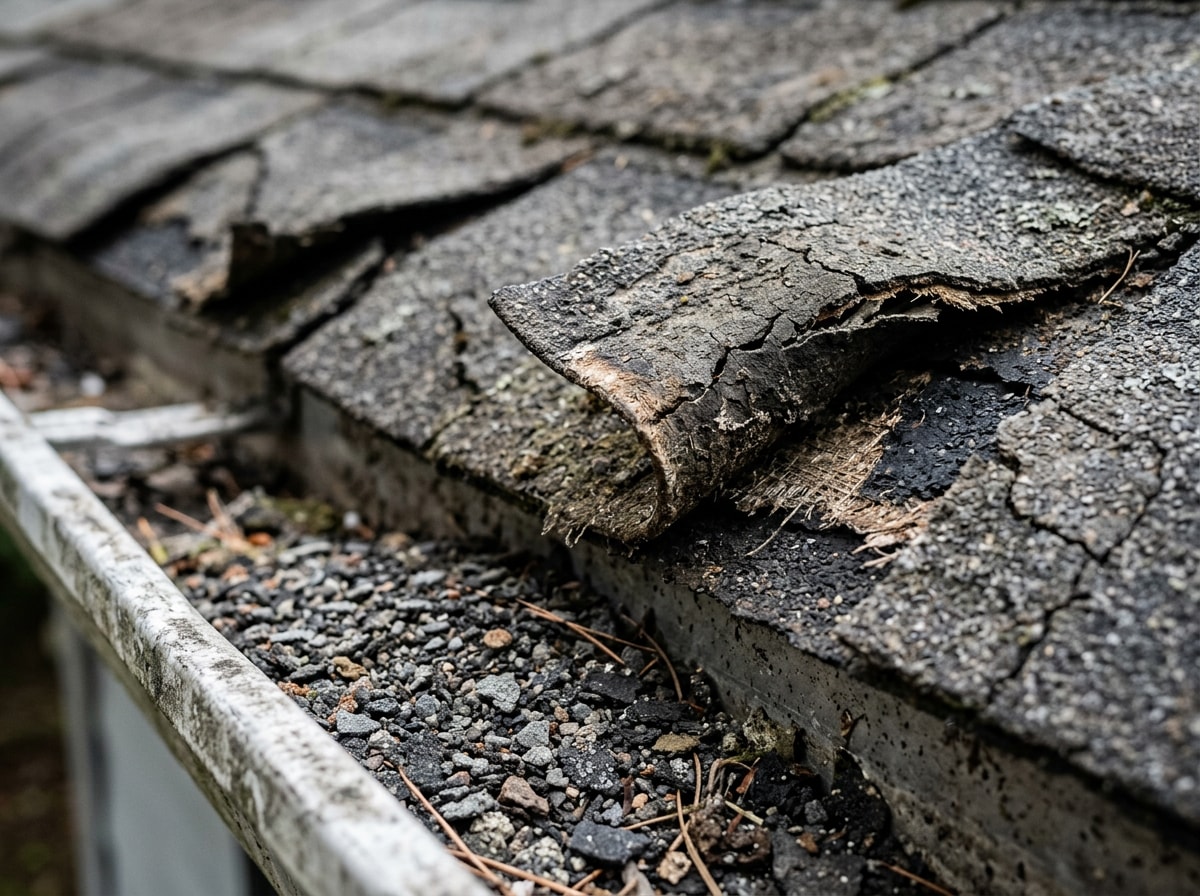
If you're seeing two or more of these signs, schedule a roof inspection before deciding between a repair and a full replacement.
DIY Roof Replacement vs. Hiring a Professional
Skipping labor can look appealing on paper, since labor represents a majority share of most quotes. But that "savings" comes with tradeoffs most homeowners underestimate.
Roofing is one of the more dangerous home improvement jobs, and most manufacturer warranties require professional installation to stay valid. Building codes in most areas also require permitted work and inspection, which DIY installs frequently skip. OSHA's re-roofing safety guidance outlines just how serious fall hazards are during tear-off and re-cover work, which is a major reason most homeowners ultimately hire a licensed crew rather than attempt a full tear-off themselves.
If you're ready to compare real quotes instead of guessing, get a free estimate from our team, or start by browsing roof replacement options for your home. You can also see how we approach pricing and project scope on our homepage.
FAQ
How much does a new roof cost per square foot?
A new roof typically costs $4 to $40 per square foot installed, including labor and materials, with most homeowners paying around $7 per square foot on average. Price per square foot varies mainly by material, with asphalt near the low end and slate or clay tile near the top.
How much does it cost to replace a 2,000-square-foot roof?
A 2,000-square-foot home typically needs about 2,300 square feet of actual roofing material, costing roughly $9,200 to $23,000 with standard asphalt shingles. Premium materials like metal, clay tile, or slate can push that total well above $40,000.
Is a metal roof cheaper than asphalt shingles?
No, metal roofing costs more upfront than asphalt. Metal typically runs $10 to $14 per square foot installed, compared to roughly $5 to $6.50 per square foot for asphalt, though metal's 40-to-70-year lifespan can make it a better long-term value.
Is $25,000 too much for a new roof?
It depends on your home's size and chosen material. For a large home or premium materials like metal, tile, or slate, $25,000 is reasonable or even below average. For a standard-size home with basic asphalt shingles, that price is on the high end and worth comparing against other quotes.
How much does it cost to repair a roof instead of replacing it?
Most roof repairs cost between $379 and $1,763, with a typical repair around $1,064. If a repair quote comes in at more than half the cost of a full replacement, replacement is usually the better long-term investment, especially on a roof already past 15–20 years old.
How long does a new roof last?
Lifespan depends heavily on material. Standard asphalt shingles typically last 20–30 years, metal roofing 40–70 years, clay tile 50–100 years, and slate 75–150 years. Climate, ventilation, and maintenance all affect where your roof falls within that range.
Why do roof cost estimates vary so much between websites?
Published averages come from different data sources. Homeowner surveys tend to skew higher because they capture every material tier people actually chose, including upgrades. Contractor-quote databases skew lower because they're weighted toward the most commonly installed material, standard asphalt shingles.